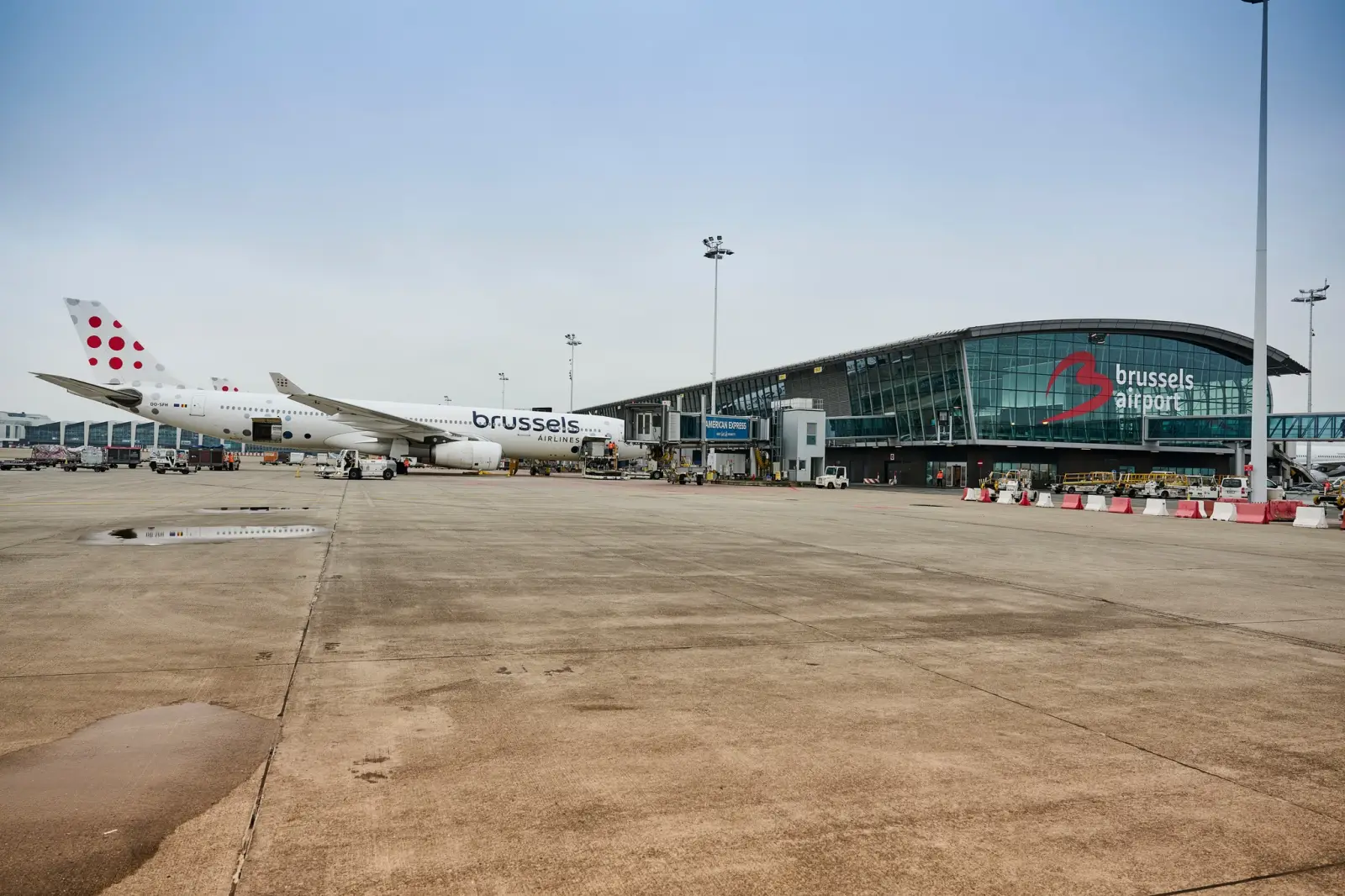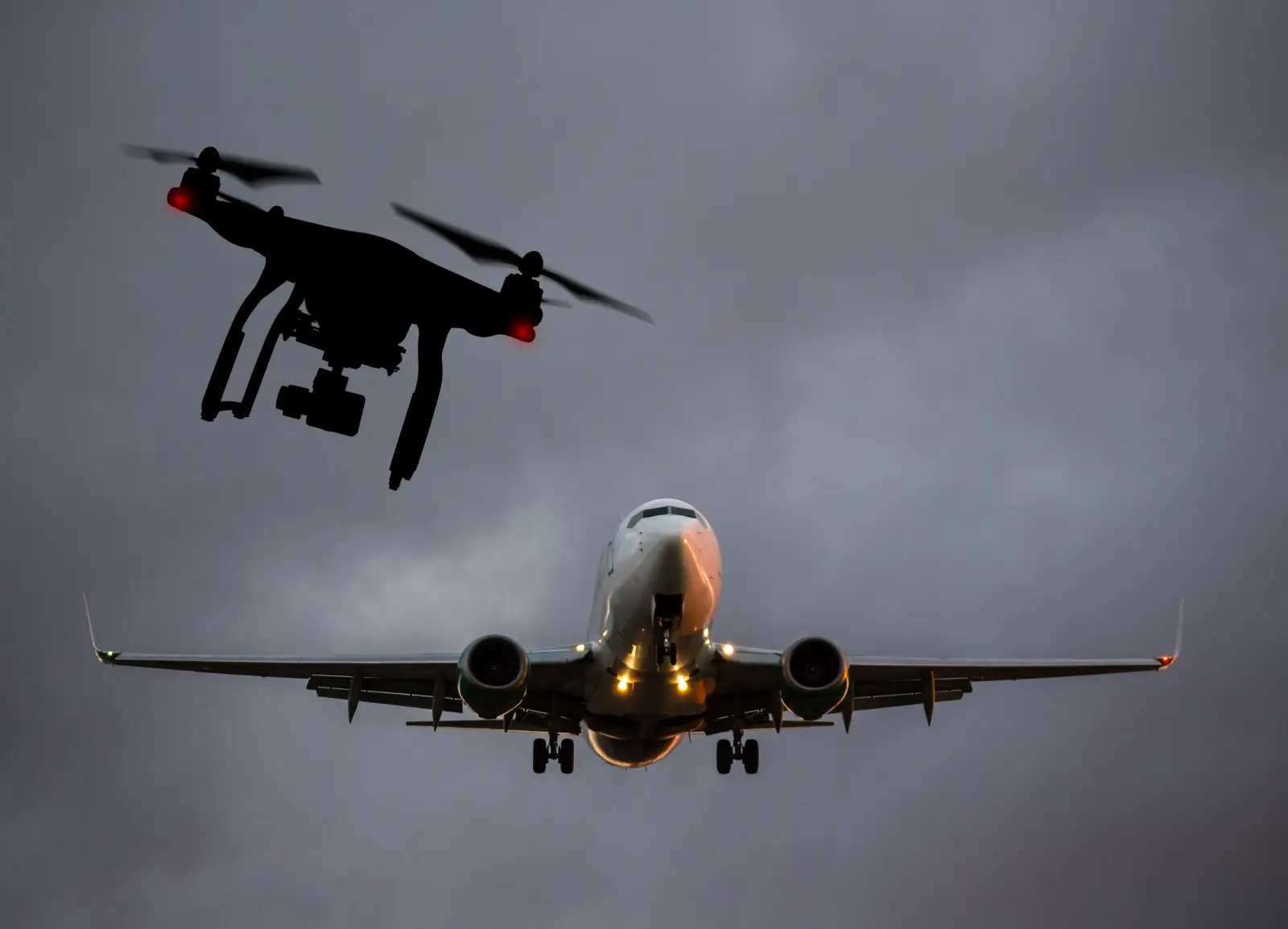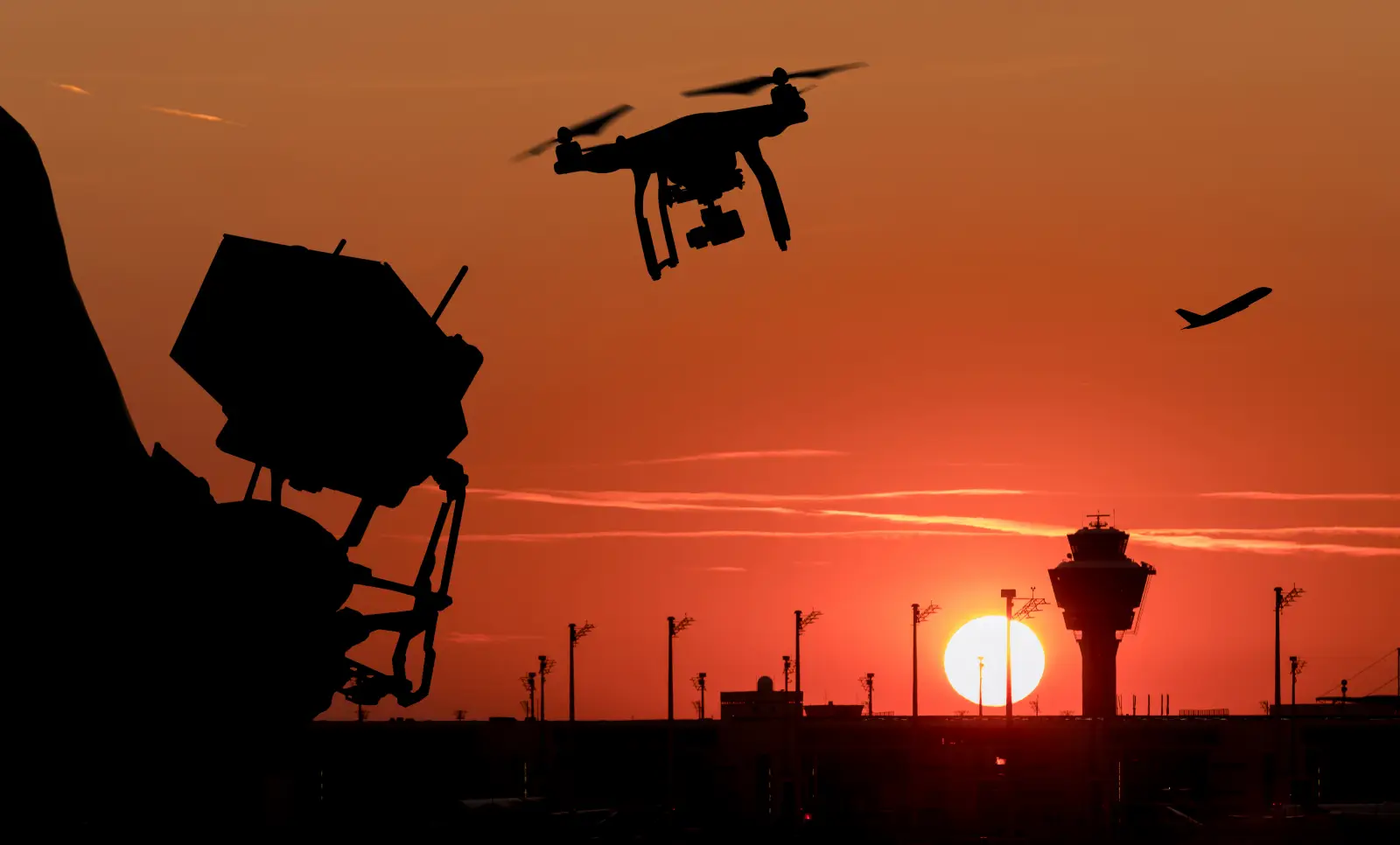
Drone sightings near Brussels-Zaventem Airport caused widespread disruption late on Monday, forcing the cancellation of around 80 flights and stranding hundreds of passengers overnight. Belgian authorities temporarily closed the country’s main airport for several hours while security agencies investigated what they described as a “coordinated” drone incursion.
The airspace around the airport was shut down after multiple drones were spotted near the runway area around 8 p.m. local time on 4 November. Flights were diverted to other European airports, including Amsterdam Schiphol and Paris Charles de Gaulle, while departing aircraft were grounded as a precaution. Operations gradually resumed early Tuesday morning following a security sweep by police and air traffic control teams.
Authorities probe coordinated drone activity
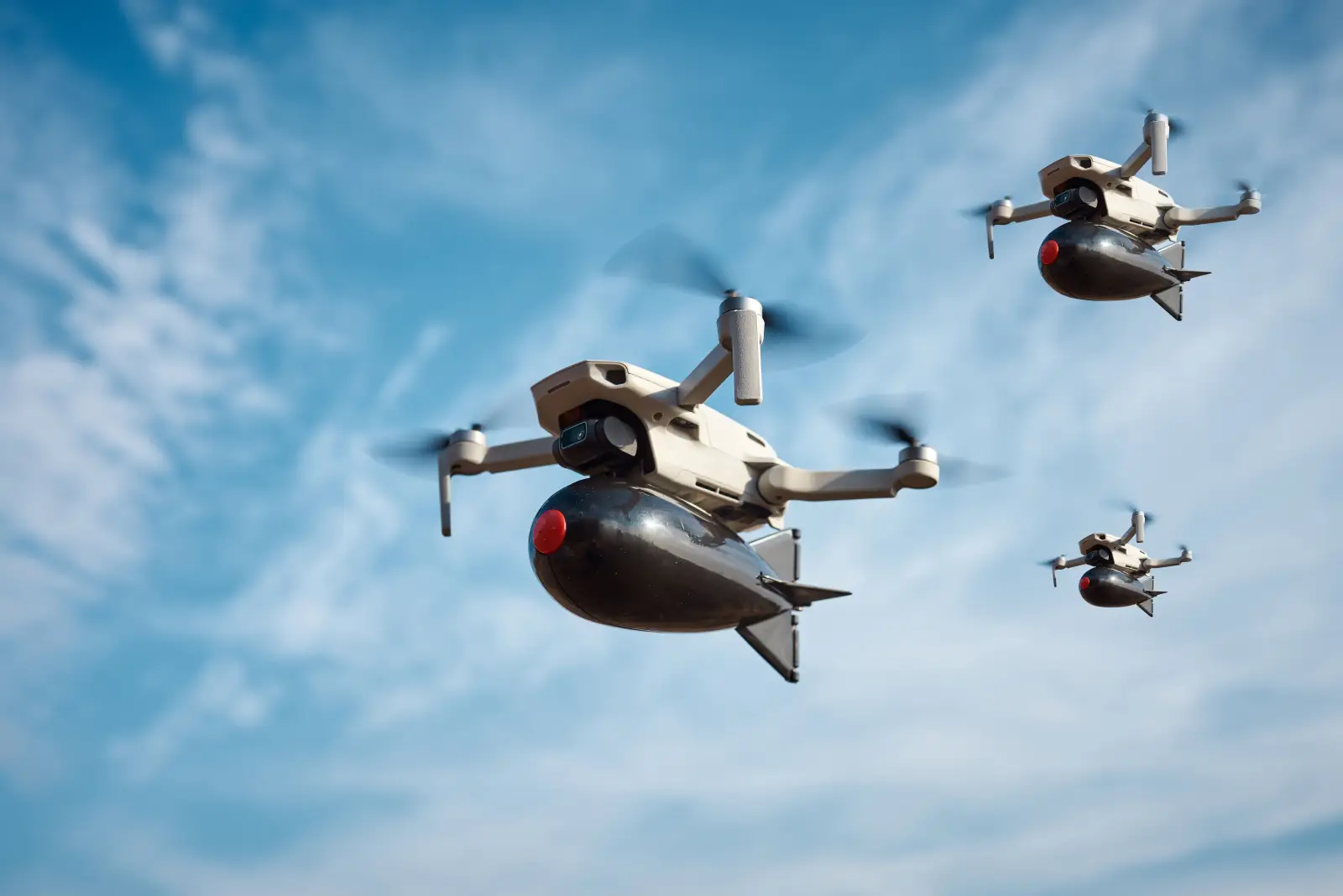
Belgium’s Defence Minister Theo Francken said the drones appeared to operate “in formation,” describing the incident as a potential security threat targeting critical infrastructure. He added that the government’s National Security Council convened an emergency meeting on Tuesday to assess the pattern of drone incursions and determine whether the disruption was deliberate. Investigators are now working to identify the origin of the devices and any possible links to organized interference with airport operations.
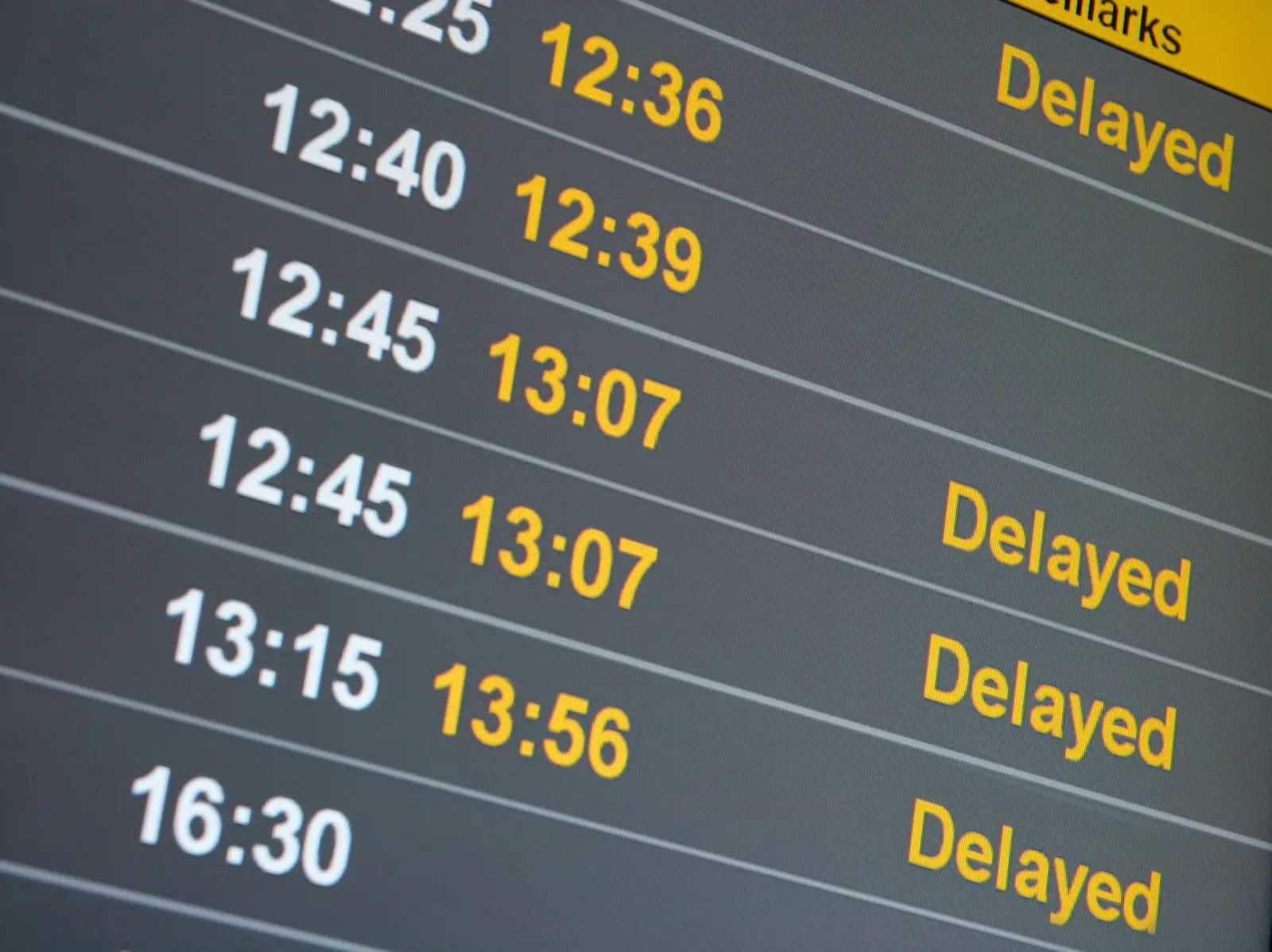
According to the latest updates from Brussels Airport Company and the Federal Police, no injuries were reported and no drones were recovered from the site as of Tuesday morning. However, the closures caused major travel disruption, with about 400 to 500 passengers forced to remain in terminals overnight due to cancelled and diverted flights. Airport officials said it could take several days for operations to return to normal as airlines reposition aircraft and crew.
“Safety is our first priority, and we will not compromise when there are risks related to airspace security,” an airport spokesperson told local media. “We are cooperating closely with police and aviation authorities to ensure safe and stable flight operations before resuming full service.”
Ripple effects across European air traffic
The incident at Brussels-Zaventem, which handles more than 26 million passengers annually, created a ripple effect across European air traffic on Tuesday. Several short-haul flights operated by Brussels Airlines, Ryanair, and Lufthansa were either cancelled or delayed, while long-haul services to North America and Asia were diverted to nearby hubs. Cargo operations at the airport were also temporarily halted, affecting supply chain logistics in Belgium and neighboring countries.
According to flight-tracking data cited by Reuters and AP, more than 50 flights were cancelled outright, while 24 were rerouted to alternative airports during the closure. By Tuesday morning, air traffic had resumed at limited capacity under tightened restrictions, with additional drone detection systems deployed across the perimeter.
The Belgian Civil Aviation Authority confirmed that it is coordinating with Eurocontrol to review drone safety protocols and strengthen counter-drone response mechanisms. Officials said the incursion represents one of the most serious cases of airspace interference in Belgium’s history and highlights growing risks linked to unauthorized drone activity near major transport hubs.
Growing concern over drone threats in Europe
The Brussels disruption follows a series of similar incidents across Europe in recent years, where unidentified drones have halted airport operations in the United Kingdom, Germany, and Spain. Aviation experts have repeatedly warned that the increasing availability of consumer and semi-professional drones poses a serious challenge to airport security. While most countries have introduced stricter regulations on drone use, enforcement remains difficult due to the small size and maneuverability of these devices.
Belgium’s Transport Minister said new legislation to strengthen penalties for unauthorized drone flights near critical infrastructure is expected to be proposed before the end of the year. The ministry is also exploring partnerships with technology firms to enhance airspace monitoring and develop rapid-response systems capable of identifying and neutralizing drone threats within minutes.
Security analysts say the incident underscores the need for coordinated cross-border policies within the European Union. As Brussels hosts key EU and NATO institutions, maintaining secure airspace is a national priority. The Belgian government has requested technical support from neighboring states to help trace the signal origins of the drones involved in Monday’s incident.
By Tuesday afternoon, Brussels Airport said normal operations had resumed, though passengers were urged to check their flight status before traveling. Airlines are working to rebook stranded passengers and reallocate aircraft following widespread cancellations. Officials added that while airspace security has been reinforced, further drone sightings could trigger additional short-term suspensions.
Authorities have yet to identify any suspects or motives behind the incident. The Federal Police said investigations remain ongoing, and more information will be shared once initial assessments are complete. For now, Belgium’s main airport remains under heightened surveillance amid calls for tighter drone regulation and improved coordination across Europe’s aviation sector.
Photo Credit: Lukas Gojda / Shutterstock.com