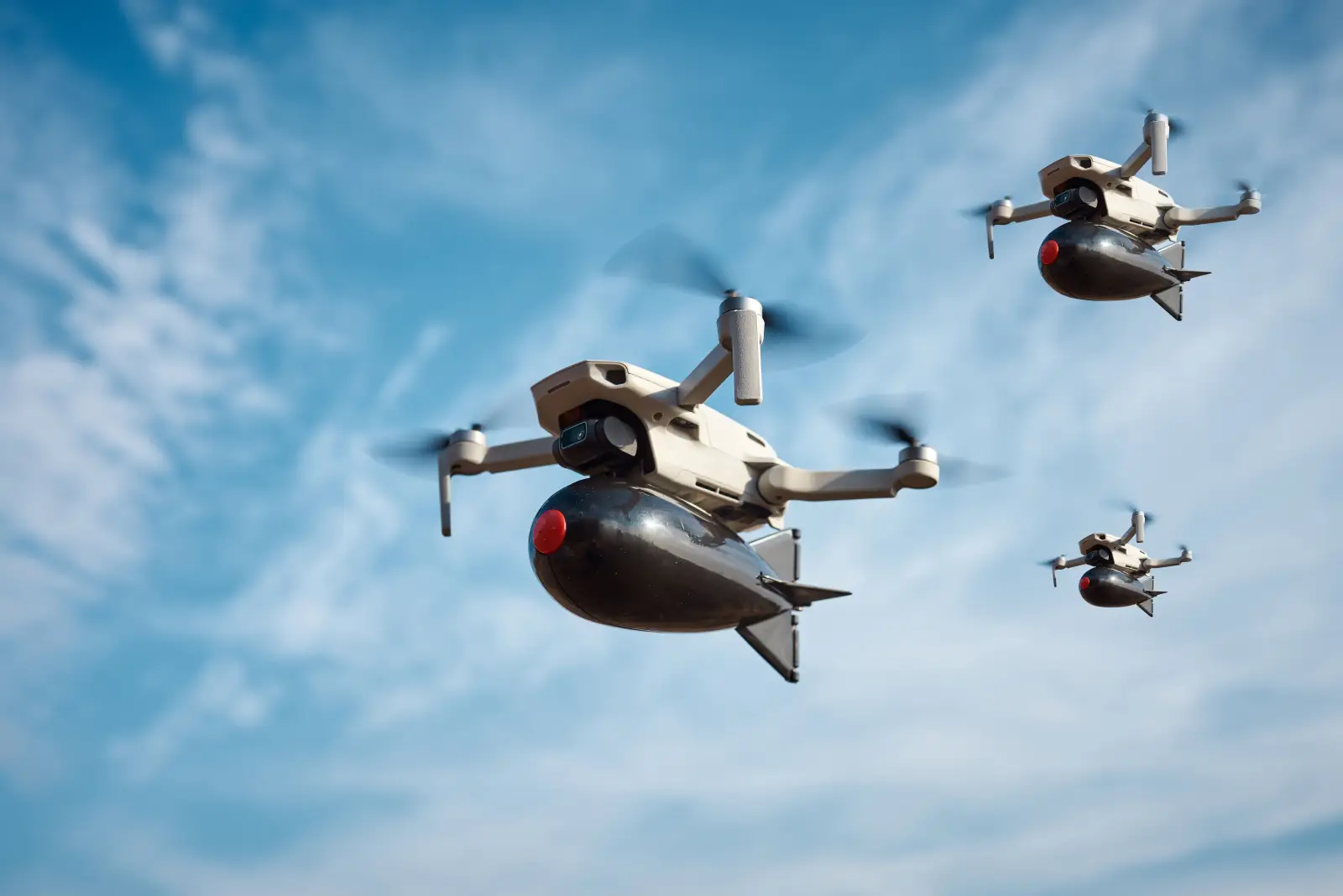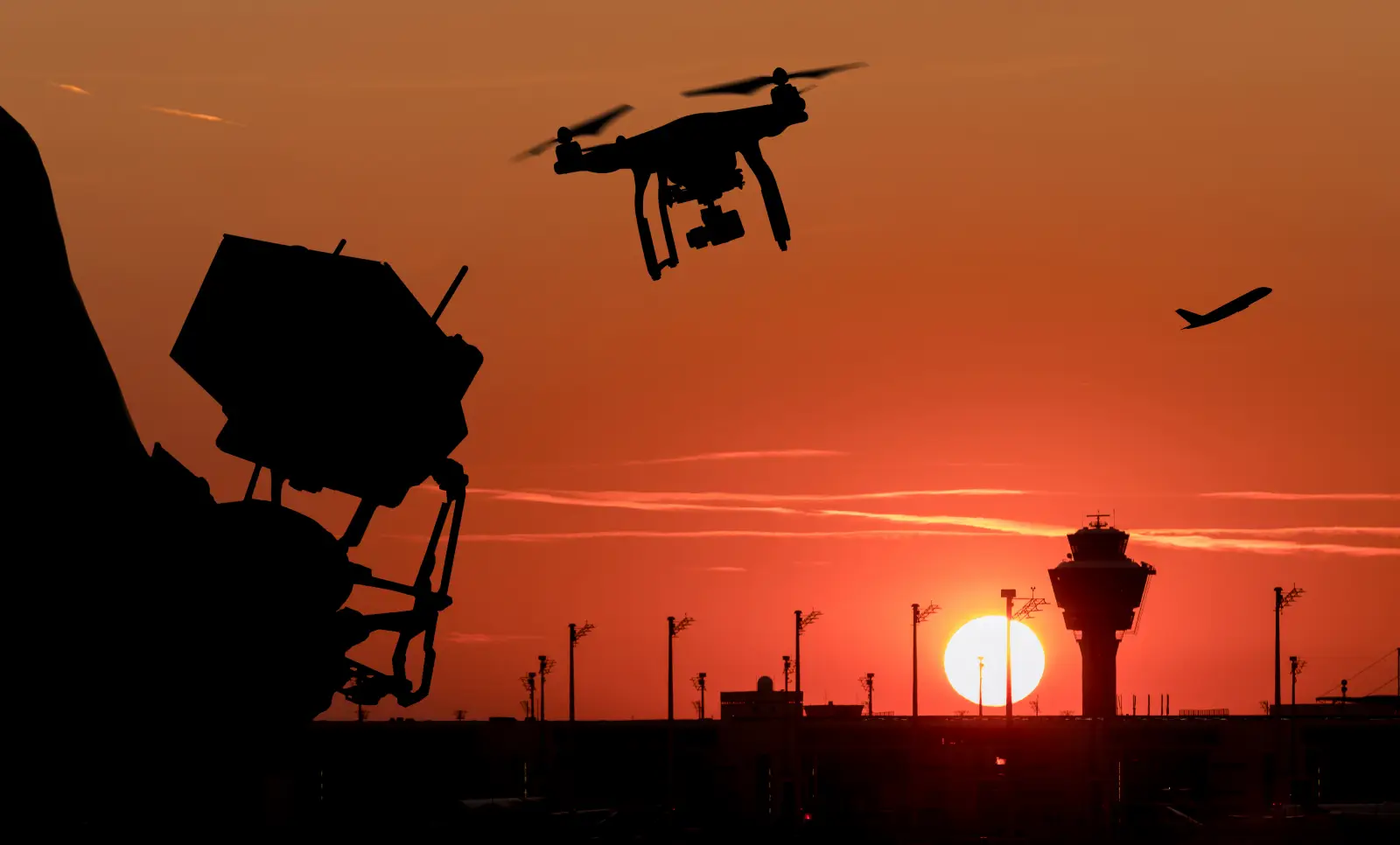
European skies are becoming increasingly turbulent as waves of drone threats force airports to close, divert flights, and shake traveler confidence.
From Poland and Romania to Denmark and Norway, disruptions have mounted throughout September, raising alarms among airlines, governments, and NATO officials. The incidents are no longer isolated events—they are emerging as a sustained challenge to aviation safety and the stability of Europe’s travel industry.
Flights Disrupted Across the Continent
On multiple occasions this month, passengers have found themselves stranded or redirected as drones penetrated restricted airspace. Copenhagen Airport was shut down for four hours after large drones were spotted overhead, while Oslo Airport experienced similar closures and flight diversions just days later. In northern Norway, a Boeing 737 traveling from Oslo to Bardufoss was forced to turn back mid-flight after controllers reported drone activity in the area.
Poland has also faced repeated incursions, with more than 20 Russian drones crossing its airspace earlier in September. Romanian authorities confirmed similar events near the border with Ukraine, where F-16s scrambled to intercept. Each disruption creates ripple effects across Europe’s tightly connected aviation system, forcing carriers to reroute aircraft and delaying passengers far beyond the immediate hotspots.
Airlines on Alert
Ryanair CEO Michael O’Leary recently warned that drone interference could affect European skies “for years to come.” His remarks are proving prescient. Carriers such as Ryanair, LOT Polish Airlines, SAS, and Norwegian now face rising insurance premiums and pressure to alter flight paths. The European Union Aviation Safety Agency (EASA) has begun consultations with member states on how to improve detection and defense systems, but solutions remain costly and slow to implement.
Airlines are also balancing safety with passenger trust. Prolonged diversions or cancellations could discourage travelers from booking trips to affected regions, especially along NATO’s eastern flank. For destinations like Estonia, Poland, and northern Norway—where tourism depends heavily on seasonal travel—the economic impact could be severe if the pattern of incursions continues.
Escalating Provocations
For analysts, these drone incidents are not random. Russian investigative journalist Mikhail Rubin argues that President Vladimir Putin has embraced escalation as a governing strategy. “Putin only understands the language of violence and strength,” Rubin told t-online. “If there is no decisive reaction, he sees this as an invitation.”
NATO has already responded by reinforcing its eastern air defenses. The alliance expanded its Baltic Sentry surveillance missions and deployed additional aircraft to the Baltic Sea region. Denmark characterized the drone flyovers as a possible “hybrid attack,” meant to test defenses and spread unease. Ukraine, meanwhile, claims that Russia may be using its so-called “shadow fleet” of oil tankers to launch and control drones targeting European countries.
Timeline of 2025 Incidents
The following events illustrate how widespread the disruptions have become:
- Sep 9–10 – Poland: More than 20 Russian drones breach Polish airspace, prompting NATO fighters to scramble.
- Sep 13–14 – Romania: Drone crosses Romanian skies during Russian border strikes; F-16s dispatched.
- Sep 19 – Estonia: Three Russian MiG-31 jets violate Estonian airspace for 12 minutes.
- Sep 22 – Denmark & Norway: Drone sightings force Copenhagen Airport to close; Oslo Airport briefly shut.
- Sep 24 – Norway: Officials report no proven link between Oslo and Copenhagen incidents.
- Sep 26–27 – Denmark: New sightings over military bases raise fears of hybrid warfare.
- Sep 27–28 – NATO Response: Alliance boosts surveillance and air defenses in Baltic region.
- Sep 28 – Denmark: Government imposes nationwide ban on civilian drone flights, citing security threats.
- Sep 28–29 – Norway: Drone sightings cause diversions, including an Oslo–Bardufoss service forced back.
Traveler Confidence at Risk
For passengers, the effects are immediate: longer journeys, unscheduled stopovers, and unexpected cancellations. Reports from Copenhagen and Oslo describe confused travelers queueing for updates while airlines scrambled to rebook disrupted flights. Tourism boards in Poland and the Baltic states have voiced concern that visitors may perceive the region as unsafe, undermining years of investment in promoting Eastern Europe as a destination.
Industry experts note that confidence is crucial. Even a perception of instability can shift travel demand toward safer-feeling markets in Western or Southern Europe, especially for family travel and corporate bookings.
What Lies Ahead
While governments tighten drone regulations and NATO increases surveillance, the long-term picture remains uncertain. O’Leary’s prediction of years-long disruption underscores the challenge: Europe’s skies may remain contested for the foreseeable future. For airlines, insurers, and travelers, the reality is that drone incursions have become more than an occasional nuisance—they are now a strategic threat to European aviation and tourism.
Photo Credit: Lukas Gojda / Shutterstock.com