Spain’s rollout of the MiDNI digital identity app and Apple’s launch of a new Digital ID for Apple Wallet are reshaping how travellers verify their identity across hotels, airports and other in-person services.
MiDNI, available since April 2025, allows Spanish citizens to present a mobile version of their national ID for domestic procedures, while Apple’s Digital ID lets U.S. passport holders use their iPhone or Apple Watch for identification at TSA checkpoints. Together, the systems mark an early shift toward mobile-based identity tools in the travel and hospitality sectors.
The developments come as travel operators accelerate efforts to modernise guest verification and reduce document-handling at check-in points. MiDNI expands Spain’s digital-administration capabilities for in-person identification, while Apple’s Digital ID extends passport-based identity into mobile devices for domestic air travel in the United States. Both systems create new expectations for hotels, airlines and service providers handling identity confirmation for travellers.
Impact on Hotels and Guest Registration
MiDNI allows Spanish citizens to present a digital version of their national identity card (DNI) for in-person identification across a range of services, including hotels, vehicle rentals and banking. The Ministry of the Interior specifies that the app provides legal backing for “face-to-face identity accreditation,” enabling hotels to accept MiDNI as a valid ID for guest registration.
However, MiDNI does not replace the physical DNI card. The digital version cannot be used for international travel, remains unavailable to foreign residents holding a NIE document, and cannot yet be added to smartphone wallet apps. According to local guidance, full online identification and digital signature capabilities will not be implemented until 2026.
For accommodation providers, MiDNI provides opportunities for faster check-in and reduced manual ID handling, particularly for domestic travellers. But hotels must continue to comply with Spain’s guest registration regulations, including the data reporting requirements established by Real Decreto 933/2021. As industry software suppliers begin enabling direct MiDNI integration, hotels may need to upgrade digital check-in tools and verification systems.
Apple Digital ID Expands Mobile Identity in the U.S.
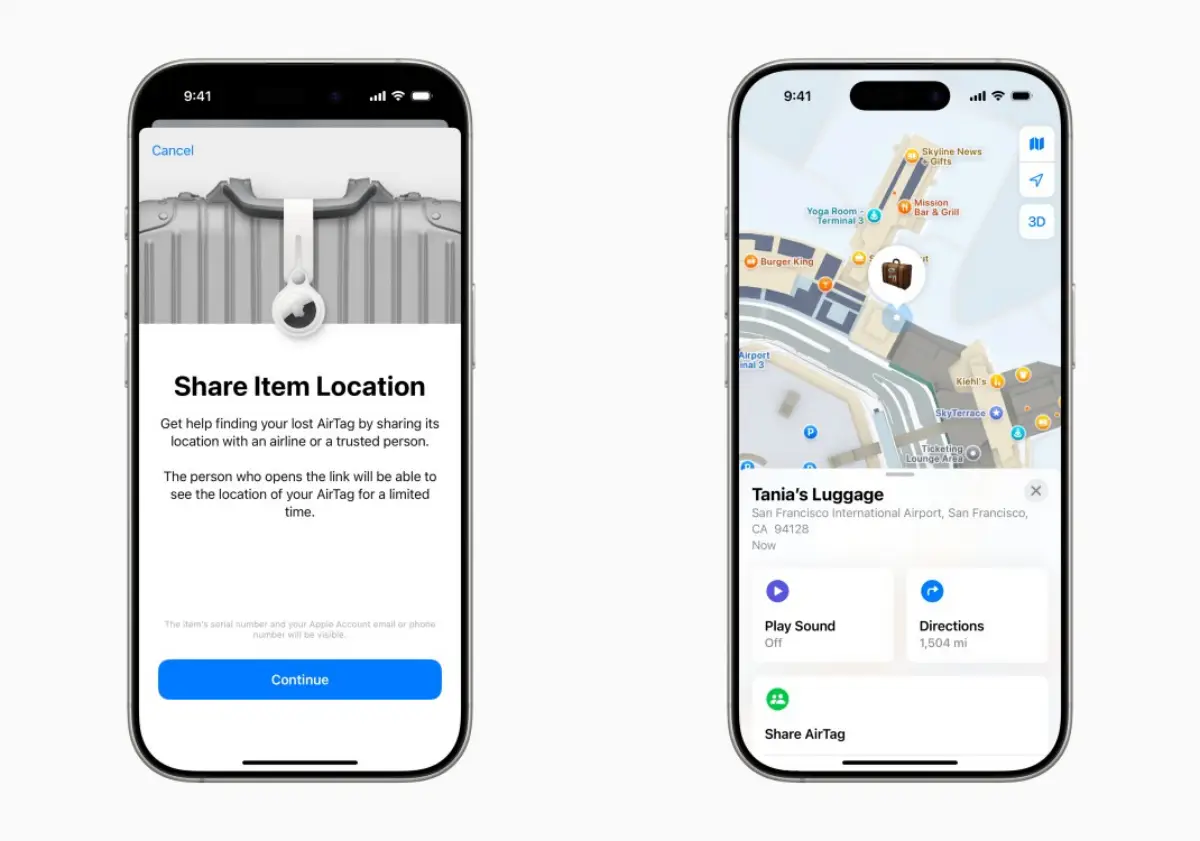
Apple’s new Digital ID feature allows users to upload passport data into Apple Wallet by scanning the passport photo page, reading the NFC chip and completing biometric verification. The company says the feature is designed to prioritize on-device security and encrypted storage. “With the launch of Digital ID, we’re excited to expand the ways users can store and present their identity — all with the security and privacy built into iPhone and Apple Watch,” said Jennifer Bailey, Vice President of Apple Pay and Apple Wallet.
Apple emphasizes that Digital ID does not replace a physical passport and cannot be used for international border crossings. Instead, the system is being introduced for identity checks at TSA domestic-security lanes, with adoption initially limited to participating U.S. airports. Information on participating checkpoints is available at Apple Support.
What Travellers and Operators Should Expect
For travellers inside Spain, MiDNI offers a streamlined method of verifying identity for hotel stays and other in-person requirements. It simplifies check-in procedures for Spanish nationals but has limited impact on foreign tourists, who must continue to present physical passports or national ID cards. Hotels are expected to maintain dual ID-processing systems to accommodate both domestic digital credentials and traditional documents.
For operators outside Spain, Apple Digital ID indicates a possible shift toward broader mobile identity adoption. As TSA expands its use of contactless readers and biometric validation, travel businesses—including hotels, car-rental providers and cruise operators—may eventually face demand to support Apple Wallet-based identification. However, industry adaptation will depend on regulatory approval, the availability of certified readers and the willingness of authorities to recognize digital credentials.
Although both MiDNI and Apple Digital ID remain limited in scope, together they signal a growing move toward digital identity ecosystems that could reshape guest-management processes globally. For now, travellers must continue carrying their physical IDs for international mobility, while hotels and airlines track evolving requirements and prepare for a gradual transition toward mobile-first authentication.