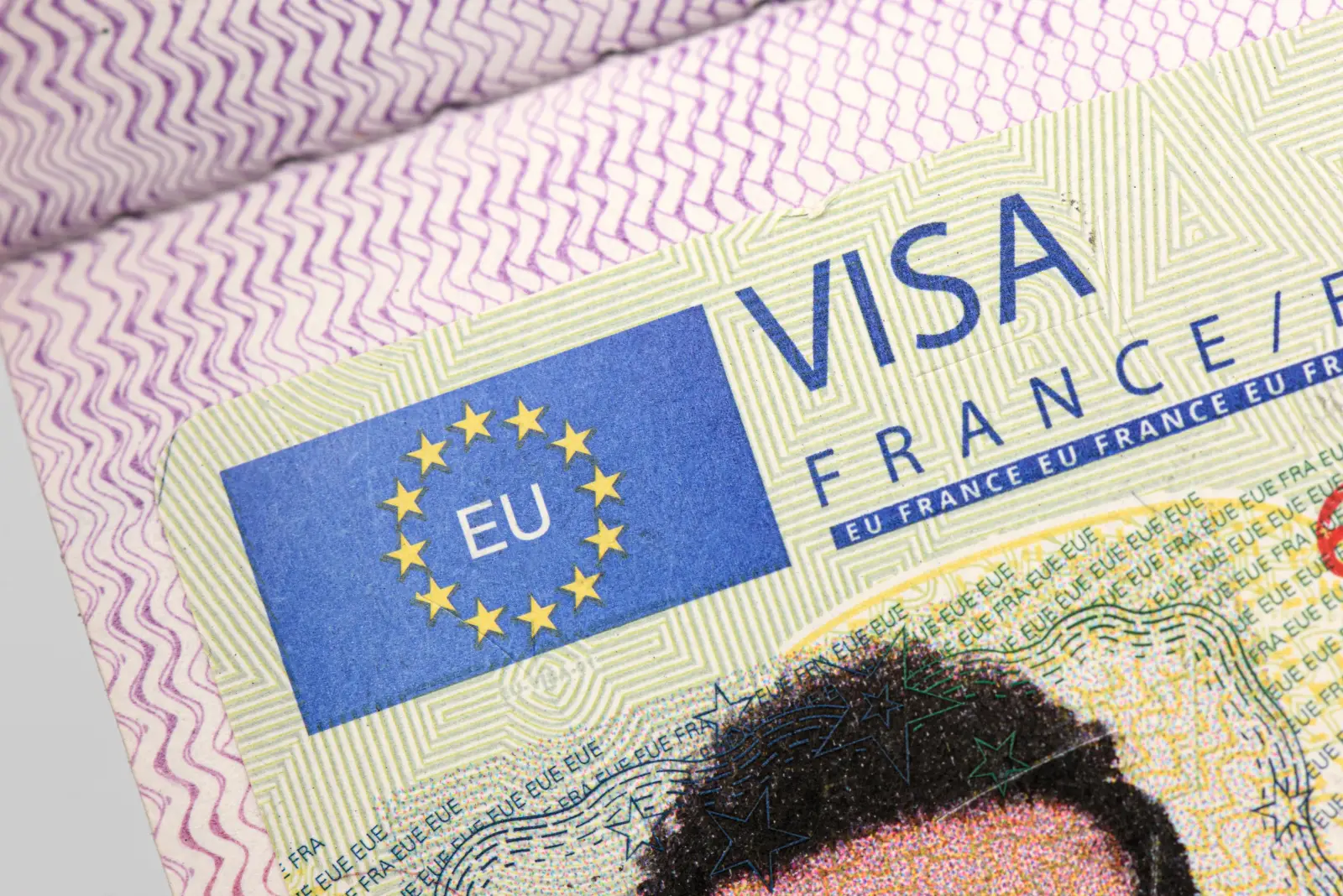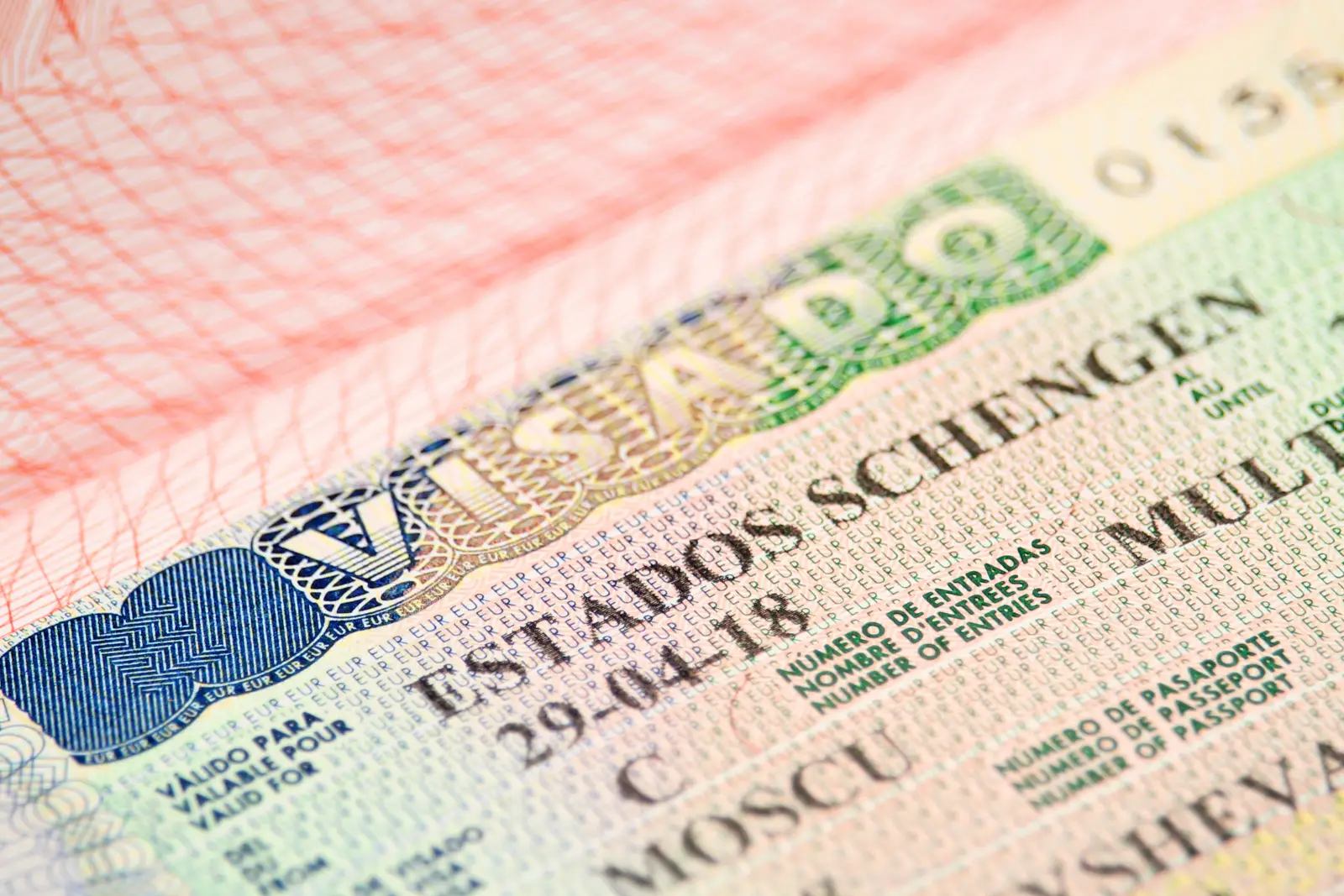
The European Council has approved new rules that overhaul the European Union’s visa suspension mechanism, making it easier and faster for the bloc to halt visa-free short-stay travel for citizens of non-EU countries. The updated regulation widens the grounds for suspending visa-free access, lowers the activation threshold and extends the duration of possible suspensions. It applies to all 61 countries whose nationals can currently enter the Schengen area without a visa for up to 90 days in any 180-day period.
The reforms follow concerns among EU institutions about rising irregular migration, human rights violations and security risks linked to investor citizenship schemes operated by some third countries. The Council confirmed the measures on 17 November, stating that the changes strengthen the EU’s ability to respond quickly to deteriorating conditions in countries benefiting from visa-free travel. The new regulation will enter into force 20 days after publication in the EU’s Official Journal and will be directly applicable across all member states.
Expanded Grounds for Suspension
The updated mechanism introduces new categories that allow the EU to suspend visa-free travel in situations not covered by previous rules. According to a statement from the Council, the EU may now act if a third country’s human rights performance “deteriorates significantly,” if bilateral relations with the EU break down or if the country fails to maintain alignment with the EU’s own visa policy. Details of the Council’s announcement are available at this link.
Another new ground concerns investor citizenship schemes. These programs, sometimes described as “golden passport” systems, allow foreign nationals to acquire citizenship without genuine ties to the issuing country. The EU considers such schemes a security threat because they allow individuals to obtain visa-free access to the bloc through low-threshold investment routes. The revised rules enable the EU to suspend visa-free travel for countries that maintain such schemes. Additional information on these concerns is provided at the EU visa policy page.
Until now, the suspension mechanism focused mainly on migration-related indicators, particularly increases in asylum claims, overstays and refused entries. The Council said the reform addresses gaps that prevented the EU from responding to non-migration risks that still affect its security and the integrity of the Schengen area.
Lower Threshold for Activation and Longer Suspension Periods
The amendments lower the threshold required to trigger the suspension mechanism. Under previous rules, a “substantial increase” in overstays, asylum applications, refused entries or serious criminal offences required a rise of at least 50 percent compared with earlier periods. The new regulation reduces this threshold to 30 percent, enabling faster activation when migration indicators worsen.
The duration of a suspension is also extended. The initial suspension may now last up to 12 months, compared with 9 months under the previous framework. This may be followed by a 24-month extension, longer than the earlier 18-month limit. These expanded timelines give the EU more time to work with third countries to address underlying problems before considering a permanent revocation of their visa-free status.
The rules also introduce targeted measures during the extended suspension phase. Unlike earlier regulations, which automatically applied to all nationals of the affected country, the updated mechanism allows the EU to restrict travel for specific groups. These may include government officials, diplomats or individuals linked to the policies causing concern. The Council said this approach would “avoid disproportionate impact on the wider population while preserving the EU’s security interests.”
Implications for Travellers and the Travel Industry
The new rules do not immediately change visa requirements for any country, but they significantly increase the EU’s flexibility in suspending visa-free travel when necessary. Travellers from countries currently benefiting from the regime may face a higher risk of sudden policy shifts if their governments fail to meet EU standards on migration management, human rights or security cooperation.
For the travel industry, including airlines, tour operators and travel insurance providers, the reforms introduce added uncertainty. Carriers serving visa-free markets may need to adjust passenger information systems more frequently if the EU activates new suspensions. Travel companies operating in countries with active investor citizenship schemes or diverging visa policies may be among the first affected by changes under the revised mechanism.
Governments of visa-free countries also face heightened expectations. The EU has signalled that alignment with its visa policy will be closely monitored, particularly when third countries allow other nationalities to enter without visas in ways that create potential “backdoor” transit routes into the EU. Countries with high numbers of overstays or asylum applications lodged by their nationals inside the EU may also be at increased risk of triggering an automatic review.
The Council noted that the visa suspension mechanism, created in 2013, has been activated only once under previous rules. By lowering thresholds and widening grounds for triggering a suspension, EU policymakers aim to make the tool more effective and responsive. The updated framework reflects broader efforts to reinforce border security and safeguard the Schengen area, while maintaining mobility for countries that cooperate closely with EU standards.
The European Commission will now monitor indicators across all 61 visa-free countries and report regularly on developments that could justify the activation of the revised mechanism. As the new rules take effect, both travellers and industry operators will need to watch for emerging signs of strain in EU relations with third countries, which could lead to changes in visa-free access with little advance notice.
List of 61 visa-free countries
According to the Council of the European Union, the EU currently grants visa-free short-stay access (up to 90 days in any 180-day period) to nationals of 61 non-EU countries, plus two Special Administrative Regions (Hong Kong, Macau) and Taiwan. 
Here are some of those countries (not exhaustive):
- Albania
- Andorra
- Antigua and Barbuda
- Argentina
- Australia
- Bahamas
- Barbados
- Bosnia and Herzegovina
- Brazil
- Brunei
- Canada
- Chile
- Colombia
- Costa Rica
- Dominica
- El Salvador
- Georgia
- Grenada
- Guatemala
- Honduras
- Israel
- Japan
- Kiribati
- Kosovo
- Malaysia
- Marshall Islands
- Mauritius
- Mexico
- Micronesia
- Moldova
- Monaco
- Montenegro
- Nauru
- New Zealand
- Nicaragua
- North Macedonia
- Palau
- Panama
- Paraguay
- Peru
- Saint Kitts and Nevis
- Saint Lucia
- Saint Vincent and the Grenadines
- Samoa
- San Marino
- Serbia
- Seychelles
- Singapore
- Solomon Islands
- South Korea
- Timor-Leste
- Tonga
- Trinidad and Tobago
- Tuvalu
- Ukraine
- United Arab Emirates
- United Kingdom
- United States
- Uruguay
- Venezuela
- Holy See