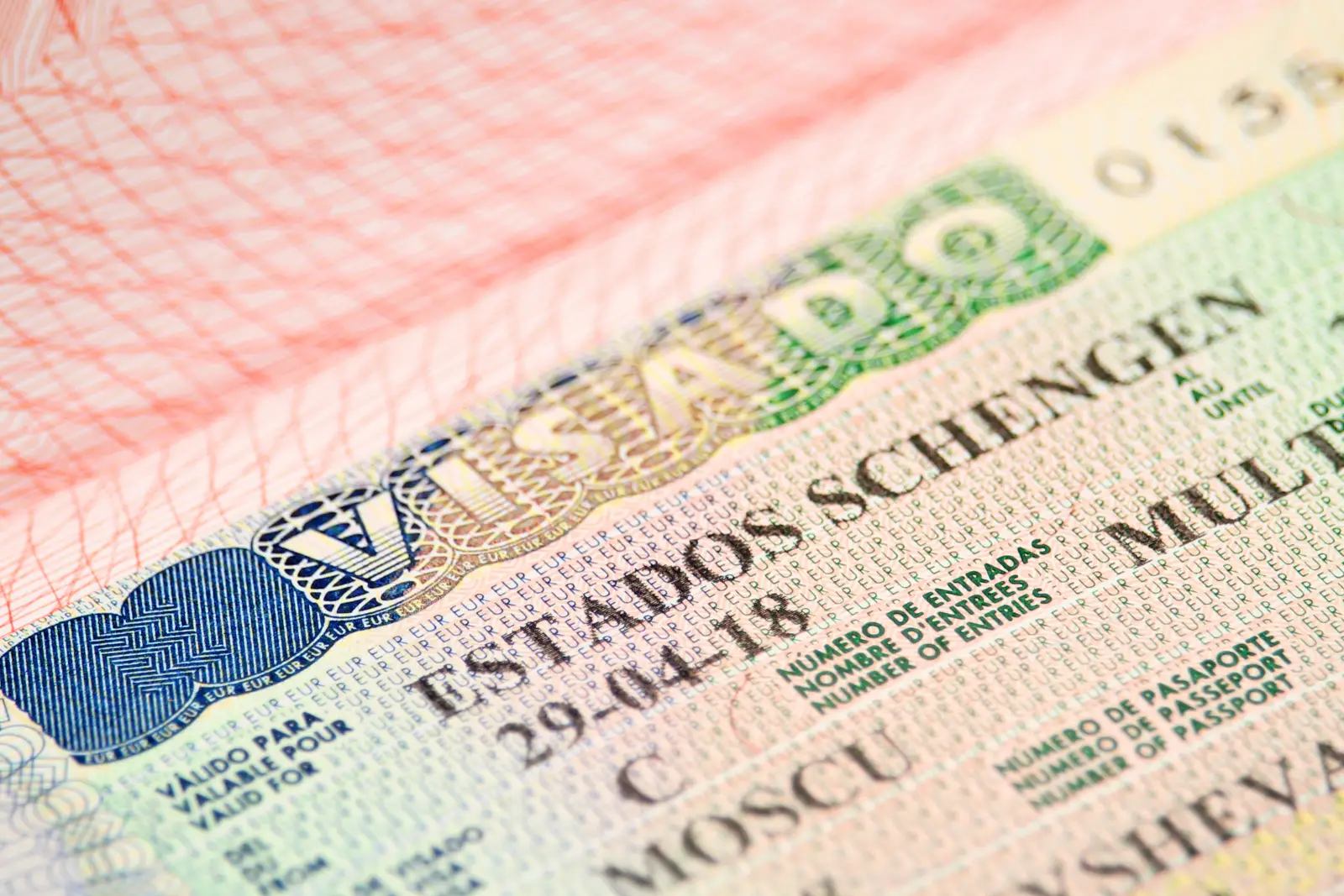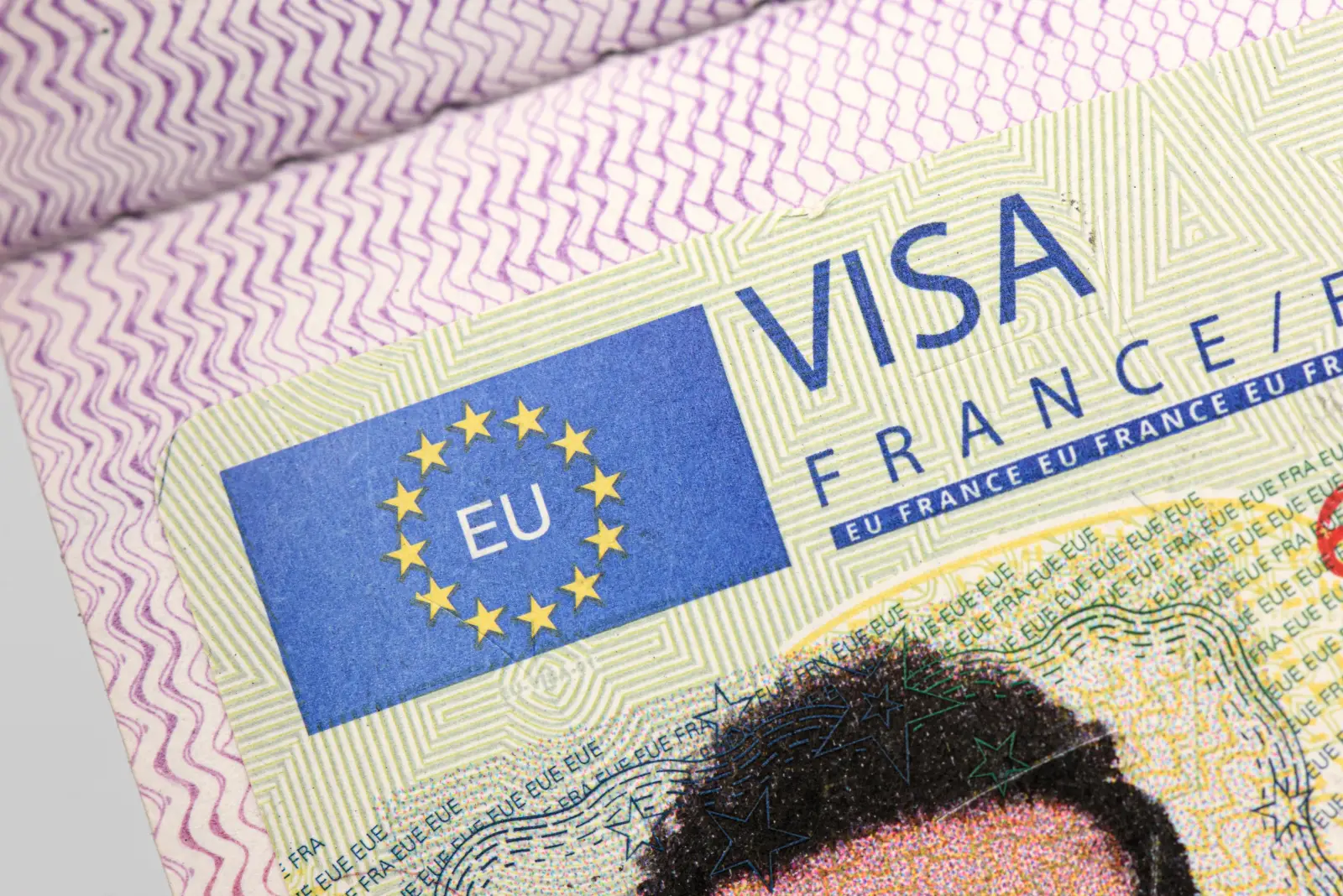
Turkey’s travel sector has raised the alarm over a worsening Schengen visa appointment crisis, warning that a black market for appointment slots is thriving ahead of the summer holiday season, with prices reportedly reaching 1,000 euros in urgent cases.
TURSAB, the Association of Turkish Travel Agencies, said the core problem is not only high rejection rates but the failure of applicants to secure appointments in the first place. Firuz Baglikaya, President of TURSAB, said automated bots capture the limited slots that become available the moment the system opens, effectively locking out genuine applicants before they can even submit a document.
“At midnight, on holiday mornings, on Sundays, the appointments open,” Baglikaya said. “After that, these appointments are sold for 300 to 500 euros, with prices reaching 1,000 euros in urgent situations.”
The scale of the crisis is reflected in new European Commission data. Schengen visa applications reached 11,934,106 in 2025, with an overall refusal rate of 14.8%. Turkey ranked as the second-largest applicant country after China, submitting 1,268,376 applications with a refusal rate of 14.6%. Around one million visas were issued to Turkish applicants, while more than 183,000 were rejected.
Despite a nominal 8% rise in appointment availability for Schengen visas from Turkey in 2025, Baglikaya said the increase was not distributed evenly. Applications for Italy fell by 32.3% year on year, while demand for France dropped by nearly 6%, pointing to a structural access problem rather than a drop in interest from travellers.
“While we were expecting visa quotas to increase, they appear to have been cut further,” said Baglikaya. “Citizens cannot even get the chance to apply for a visa and are left outside the system.”
He said Italy and France are central to package tours arranged by Turkish travel agencies, meaning the access squeeze is hurting businesses as well as individual travellers. Outbound tourism by Turkish citizens rose 4.5% year on year in 2025 to 11.9 million travellers, while total spending abroad jumped 24% to 9.6 billion dollars, underscoring the strength of demand for European travel.
On the ground, VFS Global, the third-party visa and passport management provider contracted by numerous European diplomatic missions, has acknowledged the scale of the bot problem. Sertan Aslanturk, Deputy Regional Head of VFS Global for Turkey and Azerbaijan, said the company has deployed a series of countermeasures, including virtual keyboards, IP address restrictions, VPN blocking and a digital waiting room system.
“We take action every single day,” Aslanturk said. He added that virtual point-of-sale systems were introduced after the initial wave of bot interference, followed by additional layers of verification.
Despite these measures, intermediaries continue to operate freely. Orhan Iscil, managing director of a visa services company, told private broadcaster NTV that the market remains entirely unregulated. “Some agents are demanding between 500 and 1,000 euros, sometimes even as much as 3,000 euros,” he said. “It’s a completely unregulated market. I urge our citizens not to trust advertisements they encounter on social media. Many have handed over money only to be met with silence.”
Intermediary services marketed under labels such as “Premium Lounge” and “VIP application” have proliferated, promising expedited processing or preferential treatment. According to Baglikaya, these transactions often take place without proper documentation, and agencies retain the power to cancel appointments arbitrarily, generating profits at the expense of frustrated applicants.
A separate concern has emerged around data security. Critics have pointed out that almost all intermediary companies handling the visa process are foreign-owned, raising questions about the handling of sensitive personal and financial information. VFS Global itself was originally founded by an Indian entrepreneur and was acquired in 2021 by the US-based private equity firm Blackstone.
The crisis has also begun to affect sectors beyond tourism. Reports indicate that technical experts working on the Akkuyu Nuclear Power Plant project faced delays after being unable to secure timely European visas, while executives at Turkish defence company Roketsan have highlighted visa-related obstacles affecting procurement and business operations.
TURSAB said it is preparing to take formal action and has called on European consulates and the European Commission to address the structural shortfall in appointment capacity as a matter of urgency before the peak summer travel season.
Photo Credit: gd_project / Shutterstock.com