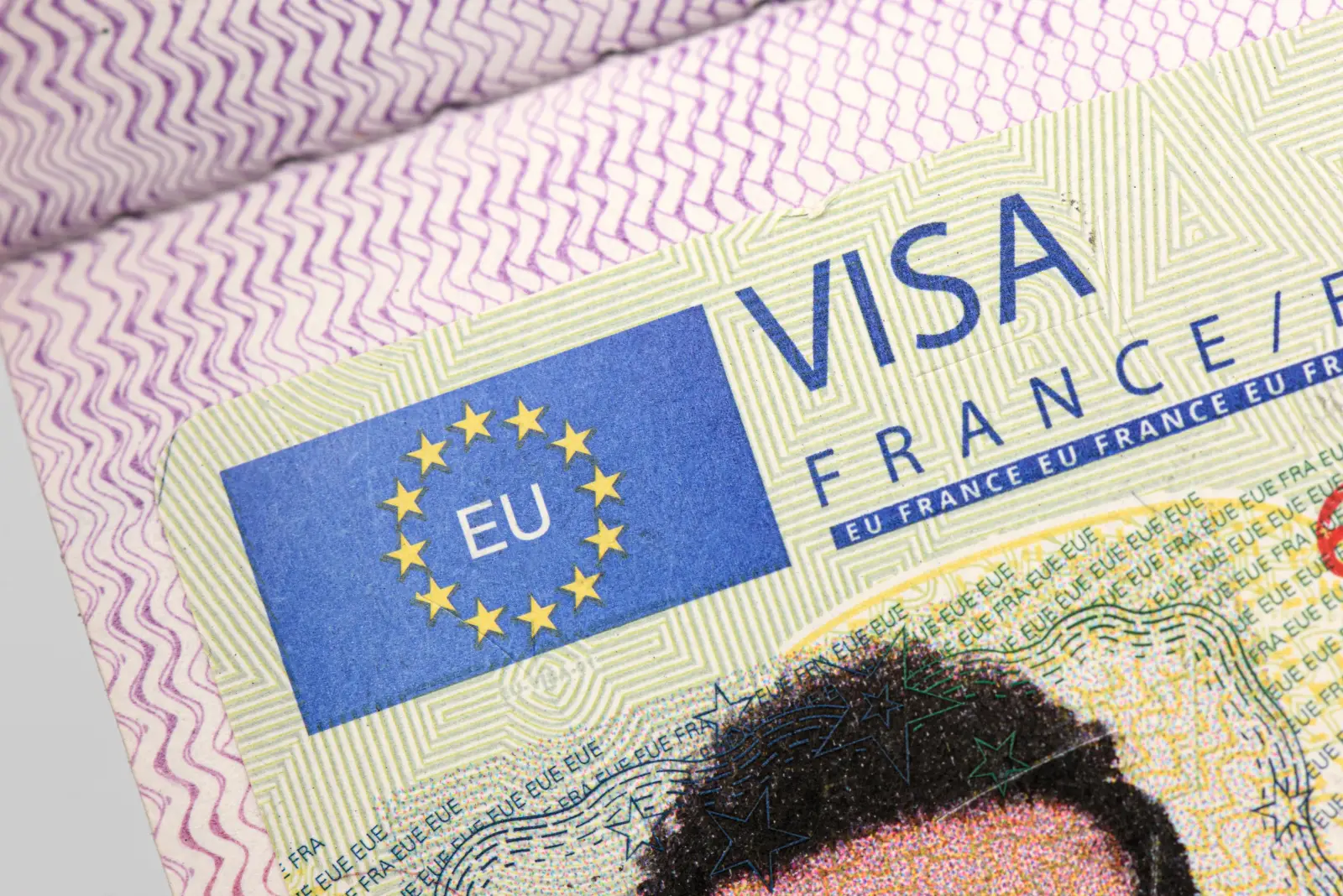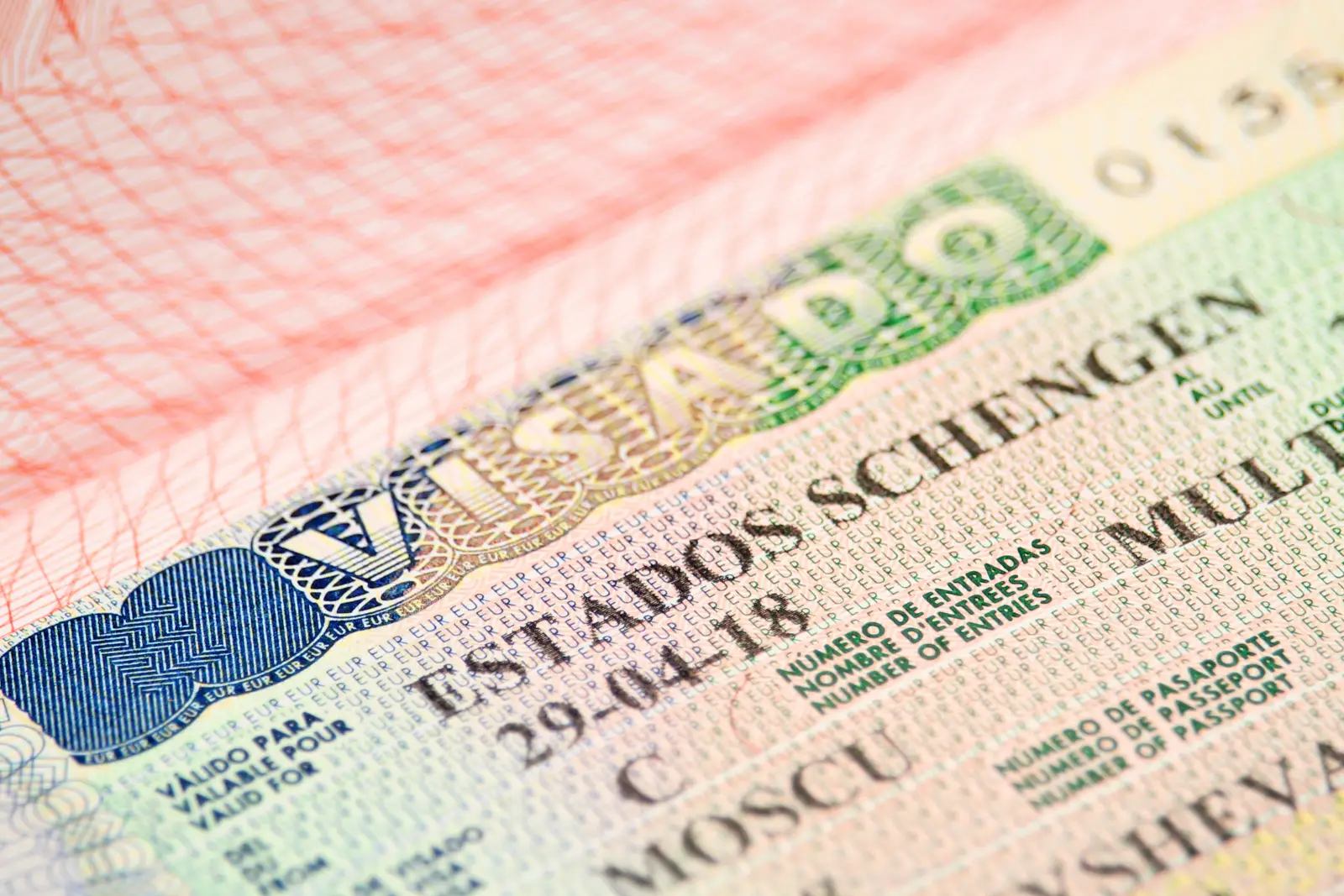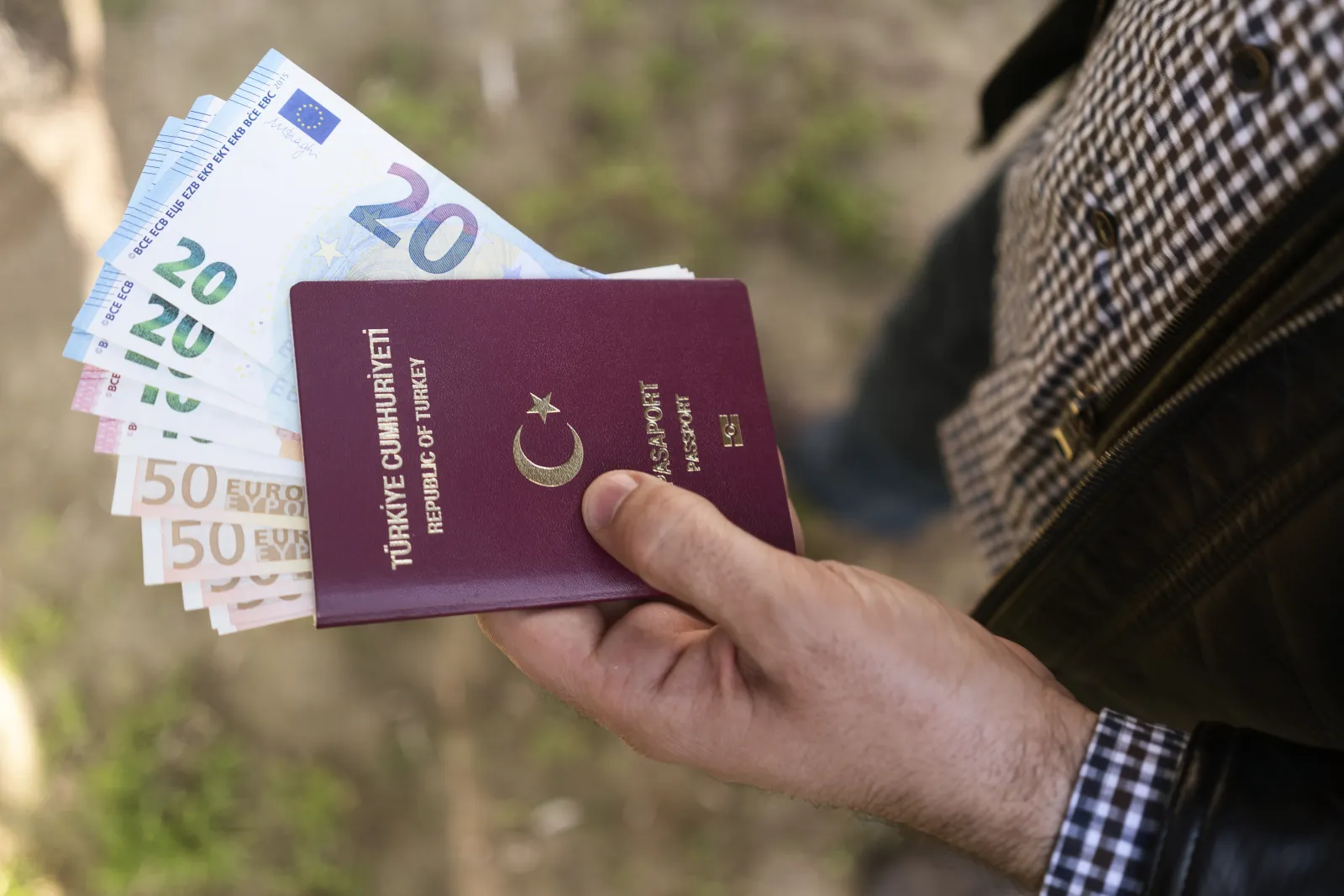
Schengen visa barriers cost Turkish citizens 775 million euros over 15 years, reflecting deep structural challenges in Turkey–EU travel relations. This massive figure represents only the official application fees paid, excluding extra costs that have created a burdensome system for ordinary travelers, students, and business professionals alike.
As Turkey continues to struggle with stalled EU accession talks, the visa issue has emerged as a stark symbol of the unequal treatment many citizens face. The Schengen visa system’s complexity and high costs have given rise to an entire industry of intermediaries and fees, underlining how diplomatic hurdles become everyday financial struggles for millions.
Visa Fees Add Up to a Major Economic Drain
According to the Economic Development Foundation (IKV), Turkish citizens have paid 775 million euros in Schengen visa application fees over the past 15 years. This amount does not even include hidden expenses such as notarised translations, bank statements, VIP processing fees, or travel costs to other cities just to submit paperwork. For many, securing a visa is an elaborate, costly ritual that tests patience as well as finances.
The challenge is especially acute for businesspeople and students. Companies aiming to attend trade fairs or meet partners in the EU must plan months ahead, secure invitation letters, and often navigate unpredictable appointment availability. Similarly, students accepted to European universities or exchange programmes can see their plans derailed by visa denials—even after securing coveted spots through programs like Erasmus.
Ayhan Zeytinoğlu, President of IKV, highlighted the unfairness of the situation, noting that while goods flow freely thanks to the EU–Turkey Customs Union, the people who design, produce, and transport those goods face opaque visa obstacles. He described these as “invisible walls” that make participation in Europe’s economy practically impossible for many Turks.
Comparisons with Other Countries Reveal the Inequity
The frustration is compounded by looking at Turkey’s peers. When Turkey began EU membership negotiations in 2005, countries like Bosnia and Herzegovina, Georgia, Montenegro, North Macedonia, Moldova, Serbia, and Ukraine were not even fully independent or had not yet started EU talks. Today, citizens of these nations travel visa-free to the Schengen Area while Turks must “bring water from a thousand rivers” just to get an appointment.
This stark contrast highlights a painful irony for Turkey, a candidate country and Customs Union partner, whose citizens continue to face outdated restrictions that clash with the spirit of integration. Critics argue that visa-free travel should be a basic right of an economic partner, not a privilege denied through bureaucracy and ever-shifting security criteria.
IKV notes that even Kosovo, which faces unique challenges in securing EU integration due to its special international status, has recently achieved visa liberalisation. Meanwhile, Turkish citizens confront an increasingly exclusionary system despite being part of the same European trade framework that promises closer ties and mutual benefit.
Stalled Reforms and Criteria that Remain Unmet
The story of Turkey’s visa liberalisation process is one of progress interrupted. Turkey and the EU initiated a visa liberalisation dialogue in 2013, laying out 72 criteria Ankara needed to meet to secure visa-free travel for its citizens. While Turkey completed 66 of these reforms, six remain outstanding. These include anti-corruption strategies, judicial cooperation with EU states, operational agreements with Europol, implementing a readmission agreement, and revising anti-terror laws to align with European human rights standards.
Reform momentum slowed sharply over the last decade, reflecting broader political tensions between Turkey and the EU. As democratic backsliding, disputes over human rights, and foreign policy differences deepened, visa liberalisation fell down the agenda. For ordinary citizens, this meant the dream of seamless European travel remained distant, replaced instead with ever-more expensive and unpredictable hurdles.
Ayhan Zeytinoğlu argues that these unresolved issues cannot be ignored if Turkey is to achieve equal footing in its relationship with Europe. He points to recommendations from the Council of Europe urging Turkey to update its anti-terror laws to better protect freedom of expression, a change seen as essential to meeting EU expectations.
Hidden Costs Create a New Industry
Beyond the 775 million euros in direct application fees, IKV stresses that the real financial burden on Turkish citizens is far greater. Preparing for a Schengen visa application often means paying for professional translation of documents, notarisation, certified bank letters, and even trips to distant cities to secure a rare appointment slot. Some applicants pay extra for so-called VIP services to try to expedite the process in an overloaded system.
These costs have given rise to an entire industry of intermediaries and consultants who profit from the complexity and unpredictability of the system. For many families and students, these expenses are prohibitive, turning the dream of European travel, study, or professional development into an unreachable goal. The visa issue, therefore, is not merely an inconvenience but a barrier to personal opportunity and economic development.
Even as rejection rates have fallen modestly—from 16.1% to 14.5%—many who secure visas describe the process as demeaning and exhausting. Repeated interviews, extensive documentation, and the risk of arbitrary rejection undermine trust in EU institutions and fuel a sense of injustice among ordinary Turks who see their neighbours enjoying visa-free travel.
Customs Union and the Case for Reform
Turkey’s unique position as a Customs Union partner with the EU adds another layer of complexity to the debate. While goods flow freely across European borders thanks to shared trade rules, the people who make, sell, and transport those goods face walls of bureaucracy. Turkish exporters, businesspeople, and service providers must secure visas just to attend meetings or fairs in the EU, undermining the promise of economic integration.
Ayhan Zeytinoğlu points out that the Customs Union is a deeply integrated economic relationship that requires alignment on competition policy, intellectual property, and other advanced economic rules. Yet, the continued visa barriers ignore the human dimension of this integration. The result is a system that favours goods over people, distorting the very principles of partnership and mutual benefit the Customs Union was designed to uphold.
He calls for any discussion of updating the Customs Union to include serious action on visa liberalisation. Without addressing the mobility of people, any reform risks entrenching an unequal system that places a heavier burden on Turkey while offering limited real gains in return.
As EU–Turkey relations continue to evolve, the Schengen visa issue will remain a key test of trust and partnership. While political complexities and security concerns cannot be ignored, the financial burden of 775 million euros in application fees is a stark reminder that, for many Turkish citizens, Europe remains tantalisingly close yet frustratingly out of reach. Resolving these barriers will be essential not just for individual travellers but for the broader health and future of the Turkey–EU relationship.
Photo Credit: istanbulphotos / Shutterstock.com