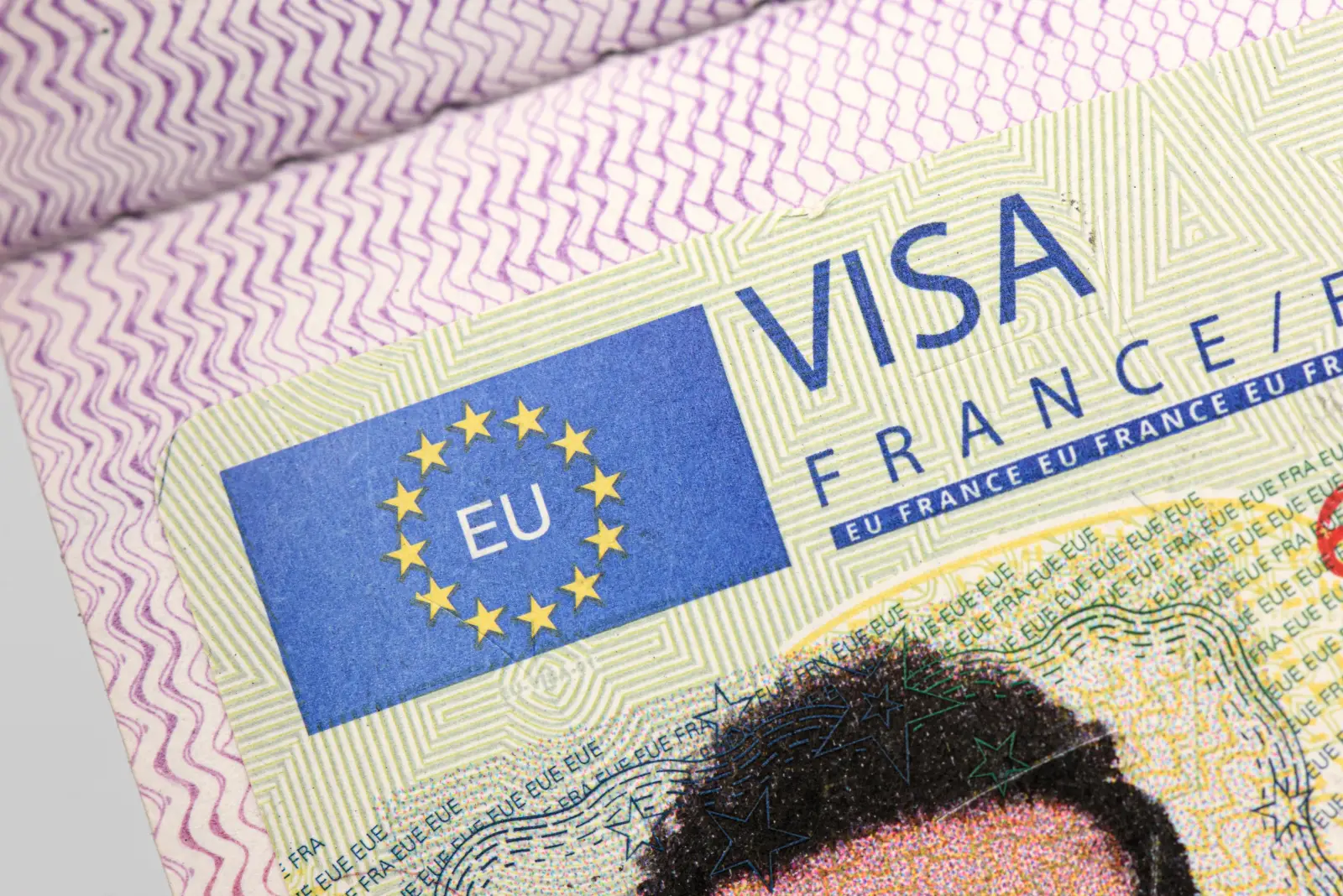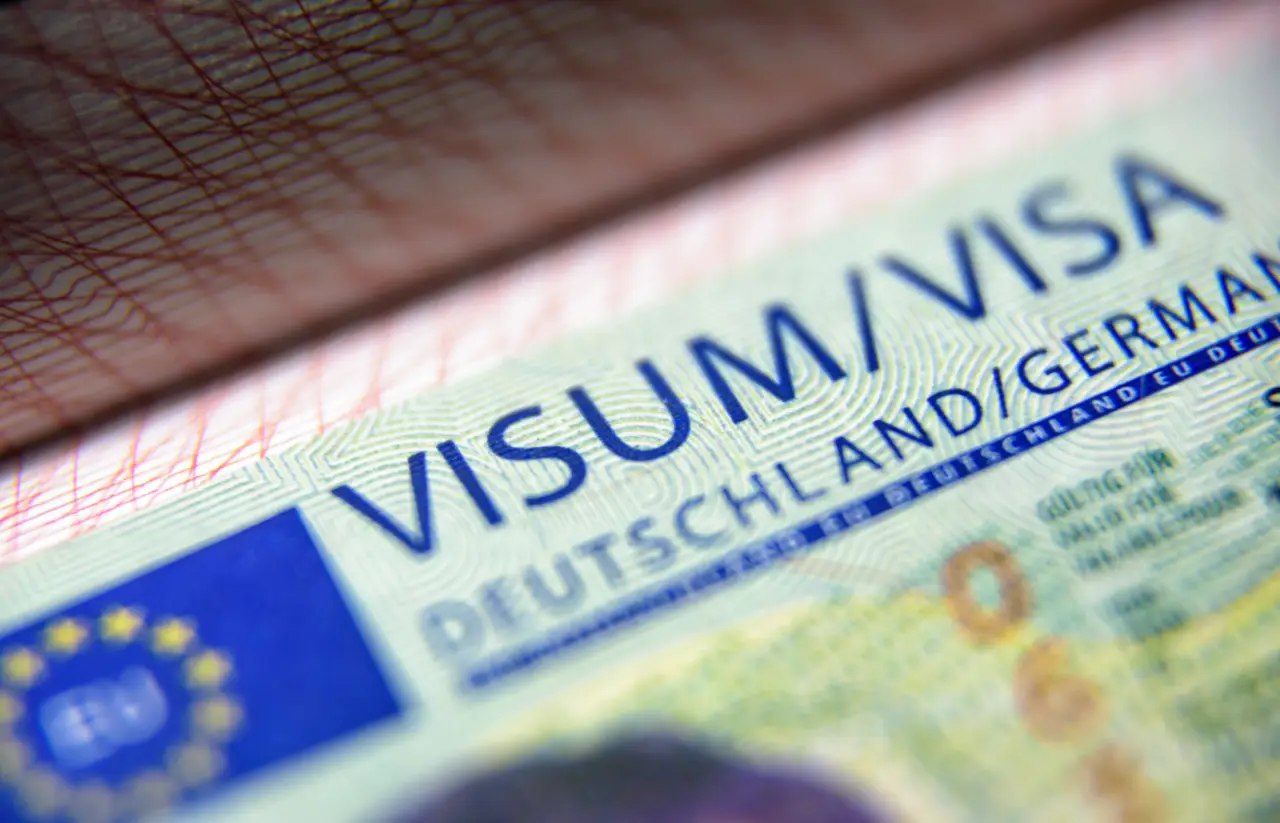
For many travelers dreaming of a European getaway, the toughest part is no longer choosing a destination—it’s securing the visa that gets them there.
Across Türkiye, applicants seeking Schengen visas are facing mounting costs, months-long waits, and allegations of a black market operating around appointment slots.
According to reports from Turkish media, appointment bookings for Schengen visa applications have become increasingly difficult to obtain, with some slots allegedly being resold through intermediaries for between €250 and €5,000. Even those who manage to secure a time through official systems say there is no guarantee of approval, with many receiving only three- to five-day visas despite applying for longer stays.
Rising Costs and Growing Frustration
The Schengen visa, which grants entry to 29 European countries including Germany, France, and Italy, has long been a gateway for Turkish travelers to Europe. But what was once a routine process has turned into a source of frustration for students, business travelers, and tourists alike. Applicants report waiting up to a year for an appointment—only to be granted short-term visas that barely cover planned trips.
The allegations focus on Türkiye’s visa application intermediaries, including third-party companies that process applications on behalf of European consulates. Media outlets claim that limited appointment slots are being redirected into informal markets, where they are offered under “Gold,” “Platinum,” or “VIP” categories for hefty fees. Despite the extra payments, these appointments do not come with any visa guarantees.
A report by Sözcü journalist Ali Gülen noted that the German Embassy in Ankara has yet to resolve the backlog, with online advisories continuing to cite “high demand and processing delays.” These notices, some of which have been unchanged for several years, suggest that the system’s strain predates the current surge in travel demand.
Travel Dreams on Hold
While European consulates say they are working to manage heavy demand, the growing perception among Turkish travelers is that access to Europe is becoming increasingly restricted and unequal. The broader discussion about visa liberalization between Türkiye and the EU, once a hopeful diplomatic goal, has largely faded from the agenda.
For now, travelers are left navigating a system many describe as opaque and expensive. As one travel consultant told local outlets, “It’s not just about the paperwork anymore—it’s about luck.” For thousands hoping to visit Europe, that uncertainty has turned a simple trip into a long and costly ordeal.