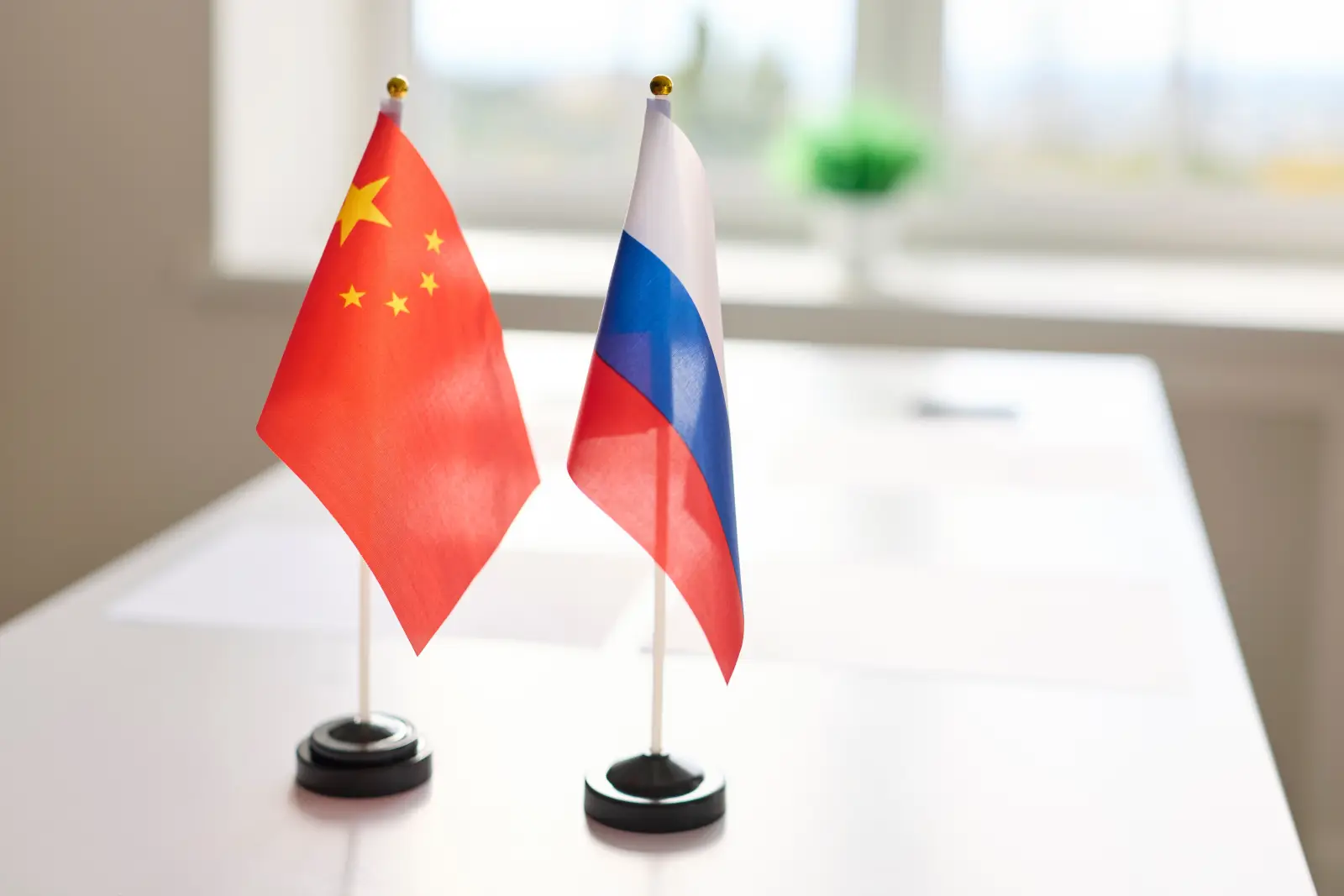
China has extended its visa-free travel arrangement for Russian citizens until 31 December 2027, keeping the current 30-day stay limit in place and giving travellers between the two countries a longer planning horizon. The announcement came during Russian President Vladimir Putin‘s state visit to Beijing.
The extension was confirmed by Chinese foreign ministry spokesperson Guo Jiakun at a regular press conference on 20 May 2026. He said the move was intended to continue facilitating cross-border travel and to support people-to-people exchanges between the two countries.
Russia moved quickly to match the decision. Kremlin spokesman Dmitry Peskov said later the same day that Moscow would also extend its reciprocal visa-free regime for Chinese nationals through 2027, describing the arrangement as having proven highly effective.
Under the updated rules, holders of ordinary Russian passports can continue to enter China without a visa for stays of up to 30 days. The exemption covers a broad range of purposes, including business, tourism, family visits, cultural and educational exchanges, private visits and transit.
The waiver was first introduced by China as a one-year unilateral trial on 15 September 2025 and had been due to expire in September 2026. The new deadline pushes that horizon back by more than a year, removing uncertainty over when the scheme would end.
The policy has had a clear effect on traveller numbers. According to China’s National Immigration Administration, inbound arrivals from Russia topped 1.12 million in the January to April 2026 period, already around 85 percent of 2019 levels.
Traffic in the other direction has risen too. Chinese citizens accounted for more than half of the 1.64 million foreign tourists who visited Russia in 2025, and the number of Chinese tourists rose by 23.8 percent year-on-year in the fourth quarter after the visa-free regime took effect.
The decision followed talks between Putin and Chinese President Xi Jinping in Beijing. The two leaders marked the 30th anniversary of the China-Russia strategic partnership and agreed to continue extending their Treaty of Good-Neighborliness and Friendly Cooperation.
The extension is the latest sign of deepening ties between the two countries, which have expanded cooperation across trade, energy and transport in recent years. Both governments have increasingly used eased travel rules as a visible tool to encourage business, tourism and diplomatic contact.
For the travel industry, the longer timeframe offers stability. Airlines, tour operators and hotels serving routes between major cities in both countries now have a multi-season planning window rather than facing the prospect of the scheme lapsing in 2026.
It is worth noting that Russian citizens now sit on a separate timeline from many other nationalities. China’s broader unilateral visa-free policy for citizens of numerous European and other countries currently runs until 31 December 2026, while the Russia arrangement reaches a year further. Travellers who wish to stay longer than 30 days, or who are visiting for purposes not covered by the exemption, still need to apply for a visa before departure.
Photo Credit: Studio Romantic / Shutterstock.com