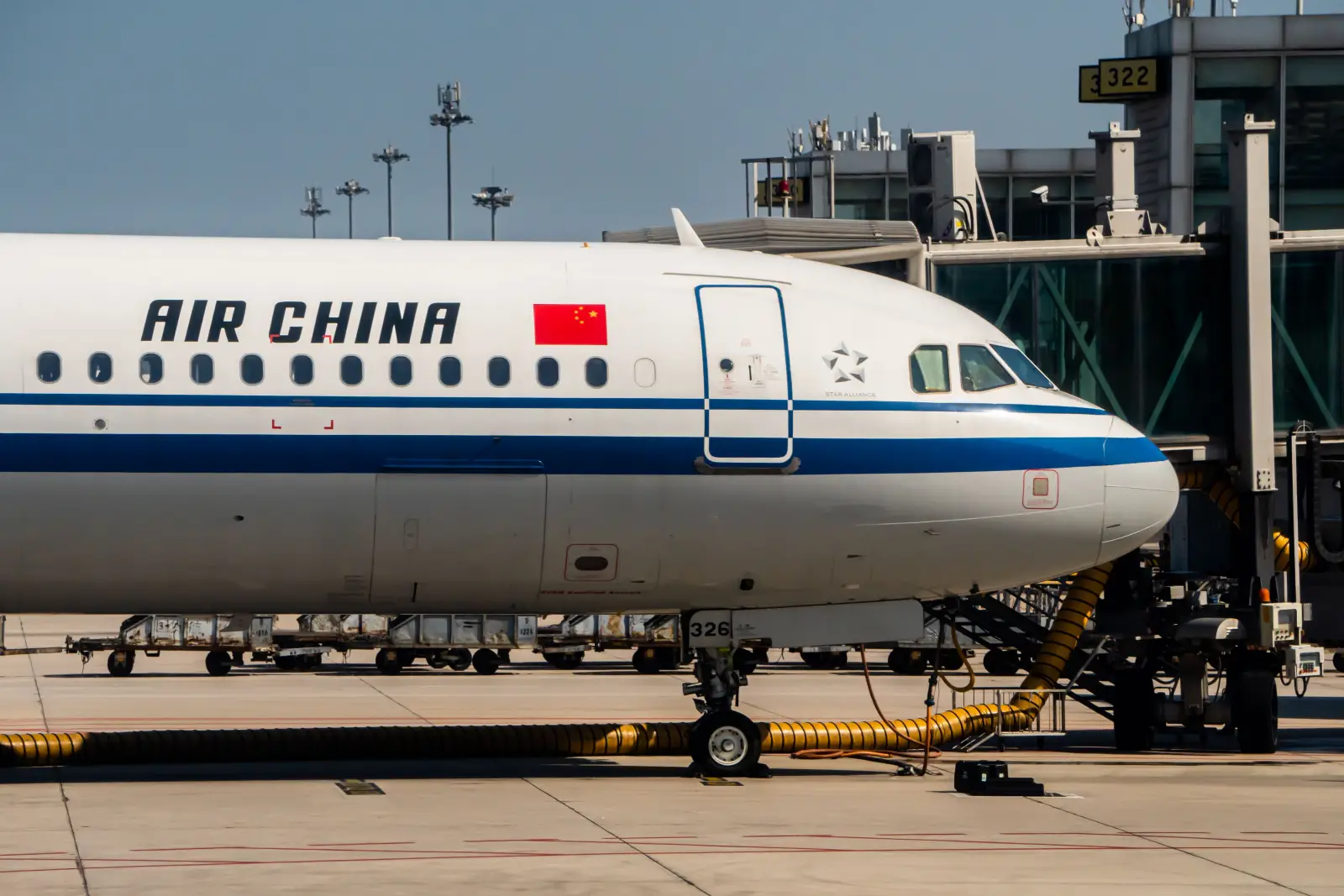
China is on track to reclaim its position as the world’s largest outbound travel market, with spending forecast to surge by 22.5% to nearly $280 billion in 2026, surpassing the United States.
China is also a major force in business travel, ranking second worldwide with $192 billion in spending, reinforcing its global influence across corporate segments, according to the new 2026 Economic Impact Research data from the World Travel & Tourism Council (WTTC)
In 2025, China welcomed more than 68 million international visitors, marking a 15.5% year-on-year increase, nearly three times the global growth rate of 5.4%, while international visitor spending rose by 10.5% to $135 billion, exceeding pre-pandemic levels and significantly outperforming the global average growth of 3.2%. The country recorded an additional nine million arrivals compared to 2024, representing the largest increase globally.
International visitors to the U.S. dropped by millions recently, falling to 68 million arrivals—a decline of 5.5% and 4 million fewer tourists than the previous year. This downturn has resulted in billions of dollars in lost spending, defying global trends where international travel overall surged. Aside from the collapse in travel during the COVID-19 pandemic, it represents the sharpest annual drop in international tourism in roughly 20 years.
Strong visitorship driven by progressive policies and innovation

China’s strong performance is having a significant impact, with China’s wider tourism sector continuing to outperform regionally, expanding by 9.9% in 2025 to reach $1.8 trillion, more than double the global growth average of 4.1%. China is also playing a central role in propelling Asia-Pacific to become the fastest-growing tourism region in the world, achieving 8.1% growth.
The recovery is being driven by a combination of progressive policy reforms and technological innovation.
Expanded visa facilitation measures now cover more than 50 countries, offering visa-free stays of up to 30 days and extended transit stays of up to 10 days. Since 2020, arrivals from visa-exempt markets have increased fivefold, including an additional 18% growth in 2025 alone.
At the same time, China is enhancing the visitor experience through seamless travel initiatives, including the rollout of biometric systems at entry points and the widespread adoption of advanced digital payment platforms, enabling a smoother end-to-end journey for international travellers.
Investment in air connectivity and high-speed rail infrastructure is further strengthening accessibility, improving connections between major international gateways and secondary cities, and supporting a more balanced distribution of tourism flows across the country.
In parallel, large-scale development of new tourism zones, cultural attractions, and theme parks is diversifying China’s tourism offering and reinforcing its global competitiveness, underscoring the sector’s growing role as a driver of economic diversification, regional development, and job creation.
China to generate one in five new global tourism jobs by 2036
Growth is set to remain strong, with a projected 5.3% increase in 2026 and an average annual growth rate of 6.5% over the next decade. By 2036, the sector is expected to nearly double in size to $3.5 trillion, underlining its long-term strategic importance.
Employment remains central to this growth story, with tourism supporting 84.6 million jobs in 2025 and expected to exceed 103 million by 2036, accounting for one in every five new tourism jobs globally during the next decade.