Foreign tourist arrivals to China surged in 2025, with spending rising by 40% year on year, China’s Minister of Culture and Tourism Sun Yeli said, as reported by CGTN.
Inbound tourist trips exceeded 150 million last year, up 17% year on year, while spending topped US$130 billion. Among them, more than 30 million foreign visitors entered China visa-free, Sun said.
China continues to expand its unilateral visa-free policy, which now covers 50 countries. A spontaneous trip to China has become very realistic, he added.
Mobile payments have become part of foreign visitors’ travel experience. Spending via mobile payments by inbound tourists reached 80 billion yuan (about US$11 billion) in 2025.
China has introduced a range of measures to facilitate payment and shopping for foreign visitors, including allowing international bank cards to be linked to domestic mobile payment apps, enabling the use of overseas e-wallets in China, and expanding currency exchange and tax-refund points for departing travellers.

China’s tourism sector is also booming, with domestic trips and spending throughout 2025 and during the Spring Festival or Chinese New Year holiday that ushered in the Year of the Horse hitting record highs.
The nine-day Spring Festival holiday saw 596 million domestic trips made and spending exceeding 800 billion yuan (about US$110.47 billion). For the full year 2025, domestic travel volume surpassed 6.5 billion trips, up over 16% year on year, with total expenditure reaching 6.3 trillion yuan (roughly $875 billion), a 9.5% increase.
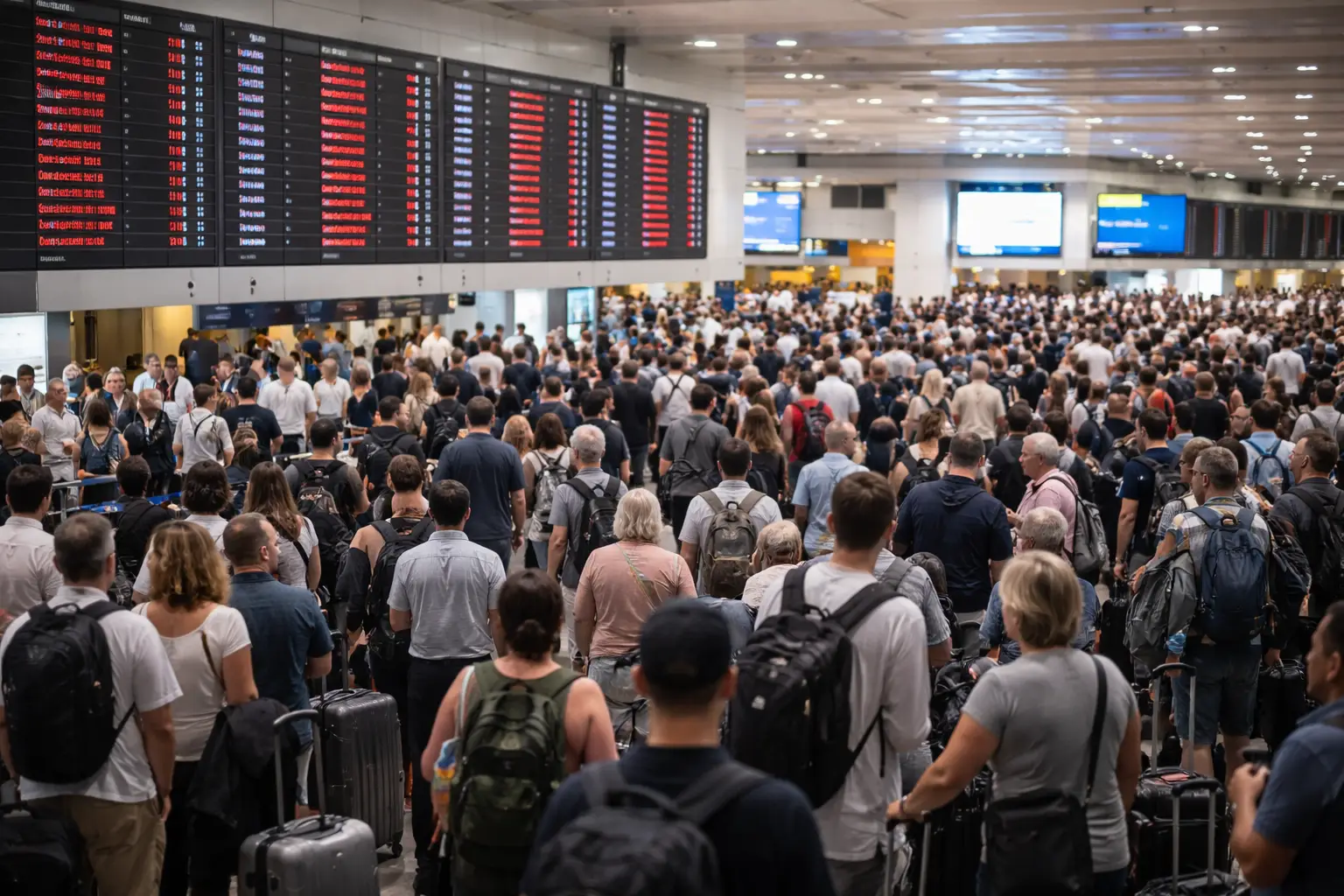
The 40-day Spring Festival travel rush, from 2 February to 13 March, saw about 9.5 billion cross-regional passenger trips made, effectively averaging more than one journey for every person on Earth, which CGTN reported on. Xinhua news agency reported that this figure was up by 4.3% from 2025.
Empowering tourism with culture

The cultural sector also showed robust growth, with revenue of enterprises above the designated size in culture and related industries hitting 15 trillion yuan (about US$2.1 trillion) in 2025, up 7.4%, while total profits reached 1.4 trillion yuan (around US$194 billion).
The “experience economy” is gaining momentum, said Sun, adding that the underlying logic of the experience economy is empowering tourism with culture. China will push forward with the deeper integration of culture and tourism, creating new cultural brands that combine performances and sporting events with travel experiences.
Intelligent technology is also key to nurturing the tourism sector, with efforts underway to stimulate new formats, scenarios, products and models to upgrade traditional tourism, Sun said.
On cultural production, Sun said the focus should be on improving the quality and originality of artistic works while embracing new technologies. The rise of large AI models has lowered barriers to artistic creation and could spur new forms of internet-based popular culture and broader public participation.
Moreover, tourism authorities will step up oversight to curb irregularities such as false advertising and forced consumption.
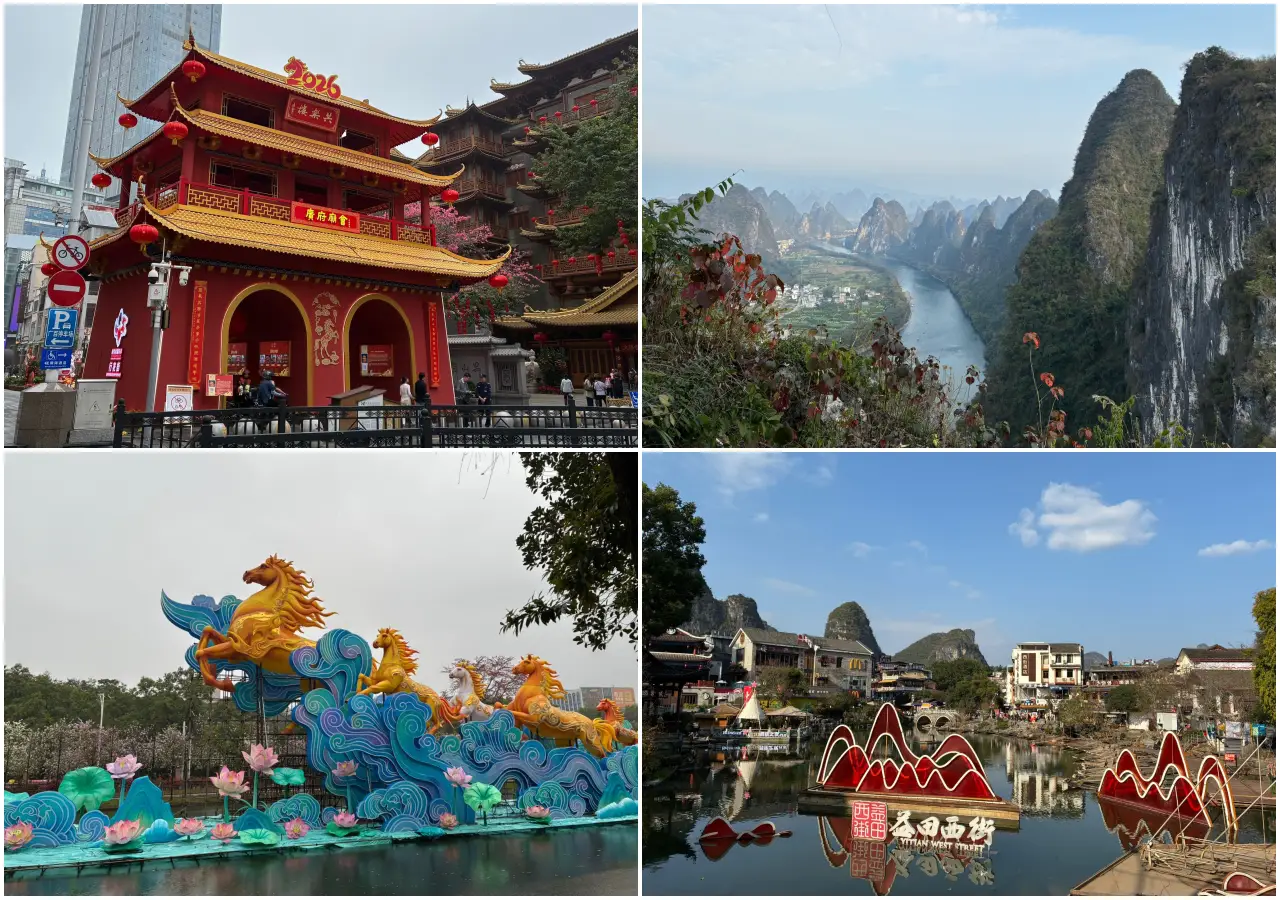
Popular activities include traveling by high-speed train, watching drone displays, and trying traditional Chinese medicine massages. Wearing Hanfu attire and eating hotpot have also become “must-try” experiences for many international visitors, he added.
Photo credit: Milly Tan