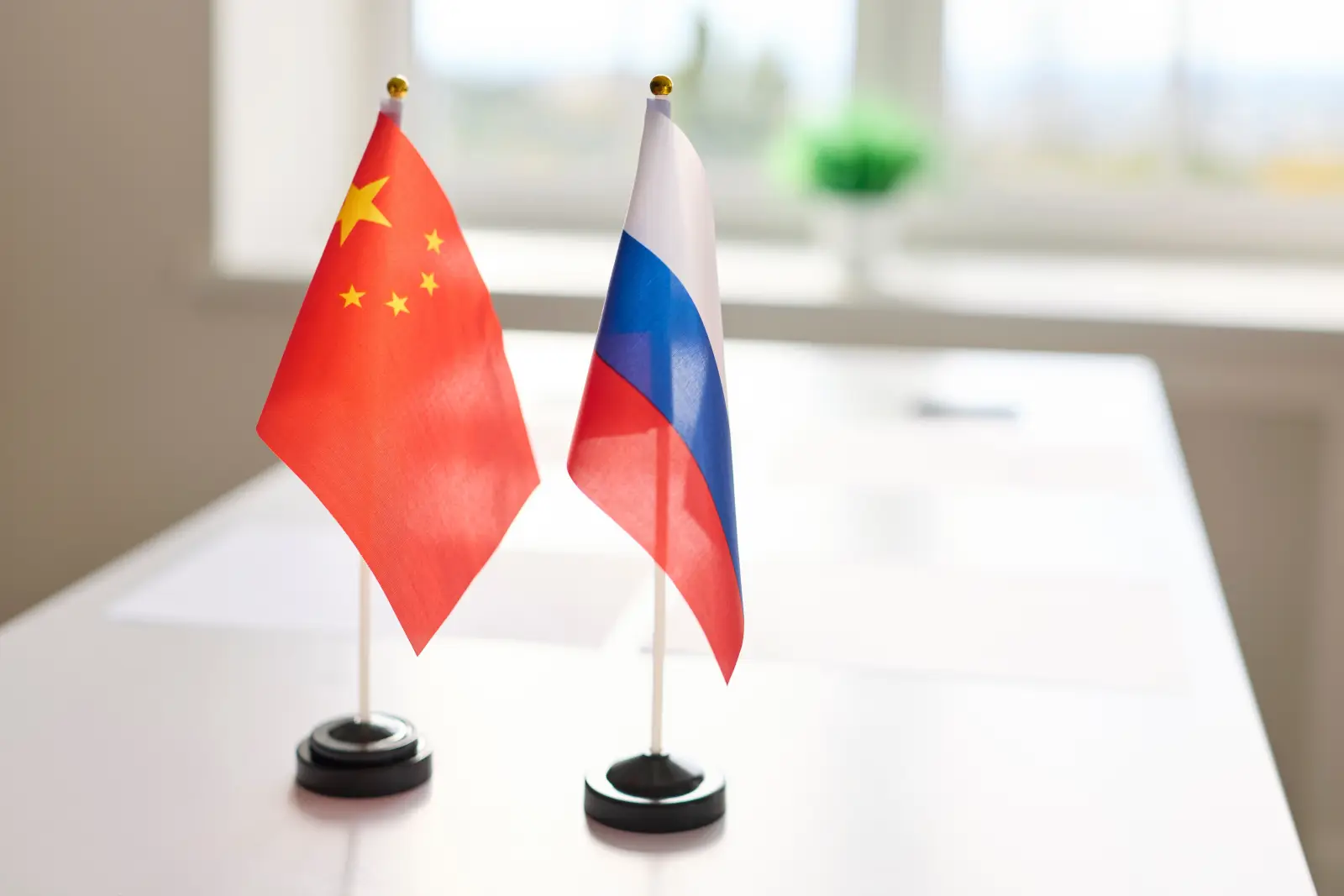
Russian citizens are continuing to travel visa-free to China under an ongoing trial scheme, while Saudi Arabia is set to introduce a reciprocal visa exemption agreement with Russia from May 11, 2026. The China policy currently allows stays of up to 30 days and may be extended until September 2027 if both sides agree. The upcoming Saudi agreement forms part of broader efforts to boost tourism and economic ties.
Demand for travel to China from Russia has surged under the visa-free regime, with tour bookings in 2026 nearly doubling year-on-year. At the same time, Saudi Arabia is opening its doors to Russian travellers as part of its Vision 2030 strategy, which targets 100 million international visitors annually by the end of the decade.
The visa-free arrangement between Russia and China, currently operating in a test format, has significantly increased tourism flows between the two countries. Russian outbound business travel to China rose by 27% in 2025, reflecting stronger economic links alongside tourism growth. Authorities are considering extending the scheme on a yearly basis rather than making it permanent, citing concerns over illegal migration risks.
Russian tourists are showing growing interest in destinations such as Beijing, Shanghai, Hainan Island, Guangzhou and Hong Kong. Hainan, in particular, has emerged as a leading beach destination, with Russian visitor numbers rising by 120% in 2025 to exceed 500,000.
Despite the growth, travellers continue to face practical challenges. Language barriers remain a key issue, with limited English widely spoken. Payment systems also differ, as local platforms such as WeChat Pay and Alipay dominate, while Russian bank cards are often not accepted.
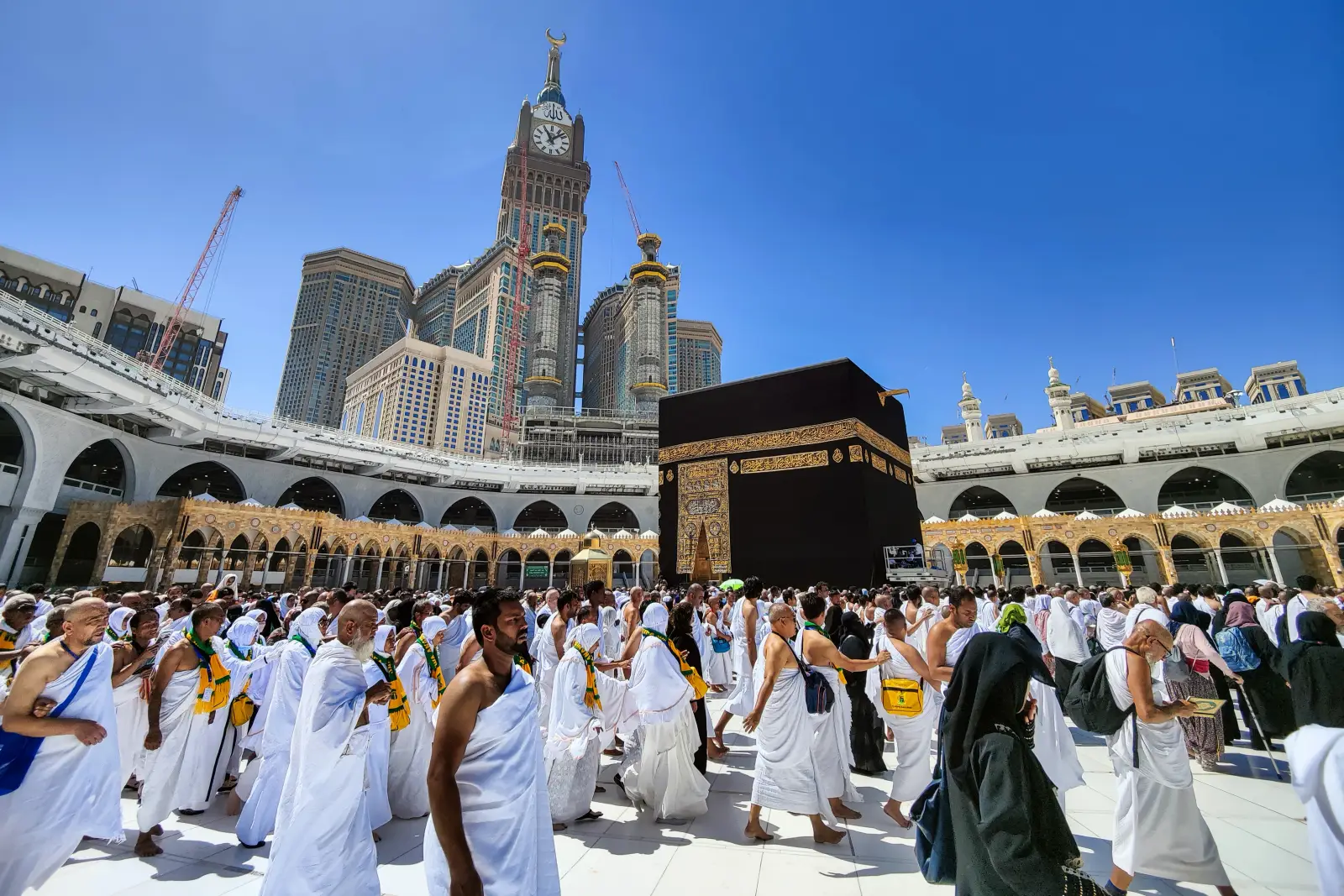
Meanwhile, Saudi Arabia is positioning itself as a new destination for Russian travellers, supported by large-scale tourism investments under its Vision 2030 programme. Projects such as the Red Sea Project and futuristic developments like Shebara are designed to attract international visitors, alongside the expansion of luxury hotel offerings.
However, industry representatives suggest that Russian tourist numbers to Saudi Arabia may remain limited in the near term. The destination is generally considered more complex and costly than alternatives, with additional expenses linked to domestic flights, guided tours and transfers.
“Riyadh, Jeddah, the Edge of the World canyon and the Al-Ula region must be seen. Travel is more expensive because of domestic flights, guides and transfers. When you compare similar hotels, Saudi Arabia can be 15–20% more expensive than Dubai.” said Dmitry Arutyunov, Founder of Art Tur.
“At most 40,000 to 60,000 Russian tourists visit each year. Half a million will never happen. Its biggest competitor is the UAE. In Dubai, women can dress freely and alcohol is widely available. In Saudi Arabia, women are expected to dress more conservatively, alcohol is banned and it is more expensive. The flight network is also limited, with departures from only a few airports compared to many more in the UAE.” said Aleksan Mkrtychev, Vice President of the Russian Tourism Agencies Association.
Saudi Arabia also maintains strict social rules that may influence traveller decisions, including expectations around dress codes and a nationwide ban on alcohol. These factors, combined with pricing and connectivity limitations, may affect its competitiveness compared to established destinations such as the United Arab Emirates.
For Saudi travellers, however, visa-free access to Russia is expected to have a stronger impact. The country ranked second after China in tourist arrivals to Russia last year, with visitors drawn to winter experiences such as snow activities and dog sledding, as well as landmarks including Moscow, St. Petersburg and Lake Baikal.
Officials aim to further increase inbound tourism from China, targeting 5.5 million visitors annually by 2030 through expanded infrastructure and increased flight capacity.