A coalition of 13 private-sector tourism and business organisations in Thailand’s Andaman region has called on the government to urgently review a decision to end visa-free entry for Indian tourists, warning that the country risks losing more than 8 billion baht ($235–240 million USD) in wedding and group travel revenue if the policy is not revised before the upcoming high season.
The petition was submitted to the Minister of Tourism and Sports and the governor of the Tourism Authority of Thailand (TAT). It was signed by the Thai Hotels Association Southern Chapter, chambers of commerce, the Federation of Thai Industries, the Tourism Council, and hotel associations across Phuket, Phang Nga and Krabi.
The petition follows a Cabinet resolution passed on May 19, 2026, under Prime Minister Anutin Charnvirakul, which approved a review of Thailand’s visa-exemption measures as proposed by the Ministry of Foreign Affairs. Under the revised policy, Indian visitors who had previously enjoyed 60-day visa-free access will now be required to obtain either an e-visa or a Visa on Arrival, ending an arrangement that had been in place for the past two years.
Thaneth Tantipiriyakij, president of the Phuket Tourist Association, said the private sector understood the government’s reasoning for tightening visa rules to prevent misuse, but warned that the impact on legitimate high-value tourism segments, particularly destination weddings and MICE (meetings, incentives, conventions and exhibitions) travel from India, could be severe and long-lasting.
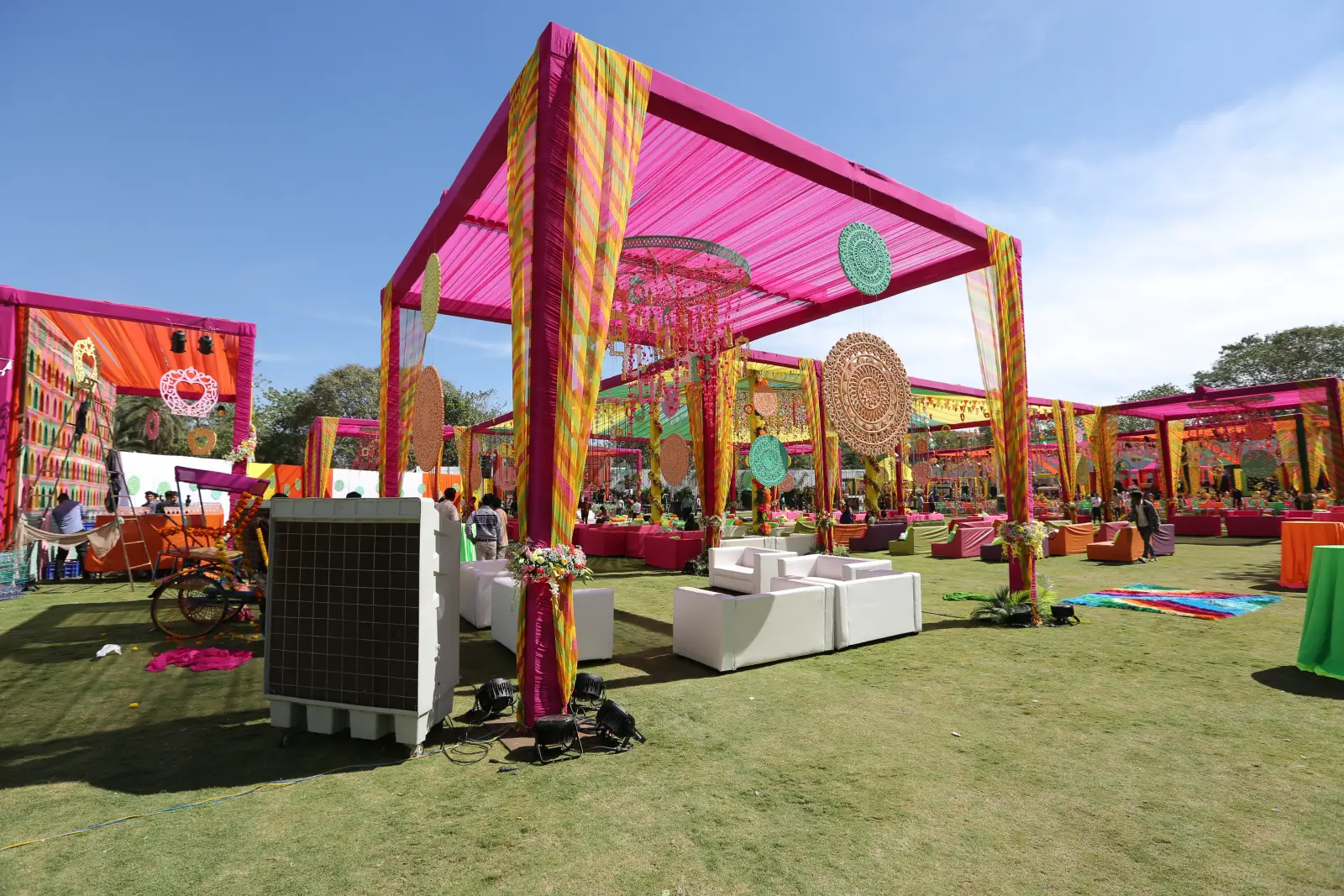
The central concern is not the visa requirement itself but the 2,000-baht Visa on Arrival fee, which industry groups say will act as a deterrent for large Indian wedding parties that travel as a group, stay for five to seven days, and spend across a wide range of services. Records from 2023 to 2025 show that approximately 600 Indian couples held weddings across the three Andaman provinces, each event drawing between 350 and 500 guests and collectively generating more than 8 billion baht in revenue for hotels, event organisers, spas, hospitals, beauty clinics and restaurants.
The Indian tourist market has been one of Thailand’s strongest growth segments in recent years. Arrivals rose from 2.2 million in 2024 to more than 2.5 million in 2025, and the country is targeting over 3 million Indian visitors in 2026. Phuket, Krabi and Phang Nga have become established centres for Indian destination weddings, which are recognised as among the highest-spending events in the premium travel category.
Wichupan Phukaoluan Srisanya, president of the Thai Hotels Association‘s southern chapter, said wedding plans are typically finalised four to six months in advance, meaning that groups preparing ceremonies for the October 2026 to March 2027 peak season are already watching the visa situation closely. She warned that if the visa fee became an obstacle, organisers would shift to competing destinations, causing Thailand to permanently lose revenue from this segment.
Industry leaders also noted that the concern extends beyond weddings to the wider MICE sector, where Thailand has worked to position itself as a premium meetings and events destination. Any policy that adds cost or uncertainty for Indian corporate and incentive groups could have ripple effects across the hospitality and events industry in the Andaman provinces.
The 13 organisations have put forward a set of concrete proposals to the government. These include restoring a visa exemption of at least 30 days for Indian tourists, or at minimum waiving the 2,000-baht Visa on Arrival fee entirely. They have also called for the e-visa application process to be accelerated and simplified, and for a dedicated immigration lane to be established for group wedding visas. Under the proposed Group Wedding Visa scheme, wedding organisers and guests would be able to receive approval within three working days of submitting an application.
The groups have also urged the Ministry of Foreign Affairs and the Tourism Authority of Thailand to open formal negotiations with Indian counterparts on a permanent bilateral visa exemption agreement, with a target of reaching an agreement by the third quarter of 2026.
The private sector has asked the government to announce a decision in July so that the market can be informed well ahead of the peak travel period. Industry leaders say clarity and speed are essential, as uncertainty over entry requirements is already causing some wedding organisers to consider alternatives in competing destinations across Asia.
Photo Credit: Mayur_Mehta / Shutterstock.com