Tourist encounters with elephants in Thailand have again drawn scrutiny over animal welfare, as concerns grow around how the country markets one of its biggest wildlife attractions.
At the Royal Kraal Village in Ayutthaya province, one of Thailand’s best known elephant sites, staff are presenting a different model based on visitor programmes and long-term care. The attraction says the aim is to balance tourism with the welfare of the animals.
American mahout Lexi Zamrzla has worked at the village for 8 years and shares her experience of caring for elephants there. General manager Ittipan Kharwlamai also examines the debate in historical and cultural terms, as pressure mounts on the wider industry to show that elephant tourism can be more sustainable.
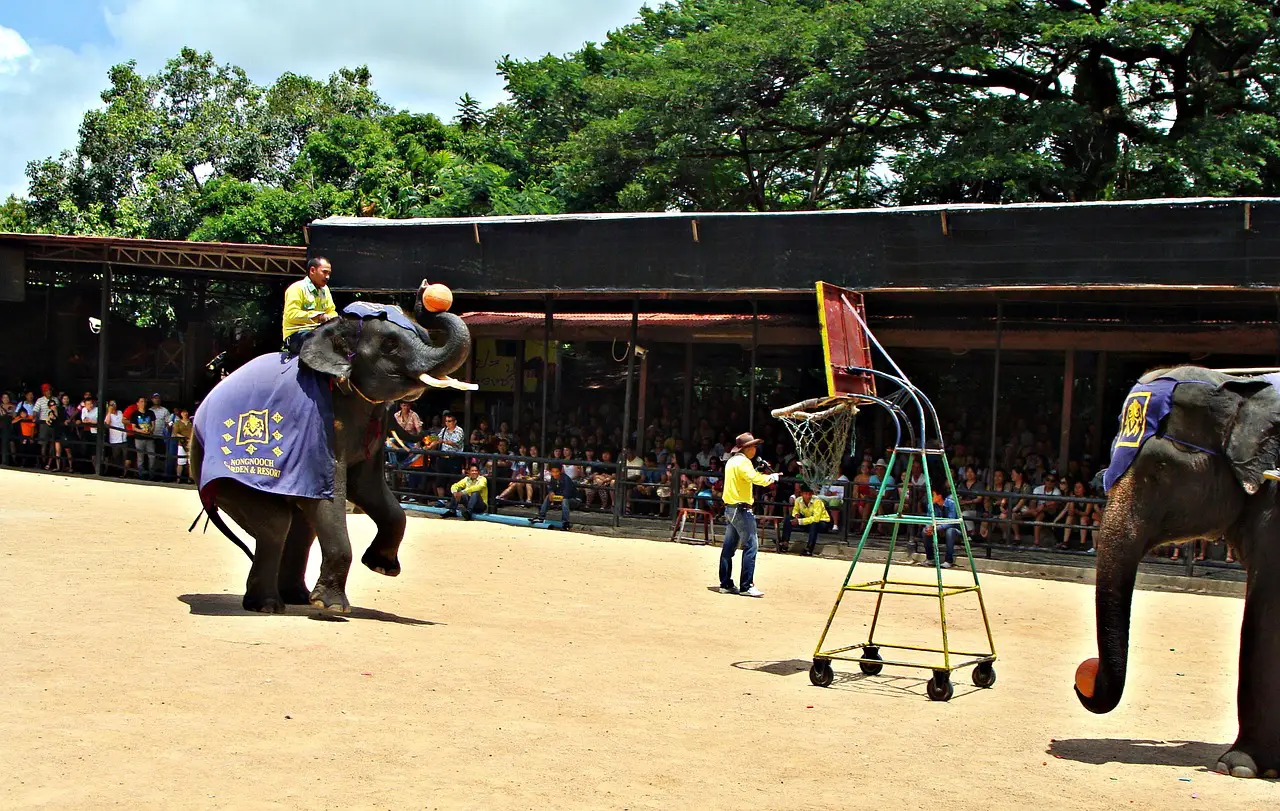
Footage of tourists interacting closely with elephants has frequently prompted criticism from campaigners, who argue that some attractions put entertainment ahead of animal well-being. In Thailand, where elephant tourism is a major draw for international visitors, that criticism has intensified as travellers increasingly ask how animals are treated.
The Royal Kraal Village is among the country’s more familiar elephant attractions, and its approach reflects a wider effort by some operators to reposition the experience. Rather than focusing only on rides or performances, the village is promoting visitor programmes that highlight care, observation and education.
That shift comes as tourism businesses across the region face growing pressure to prove that wildlife experiences are ethical. For operators, the challenge is not only to protect animal welfare, but also to respond to changing customer expectations and reputational risks.
Thailand’s elephant industry has long been tied to the country’s cultural identity and tourism economy. But the popularity of close-contact activities has made it a frequent target for criticism from animal welfare groups, who say images of people touching, feeding or riding elephants can mask poor treatment behind the scenes.
Supporters of more sustainable models argue that responsible tourism can still support conservation and local livelihoods. They say better standards, more transparency and a stronger focus on the animals’ needs are essential if elephant attractions are to remain viable.
At Ayutthaya, the debate is being framed through both daily care and longer-term heritage. Staff are trying to show visitors that elephant tourism does not have to depend on the same high-impact practices that have fuelled criticism elsewhere in the industry.
The question facing Thailand’s tourism sector is whether more attractions can make that transition. As scrutiny grows, operators are under increasing pressure to demonstrate that the welfare of the elephants comes first.