China’s biggest airlines are raising ticket prices and fuel surcharges on domestic routes after jet fuel costs soared in the wake of the US-Israel war on Iran, with analysts warning that the country’s major carriers face a combined net loss of 22 billion yuan ($3.2 billion) in 2026.
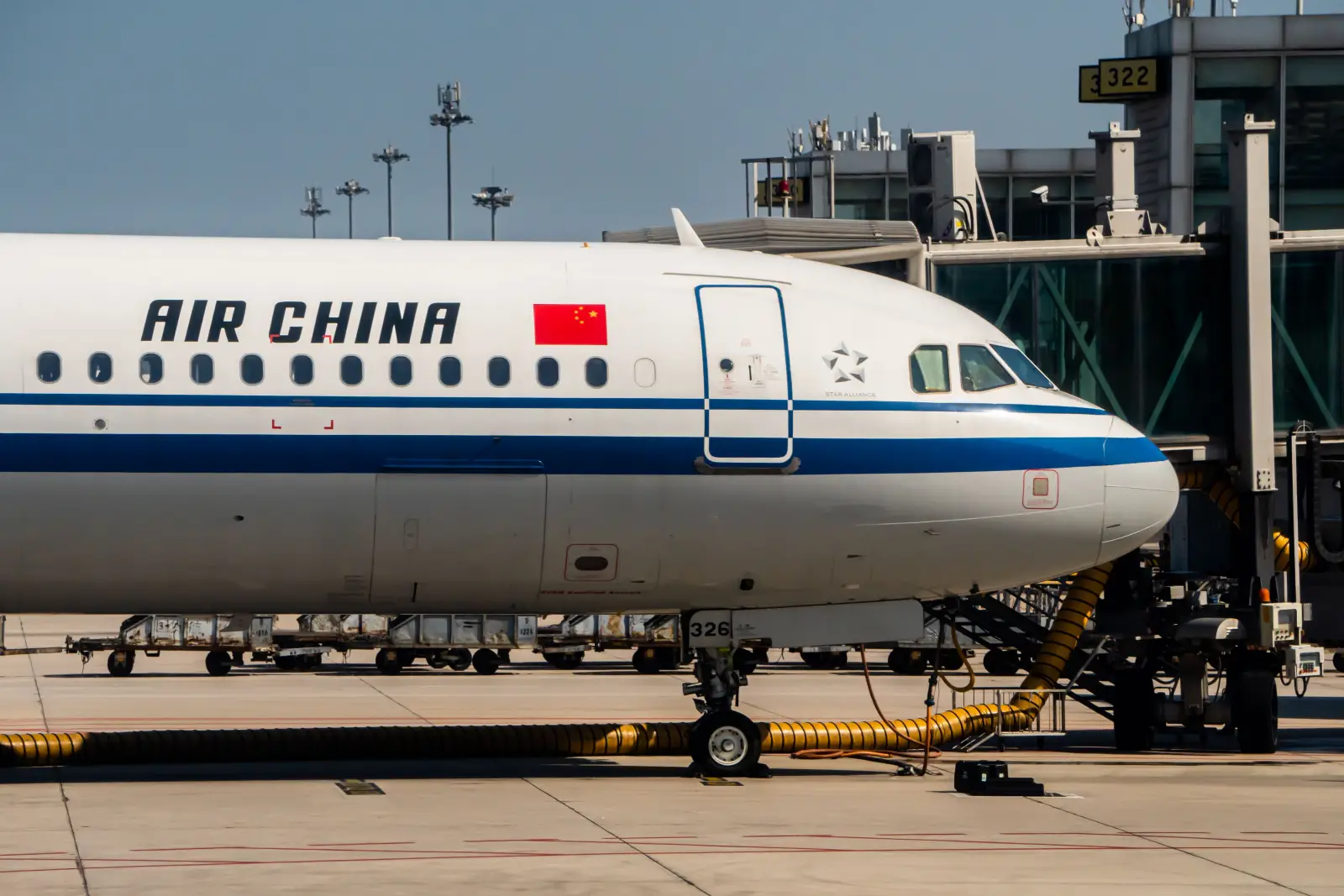
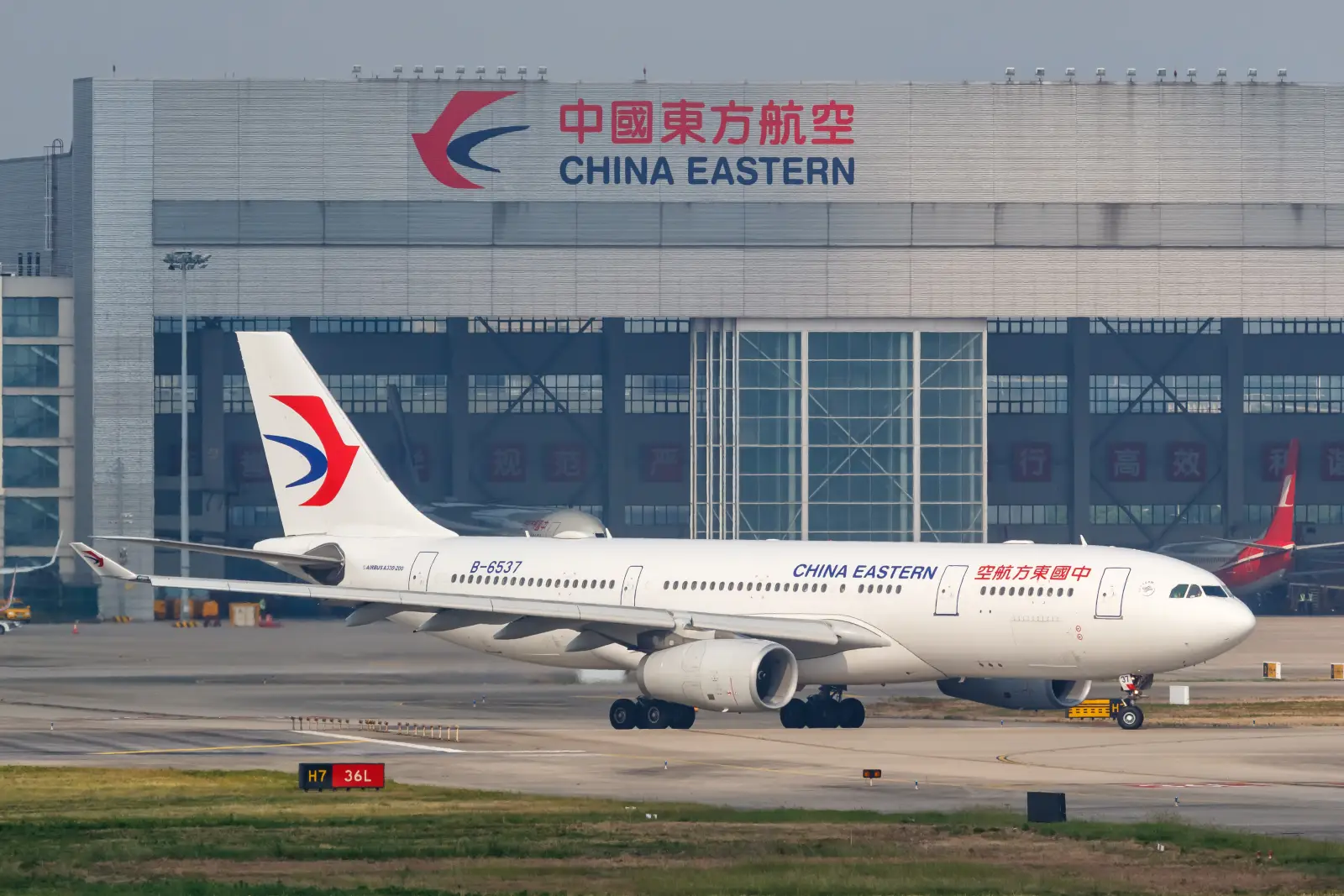
State-owned carriers Air China, China Eastern and China Southern Airlines, collectively known as the “Big Three,” returned to profit in the first quarter of 2026 after years of pandemic-era losses. That recovery has now been put in serious jeopardy by a prolonged surge in oil prices that Chinese carriers are structurally ill-equipped to absorb.
Two Rounds of Surcharge Increases Since April
The price pressure has built in two stages. Starting 5 April, Chinese airlines raised domestic fuel surcharges to 60 yuan on routes under 800 kilometres and 120 yuan on longer routes, a sixfold jump from the previous levels of 10 yuan and 20 yuan respectively.
A second, steeper increase took effect on 16 May. Short-haul surcharges rose to 90 yuan and long-haul surcharges climbed to 170 yuan, representing a further 50 percent and 42 percent increase on top of the April adjustment. Carriers including China Southern, Air China and Xiamen Airlines have all announced the latest round of increases. Passengers who purchased tickets before the new rates came into force are not affected and may travel at their original fare.
Jet Fuel Has More Than Doubled Since the War Began
The catalyst for the crisis was the US and Israeli attack on Iran on 28 February 2026. Jet fuel prices, which had been trading at around $85 to $90 per barrel before the strikes, surged to between $150 and $200 per barrel in the weeks that followed, an increase of more than 80 percent. The conflict also prompted Iran to restrict traffic through the Strait of Hormuz, a waterway through which roughly 20 percent of the world’s oil and natural gas normally passes, further tightening global supply.
Cathay Pacific chief executive Ronald Lam said in March that the cost of fuel had already doubled compared with the average of the two preceding months, prompting the Hong Kong carrier to raise its own surcharges by around 105 percent across all routes. AirAsia, Thai Airways, Qantas, Air France-KLM, Air India and SAS have all announced fare increases of their own.
Chinese Carriers Lack the Hedging Buffers Used by Global Rivals
The impact on Chinese airlines has been particularly severe because the country’s carriers hedge little of their fuel purchases. While many international airlines lock in a portion of their fuel costs in advance to protect against price spikes, Chinese state-owned carriers have historically left most of their fuel exposure unhedged, leaving them vulnerable to sustained increases in oil prices.
Under Chinese civil aviation regulations, airlines can legally pass through up to 80 percent of fuel-price increases to passengers through surcharges. However, HSBC analysts estimate the Big Three are recovering only around 60 percent of their additional costs in practice.
“The fare increases required to fully offset higher fuel expenses are too large to be realistically achieved, particularly in a highly price-sensitive and competitive environment,” said Jason Sum, analyst at DBS Group Research.
Parash Jain, HSBC’s global head of transport and logistics research, said carriers are deliberately holding back from using their full legal allowance. “In practice, they often choose not to use the full allowance because doing so could materially weaken demand,” he said.
High-Speed Rail Compounds the Pressure
Chinese airlines also face a structural challenge that their international counterparts do not: direct competition from an extensive high-speed rail network that offers passengers a price-sensitive alternative on domestic routes. Analysts say this limits how aggressively carriers can raise fares without accelerating a shift of passengers to rail, particularly on shorter corridors where the travel time difference is modest.
The combination of soaring fuel bills and constrained pricing power on a price-sensitive domestic market has led HSBC to forecast that the Big Three will swing back into the red in 2026 despite their profitable start to the year.
A Global Ripple Effect on Airfares
The fare increases in China reflect a broader pattern across the global aviation industry. International average round-trip fares reached $1,097 on 20 April, a 42 percent increase from $774 recorded on 23 February, just before the Iran strikes began, according to data from Kayak. Domestic US average fares rose 19 percent over the same period.
Airlines have responded through a combination of approaches: direct fare increases, new or higher fuel surcharges, reduced schedules and higher baggage fees. Many carriers have also suspended routes to Middle Eastern destinations altogether due to security concerns.
For travellers in China and across the Asia-Pacific region, the near-term outlook points to higher fares on new bookings for as long as oil prices remain elevated. Analysts have not forecast a quick resolution to either the geopolitical conflict or the fuel cost pressure it has triggered.
China is one of the world’s largest outbound travel markets, and sustained fare increases from its biggest carriers have the potential to dampen regional travel demand across Asia, where price sensitivity is high and many leisure travellers compare the cost of flying closely against alternative transport options.
Top Photo Credit: Wirestock Creators / Shutterstock.com