Russia’s international aviation network has shrunk again, with the country expected to have direct flights to only 32 countries this summer after losing air links with 11 more destinations.
The latest cuts highlight the growing strain on Russian aviation more than four years after the invasion of Ukraine triggered sweeping western sanctions, airspace bans and aircraft supply restrictions.
According to the Russian travel industry association ATOR, the number of countries connected to Russia by direct flights has dropped by roughly 25% compared with last year, when Russian airlines still operated routes to 43 countries. Analysts say the figure is now about three times lower than the international network available during the Soviet era.
The latest destinations disappearing from Russia’s route map include Algeria, Cuba, Seychelles and Venezuela. Flights to Kuwait, Bahrain and Saudi Arabia have also been disrupted or suspended amid instability and airspace restrictions linked to tensions in the Middle East.
Direct services to Seychelles reportedly ended in May, while routes to Cuba and Venezuela have become increasingly difficult to maintain because of operational and fuel supply issues.
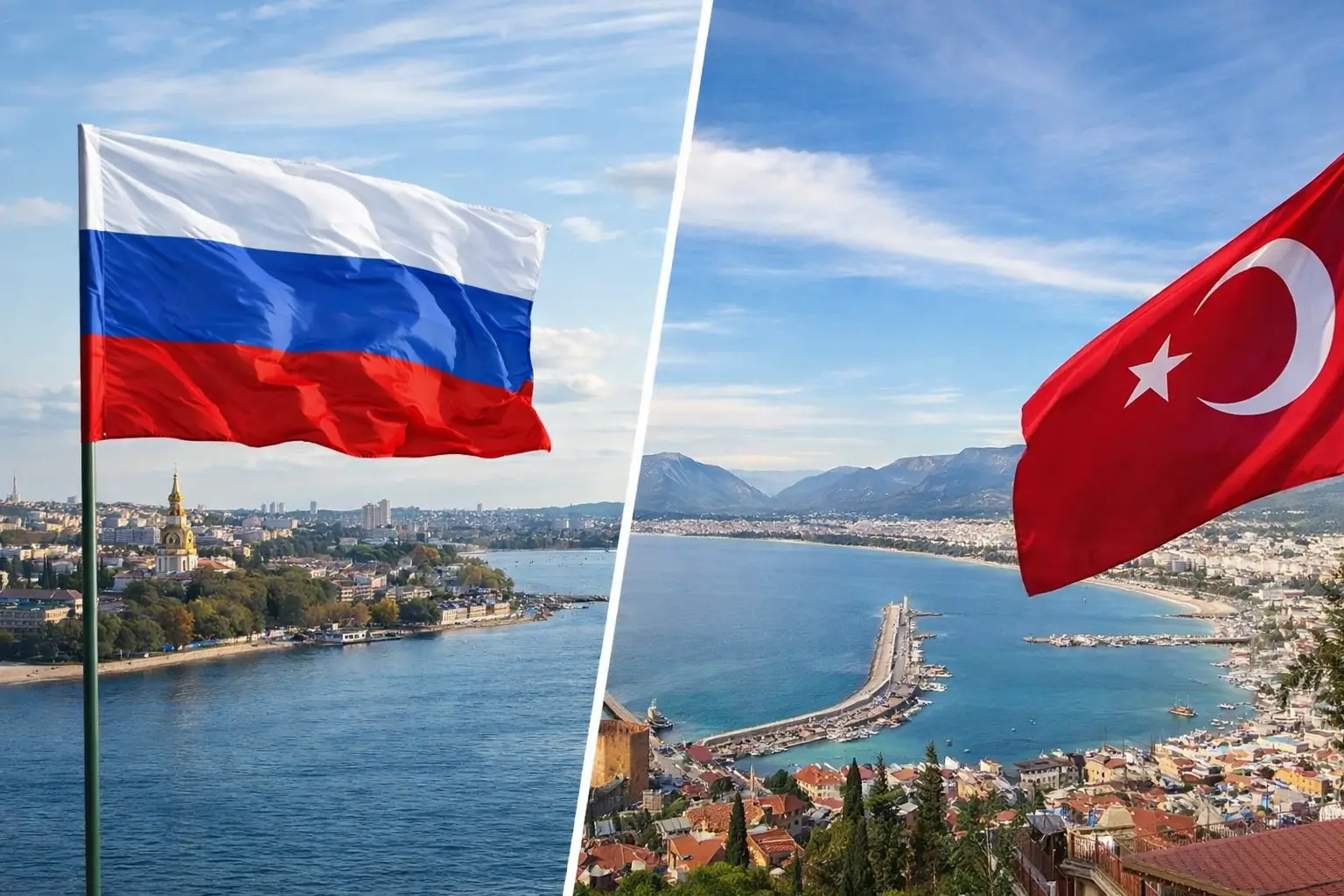
Despite the cuts, Russian travellers still retain access to several strategic aviation hubs, most notably Dubai and Istanbul. These cities have become crucial gateways for Russians travelling onward to Europe, Asia, Africa and the Americas.
Turkey and the United Arab Emirates now play an increasingly important role in maintaining Russia’s remaining international connectivity. Istanbul Airport and Dubai International Airport have effectively become transfer points for thousands of Russian passengers who can no longer fly directly to many western destinations.
Russian airlines also continue to operate flights to countries in the former Soviet sphere and politically aligned markets, including Armenia, Belarus, Kazakhstan, Kyrgyzstan, Mongolia, North Korea and parts of the Caucasus region.
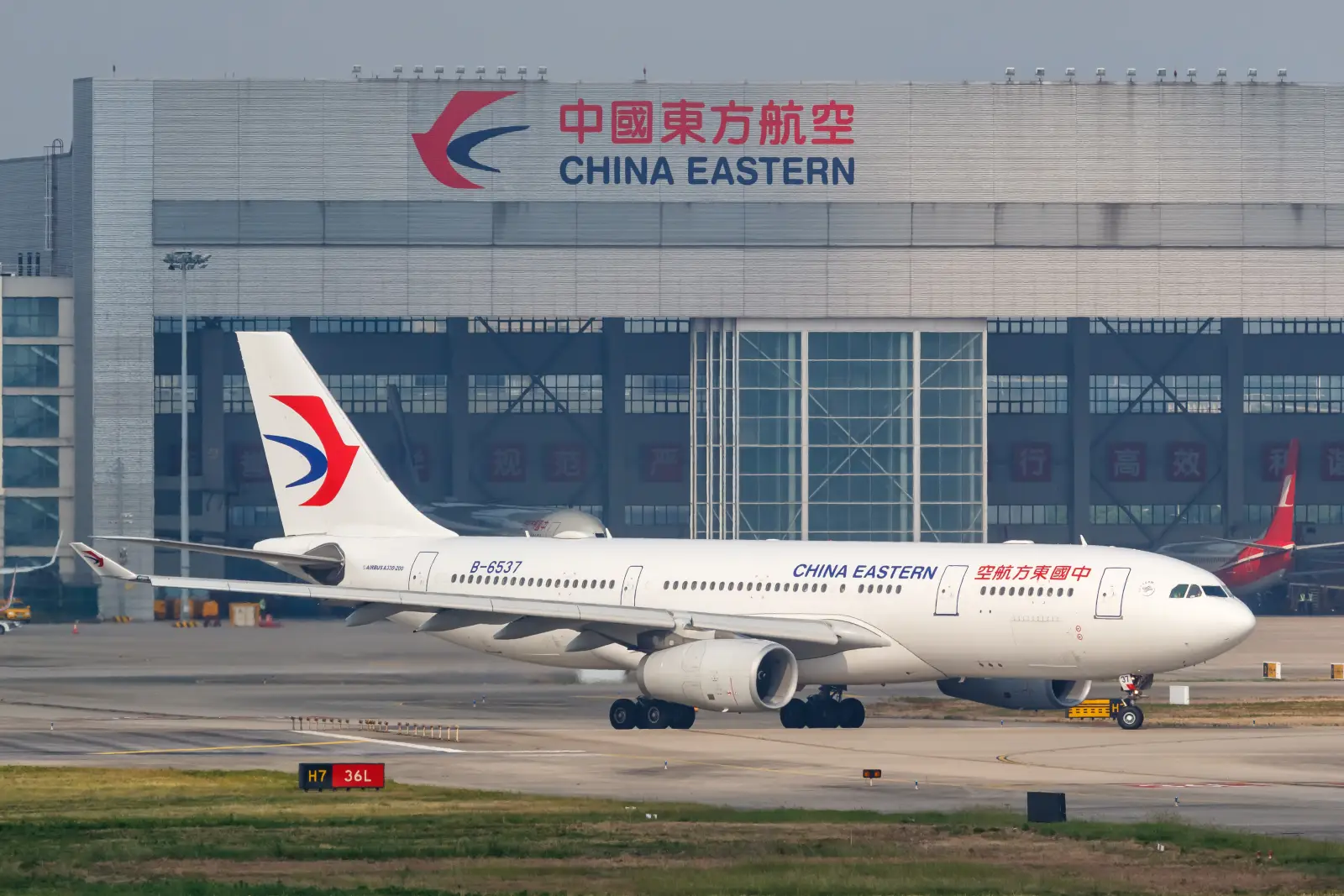
Other remaining destinations include China, India, Thailand, the Maldives, Egypt, Qatar, the United Arab Emirates and Serbia. However, industry observers note that many of these routes serve regional or leisure demand rather than the broader global business and tourism markets Russia once accessed directly.
The collapse of Russia’s international route network has been driven by several overlapping factors.
After the invasion of Ukraine in 2022, the European Union, the United States, the United Kingdom and several allied countries closed their airspace to Russian carriers. Moscow responded with reciprocal airspace bans. The restrictions forced airlines to reroute flights, increased operating costs and effectively cut Russia off from much of Europe and North America.
Western sanctions also blocked exports of aircraft, spare parts and maintenance support to Russian airlines. This created growing challenges for carriers operating fleets heavily dependent on Boeing and Airbus aircraft.
The European Commission’s sanctions package included bans on aircraft exports, technical assistance and aviation-related services for Russian operators. Aviation analysts say these measures continue to affect fleet reliability and long-term route planning.
Russia has attempted to offset the impact by expanding domestic aircraft production, but industry targets have repeatedly been delayed. Recent reports suggest the country has reduced commercial aircraft delivery goals because of supply chain problems and technological limitations.
At the same time, security risks linked to drone attacks and regional conflicts have added further complications to airline operations. Russian authorities temporarily suspended some Middle East flights earlier this year after escalating tensions involving Iran and Israel created airspace safety concerns.
The changes are also reshaping the passenger experience. Travellers heading to Europe or North America increasingly rely on indirect routings through hubs such as Istanbul, Dubai, Doha or Belgrade, often facing longer travel times and higher fares.
For tourism businesses and airlines, the shrinking network reflects a market that has become smaller, more expensive to operate and increasingly dependent on a limited group of partner countries.
The situation has also altered competition in global aviation. While many western carriers must avoid Russian airspace entirely, airlines from countries such as China, India and the Gulf continue using Siberian routes on some services, giving them shorter flight times on Europe-Asia connections.
Industry experts say Russia’s growing dependence on a handful of transit hubs underlines a broader shift in global aviation patterns since the Ukraine war began.
Although Moscow has occasionally expressed interest in restoring direct flights with western countries if sanctions are lifted, there is currently little sign that Russia’s pre-war international aviation network will return anytime soon.
For now, Russia remains connected to the world largely through a reduced network centred on regional allies, leisure destinations and major transfer hubs such as Istanbul and Dubai.