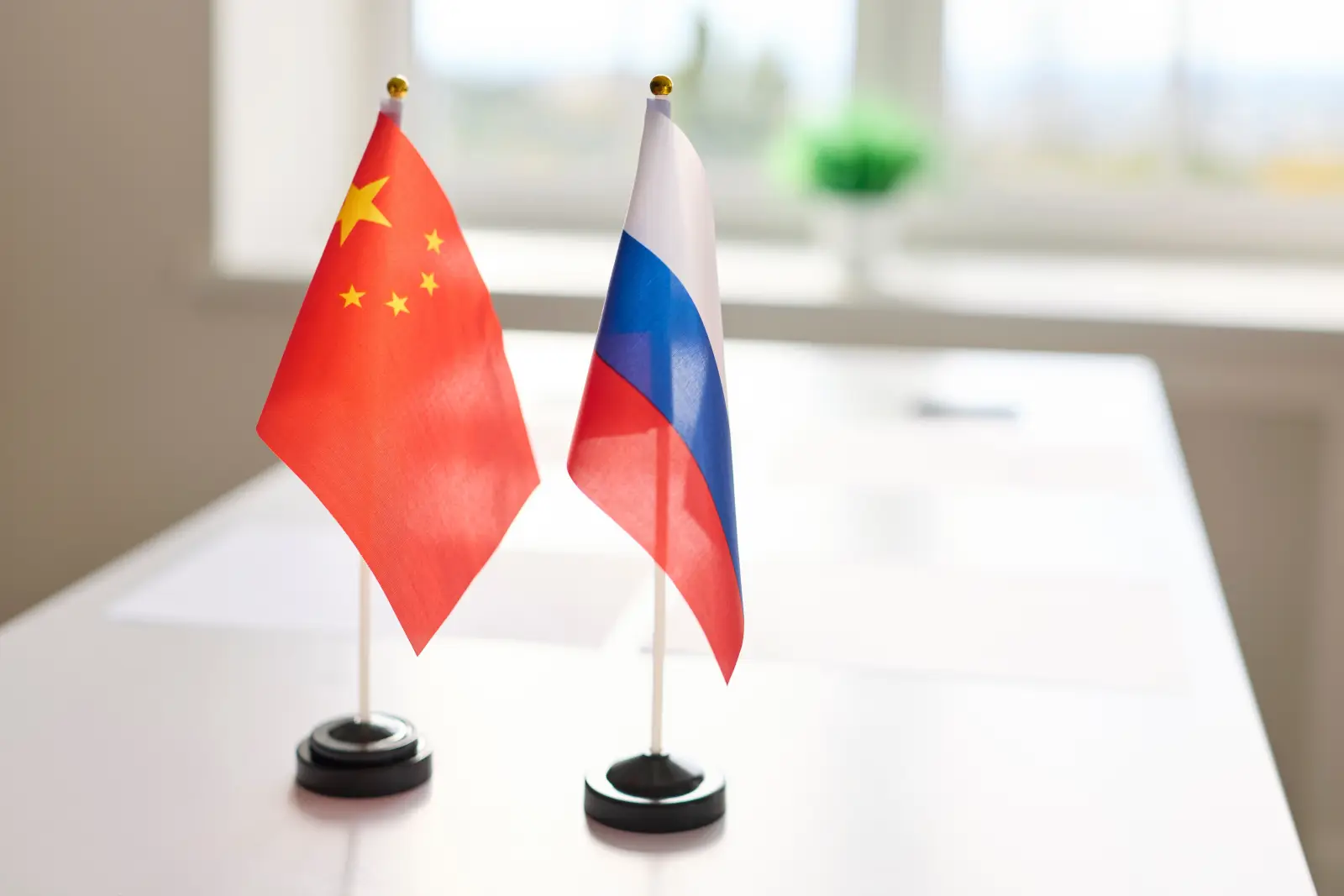
Reuters has reported that major Chinese airlines have urged the Trump administration to abandon a plan to bar them from flying over Russia on U.S. flights, saying it would increase flight times, raise air fares and could disrupt some routes.
Last week, Trump proposed barring Chinese airlines from flying over Russia on US routes.
As of 25 March 2022, 36 countries including EU countries, the UK and the US, closed their airspace to Russian airlines, following Russia’s invasion of Ukraine. Russia retaliated with the same sanctions.
However, Chinese airlines were not banned and have been using this advantage to increase market share compared to non-Chinese carriers on international routes.
U.S. Transportation Department calls current situation ‘unfair’
The U.S. approved in May 2023 additional flights by Chinese carriers after they agreed not to fly over Russia on new routes. Since 2024, Chinese passenger airlines can have 50 weekly round-trip U.S. flights, which is around one third of those allowed before the pandemic.
The U.S. Transportation Department said that the current situation was “unfair and has resulted in substantial adverse competitive effects on U.S. air carriers.” The current proposal to apply the overflight restriction to U.S.-issued foreign air carrier permits does not apply to cargo-only flights.
China hits out at U.S. proposal
China has now hit out at the U.S. proposal to ban Chinese carriers from Russian airspace, warning that Washington’s policies could hurt American businesses.
A spokesperson for China’s foreign ministry said the restrictions were not conducive to person-to-person exchanges. These restrictions could affect some U.S. flights operated by Chinese airlines.
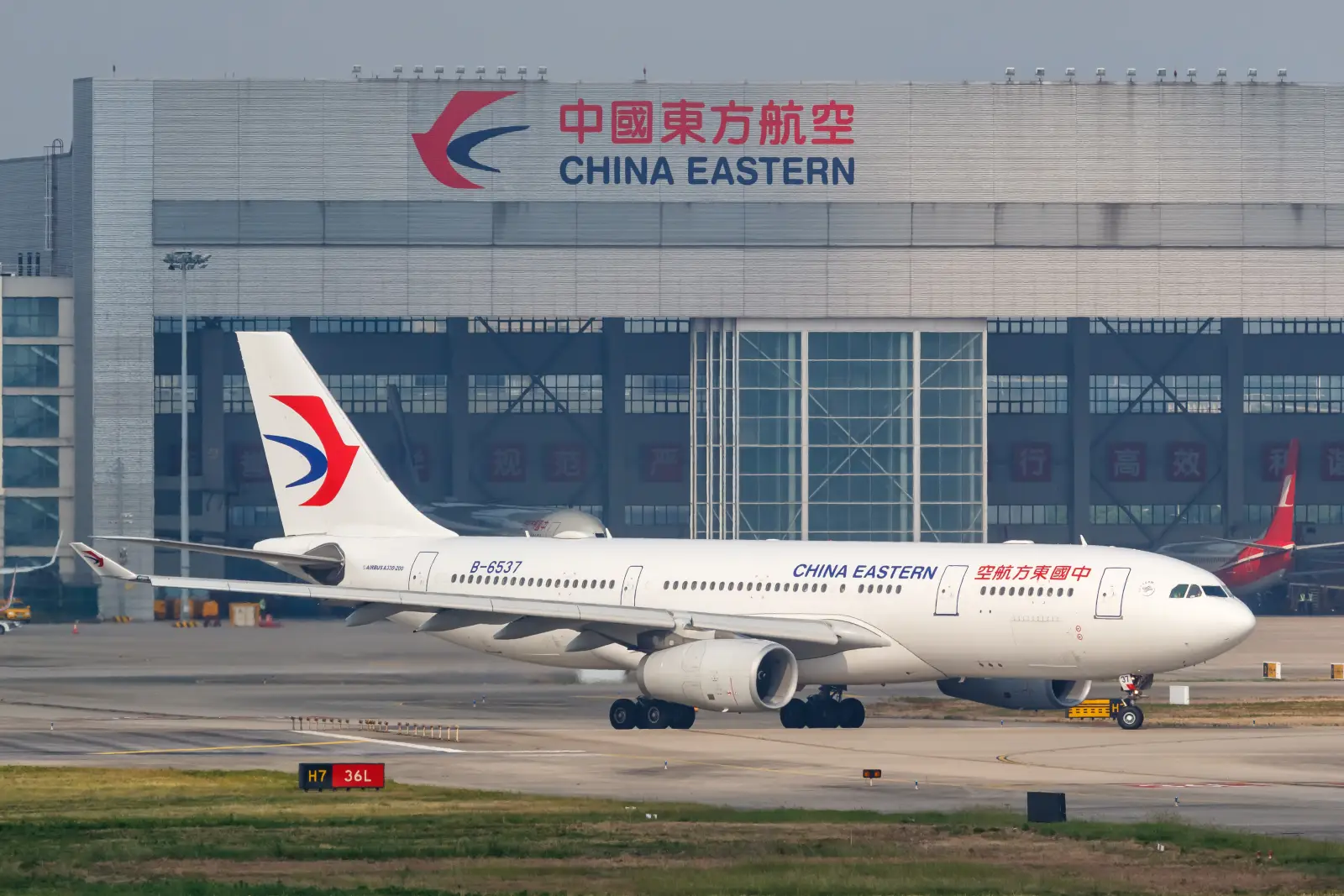
China Eastern said that the move could extend the flight time on some of its most important routes by two to three hours, significantly increase risks of missed connections and boost fuel consumption.
Air China and China Southern said the decision would adversely affect a substantial number of passengers in the United States and China. China Southern projected that at least 2,800 passengers scheduled to travel during the peak holiday season of 1 November to 31 December, would need to be rebooked “jeopardizing their travel plans.”
The order did not name Hong Kong-based airline Cathay Pacific, which overflies Russia on its New York to Hong Kong route, according to flight tracking website Flightradar24.
American Airlines, Delta Air Lines and United Airlines all fly to China.
Potential implications
Newsweek reported that the ban could reshape U.S.–China aviation by forcing Chinese carriers onto longer, costlier routes, straining Washington’s ties with Beijing further ahead of an expected meeting between President Donald Trump and his Chinese counterpart Xi Jinping.
It could also escalate the trade war between the countries.
The U.S. Transportation Department’s proposal will add to tensions between Beijing and Washington over economic issues, with Boeing in talks to sell up to 500 jets to China and ongoing negotiations about Trump’s tariffs on Chinese goods entering the U.S.
There will be anticipation over whether Beijing could retaliate and if the Boeing deal and Chinese dominance of rare earth materials might be used by both sides as leverage when Trump and Chinese President Xi Jinping meet later in October in South Korea during the Asia-Pacific Economic Cooperation (APEC) summit. This was announced by Treasury Secretary Scott Bessent on 15 October, after Trump had earlier announced that he was not going to meet President Xi.
Photo Credit: Markus Mainka / Shutterstock.com