If you’re tracking global travel trends, the sheer volume of investment flowing into Canada’s high-end hospitality sector is impossible to ignore. Canada is not just getting more visitors; it is also radically changing what it has to provide to attract high-yield travelers.
This shift toward luxury and health experiences is changing the tourist scene in the country from coast to coast. This concentrated development plan attempts to get more foreign spending by capitalizing on the robust increase of domestic tourism, which boosted national hotel occupancy to a decade-high in recent years.
The New Face of Urban Luxury: Boutique Hotels and Design
In big Canadian cities, luxury hotels in the city are making a return. People are shifting away from typical stays and toward hotels with unique cultural ties and immersive design. For instance, new boutique hotels in large cities like Toronto and Montreal are adopting complicated designs that are typically influenced by the area to make their customers feel like they are in a distinct location.
These hotels show that they are committed to providing unique, high-quality experiences for guests that are tailored to their needs. They include the highly anticipated launches of well-known businesses and smaller, independent initiatives like Montreal’s immersive sound and light hotel. This push is critical as it increases Canada’s capacity to host major MICE and premium leisure groups.
Mountain Retreats and the Nordic Spa Boom
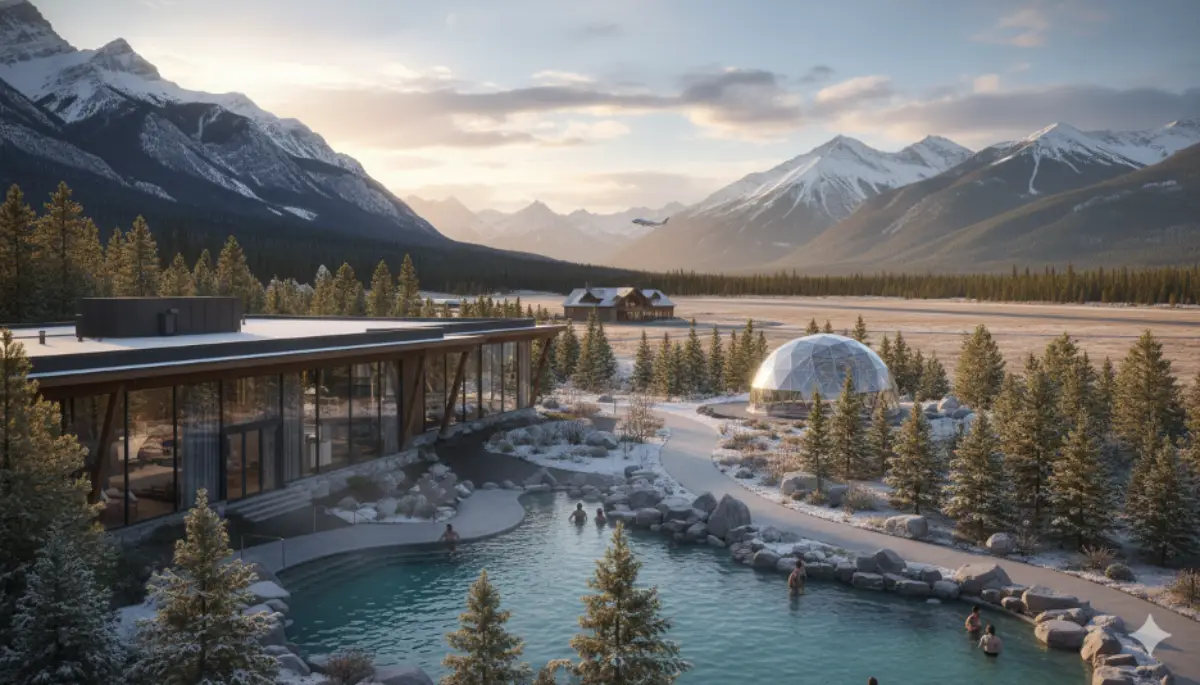
Beyond the urban core, the expansion of the wellness sector is arguably the most transformative element of Canada’s new tourism strategy. The sheer scale of development in Alberta and Ontario’s natural settings is significant. By 2030, wellness tourism is expected to be worth billions of dollars in Canada, and the luxury accommodation sector is a big part of that. New characteristics, including the establishment of Nordic spa facilities and thermal wellness experiences at famous places like Lake Louise, are making Canada a world-class health and spa destination. People who travel today want experiences that mix being in nature with personalized health programs.
Beyond the Destinations: The Rise of Digital Leisure in Travel
Canadian luxury hotels have high-tech rooms and ways for guests to connect to the internet. Business travelers used to demand high-speed internet and luxury digital services, but today they are a big part of the leisure visitor experience. After a long day of meetings, a trek in the woods, or a long hydrotherapy circuit, tourists typically go back to their rooms to take care of their own needs.
This may be looking at difficult financial market news, watching an international sports event, or doing something fun and simple on your computer. For instance, a lot of individuals think that engaging with a strategy game on their own device, like a simple game of digital solitaire or connecting to a server to play a round of roulette online, is a peaceful, low-stakes way to unwind. This solid and ubiquitous digital infrastructure gives visitors a lot of possibilities for personal downtime, making sure that the hotel satisfies the requirements of both the physical and digital needs of today’s connected guests.
The Economic Impact of High-Yield Tourism
This emphasis on high-end lodging and health is not just a superficial shift. It has real economic advantages. Recent numbers from Destination Canada show that this summer was the best ever for tourist income. This occurred because overseas visitors spent more money on each trip, which is a sign of a successful higher-yield industry. Canada is focusing on luxury hotels and specialized health services to make sure that it will keep attracting tourists who spend more, stay longer, and help the economies of all provinces. In this manner, the advantages of tourism will be spread widely.