Travelers often chase more than sunshine; they look for stories. They want locations that feel alive and let them step straight into a thrilling past. One place where stories shuffle with every deck is the historic casino.
Before diving into marble halls, many readers click casinoonlineiceland.is to see how modern screens mirror old green felt. With free bets popping up across Europe and beyond, adventurers scan betting sites in iceland for odds, then day-dream about their first step inside a chandelier-lit casino. Digital rooms may tempt with slots everywhere, yet online casino Iceland teases that same rush people once felt while chasing jackpot games under painted ceilings. Historic casinos are more than places to play; they are snapshots of art, politics, and daring travel. From Monte Carlo’s sparkling bay to dusty Nevada saloons, each hall whispers about kings, rebels, and everyday folks who hoped luck would turn. Exploring them in person turns history into something you can touch, hear, and even smell—like old polished wood mixed with fresh excitement.
European Elegance: Monte Carlo and Beyond
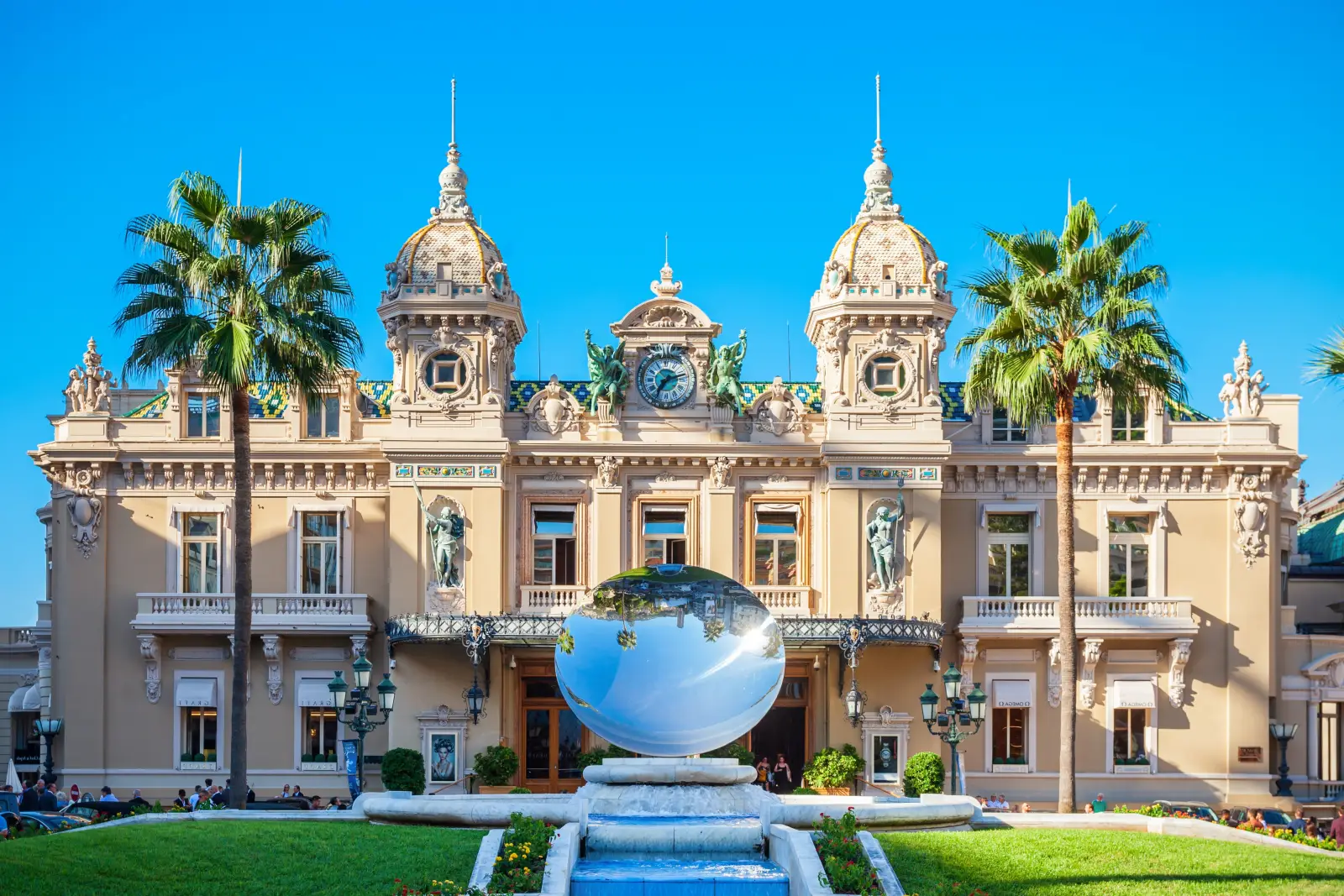
The Monte Carlo Casino was opened in 1863 and is located on a cliff overlooking the Riviera. The casino is more than just roulette wheels. It’s also filled with Belle Epoque artwork, gold leaf and stained glass, which have survived wars, royal scandals, and even the ravages of time. The marble tiles that were once under the feet of Sarah Bernhardt, Tsar Nicholas II and other famous people are still there when a visitor walks through the gilded doors. The Kurhaus in Baden-Baden, Germany, tells a story similar to this. This beauty with its white columns attracted the European elite in the spa craze of the 19th century. In the interior, murals depicting cherubs shine down while violin music drifts in from a side room. Both sites show how gambling shaped tourism. Railways were built, hotels grew, and fashion codes were set. These sites allow tourists to slip back into an era where formal gloves were important and each spin of the roulette wheel was like a scene out of a classic novel.
Frontier Spirit: From Riverboats to Vegas
The American casino tale begins on muddy riverbanks, not in neon deserts. In the early 1800s floating casinos on Mississippi allowed merchants and musicians to relax after long trading runs. Card tables were busy from dawn until dusk as the paddlewheels cranked, jazz prototypes resonated and the paddlewheels churned. As the Gold Rush swept west, poker was played in makeshift saloons like Deadwood by miners who measured their fortunes by the ounce. The smoky, loud wooden saloons spawned legends about Wild Bill Hickok, Calamity Jane, and other cowboys. In 1905, Las Vegas was a railroad station with two tents and a bar. The desert sky was endless. Construction of the Hoover Dam, and a short legalization period for gambling, brought workers with large paychecks to downtown card halls. In the 1950s the Flamingo merged Hollywood glamour and bright bulbs to create a spectacle which attracted millions of travelers after the war. Fremont Street connects visitors to the restless and inventive past of this city.

Eastern Marvels: Macau and Singapore
The 18th-century Fantan Hall is still hidden behind modern towers. The stone walls and wooden seats remind guests that original games were played with simple buttons and bean, not electronic bling. The opulent Grand Lisboa is located just a ferry ride away from Hong Kong. Its lotus-shaped architectural style pays homage to Chinese symbolism, while its crystal chandeliers reflect European taste. Marina Bay Sands in Singapore opened its doors in 2010 but it was inspired by colonial clubhouses, where British officers used to play whist. The ArtScience Museum and the Casino Floor are connected by a walkway that takes visitors through the centuries. These Asian landmarks demonstrate how gambling hubs blend cultures, languages and religions to create new tourism economies, without erasing layers from colonial or local heritage.
Lasting Impact: Why Historic Casinos Still Matter
The casinos of the past are museums that visitors can participate in instead of just looking at. These casinos whisper of danger, glamour and human ambition. These halls are not art galleries. They invite visitors to feel the velvet card tables, touch the chips and hear the dice clatter. This sensory mix helps to cement memories and make history more relatable. Restoring gaming landmarks can revitalize entire neighborhoods. The Kursaal, in San Sebastian for example, was the catalyst of a boardwalk revival which filled hotels and cafés all year round. The Mob Museum, which was transformed from the old courthouse in Las Vegas to a gambling museum, shows how the city’s tourism can be more than just slot machines. The preservation of craftsmanship is also supported by the restoration of a century-old hall. Marble cutters, woodworkers, and muralists gain new work when it comes to repairing the ballroom. Lastly, historical casinos can teach valuable lessons about social life. They trace changing views on risk, class, and even women’s independence–remember, roulette tables often welcomed female players long before other venues did. Travelers fund the upkeep of these sites and bring back those stories, which keep the culture wheel turning.
Top Photo Credit: saiko3p / Shutterstock.com