A collision between two tourist trains on the rail route to Machu Picchu killed a railway worker and injured around 30 passengers on Tuesday, disrupting one of Peru’s most important travel corridors at the height of the holiday season. The crash occurred near Qoriwayrachina, an archaeological site along the line connecting Machu Picchu with the city of Cuzco.
Rail services on the route were suspended following the accident, according to police and the company operating the railway. Authorities said a train departing from Machu Picchu collided with another heading toward the ancient site in the early afternoon, with the cause of the crash still under investigation.
A vital rail link to one of the world’s most visited sites
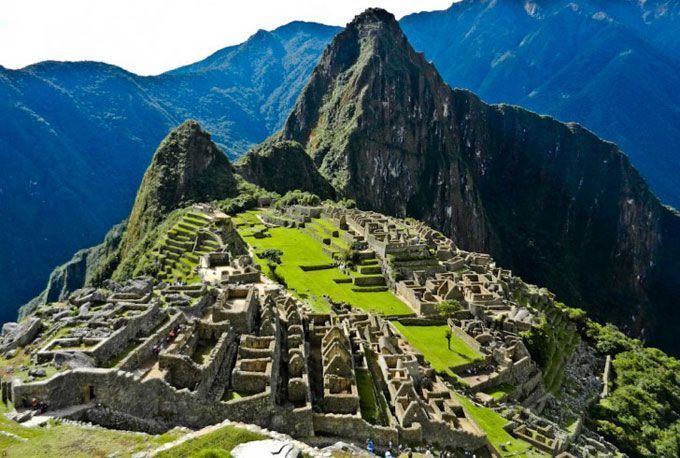
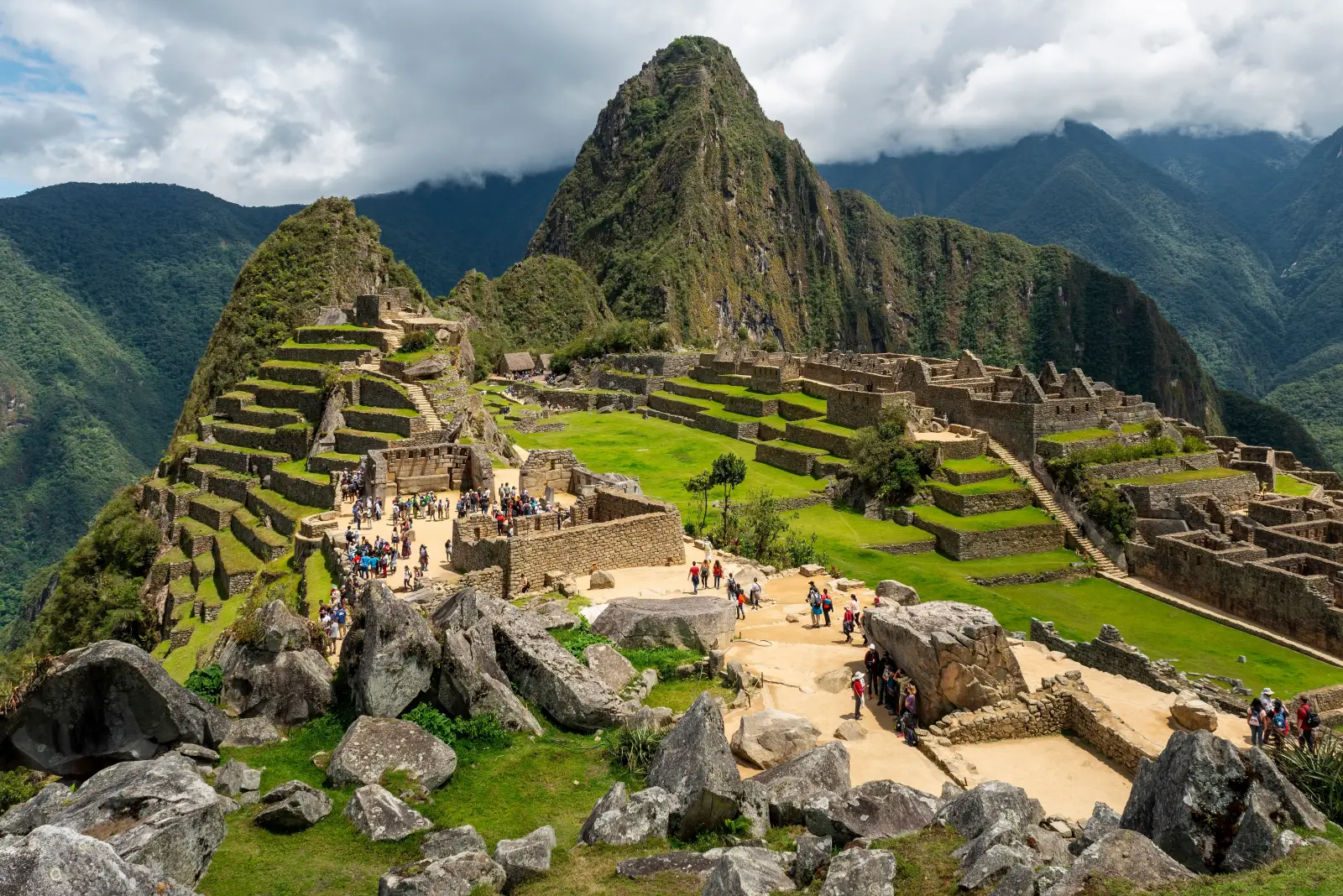
Machu Picchu is Peru’s most famous tourist attraction, drawing about 1.5 million visitors each year. Most travelers reach the 15th-century Inca citadel by train, arriving at the nearby town of Aguas Calientes before continuing on to the mountain-top ruins.
The victim was identified as a railroad worker, according to Jhonathan Castillo Gonzalez, a captain with the Cuzco police department, who confirmed the fatality and the suspension of services. He said the injured passengers were receiving medical treatment, though officials did not immediately release details about their nationalities or the severity of their injuries.
Images and videos shared by local media showed damaged train cars stranded along a narrow stretch of track, squeezed between dense green forest and steep rock faces. Several carriages appeared to have broken windows and dented sides, underscoring the force of the impact in an area where access for emergency crews can be challenging.
The railway operator said one train was coming from Machu Picchu while the other was traveling toward the site when the collision occurred. No further information was immediately available about what caused the trains to crash on a route that typically runs on tightly scheduled timetables due to heavy demand.
Tourism growth, pressure on infrastructure, and travel alternatives
The Machu Picchu rail line is not only a lifeline for tourists but also a critical piece of infrastructure for communities along the route. Over the past decade, the number of visitors to Machu Picchu has increased by about 25%, putting additional pressure on transport systems designed to move large numbers of people through a narrow mountain corridor.
Tourism in the area has also faced periodic disruptions unrelated to accidents. Political unrest and disputes over how Machu Picchu is managed have, at times, led to protests that block the railroad, stranding visitors and forcing temporary closures of the route. These incidents have highlighted how dependent access to the site is on a single transportation artery.
Despite these challenges, the train remains the most popular and practical way for travelers to reach Machu Picchu. The alternative is to arrive on foot via multi-day treks, most commonly starting in the town of Ollantaytambo. The classic trek takes about four days and attracts hikers seeking a slower, more immersive journey through the Andes.
Machu Picchu itself remains one of the world’s most iconic archaeological sites, renowned for its precisely cut stonework and dramatic setting above the Urubamba River valley. Built by the Incas in the 15th century, it served as a sanctuary for emperors and continues to be a symbol of Peru’s cultural heritage.
The train crash has raised renewed questions about safety on heavily used tourist routes in the Andes, particularly as visitor numbers continue to climb. As investigations continue, travelers with upcoming plans to visit Machu Picchu are watching closely for updates on rail services, while authorities work to determine what went wrong on a journey that is usually part of a once-in-a-lifetime trip.
Photo Credit: SL-Photography / Shutterstock.com