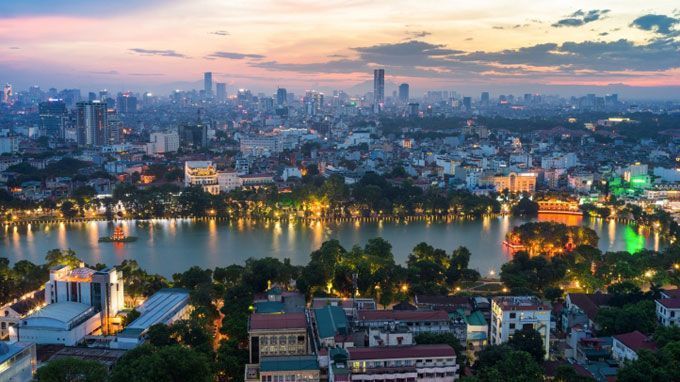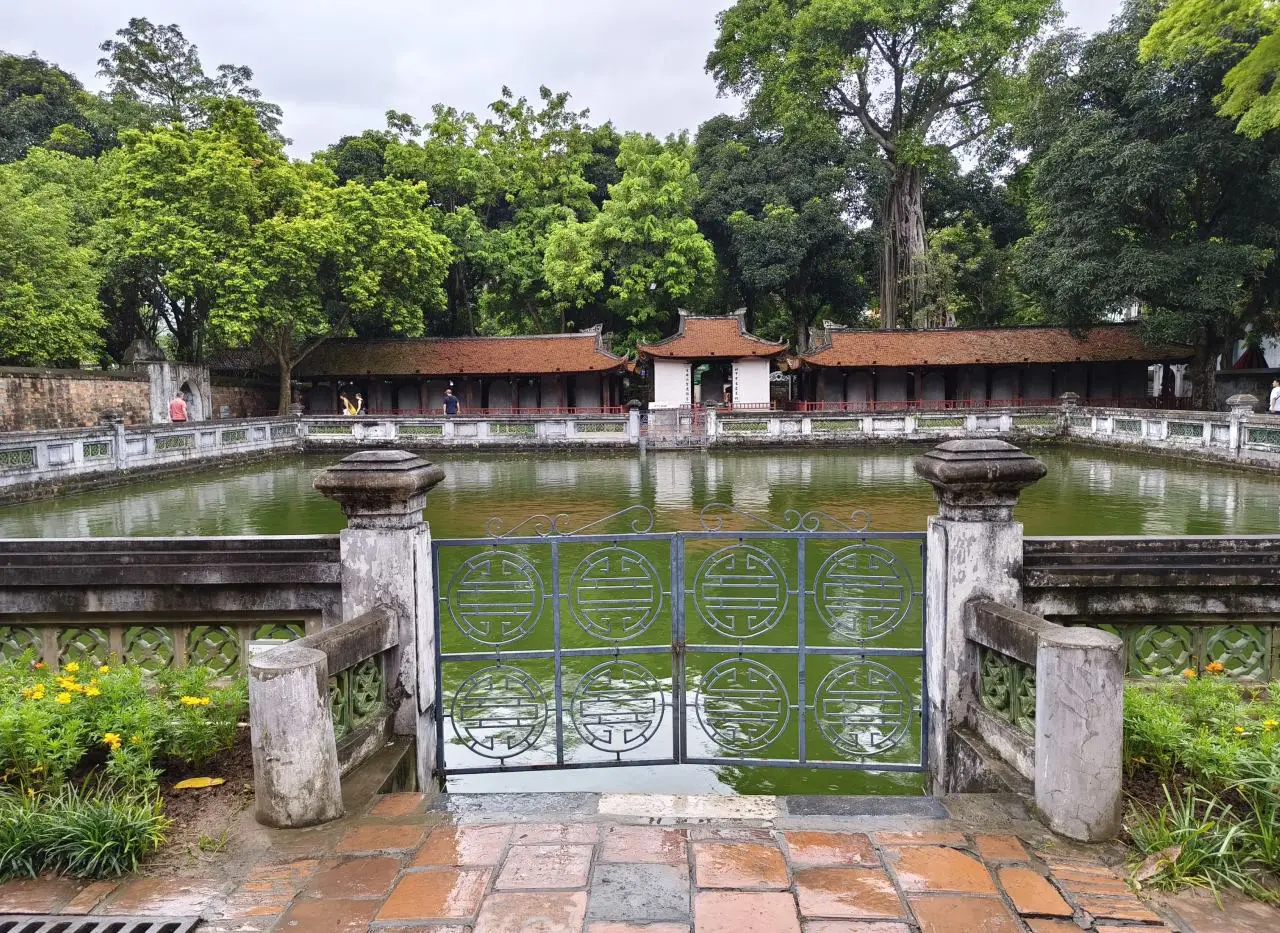
Despite the name, the Temple of Literature in Hanoi is not a place for religious worship. It was first built to honour Confucius and later on, scholars who excelled in royal exams. The buildings portray traditional Vietnamese architecture and the grounds hold serene peace amidst a leafy green neighbourhood in the heart of Hanoi.
Also known as the Imperial Academy and as the first national university of Vietnam that was built in the 11th century, where hundreds of scholars used to study until the 18th century, the Temple of Literature symbolises the country’s dedication to education, academic excellence, and Confucian values.
Although it ceased to function as a university, the Temple of Literature remained a sacred place of worship and intellectual pursuit, bridging the past with the present and preserving the nation’s rich educational traditions. Thousands of students visit each year, especially during exam season, to pray for good fortune in their studies.
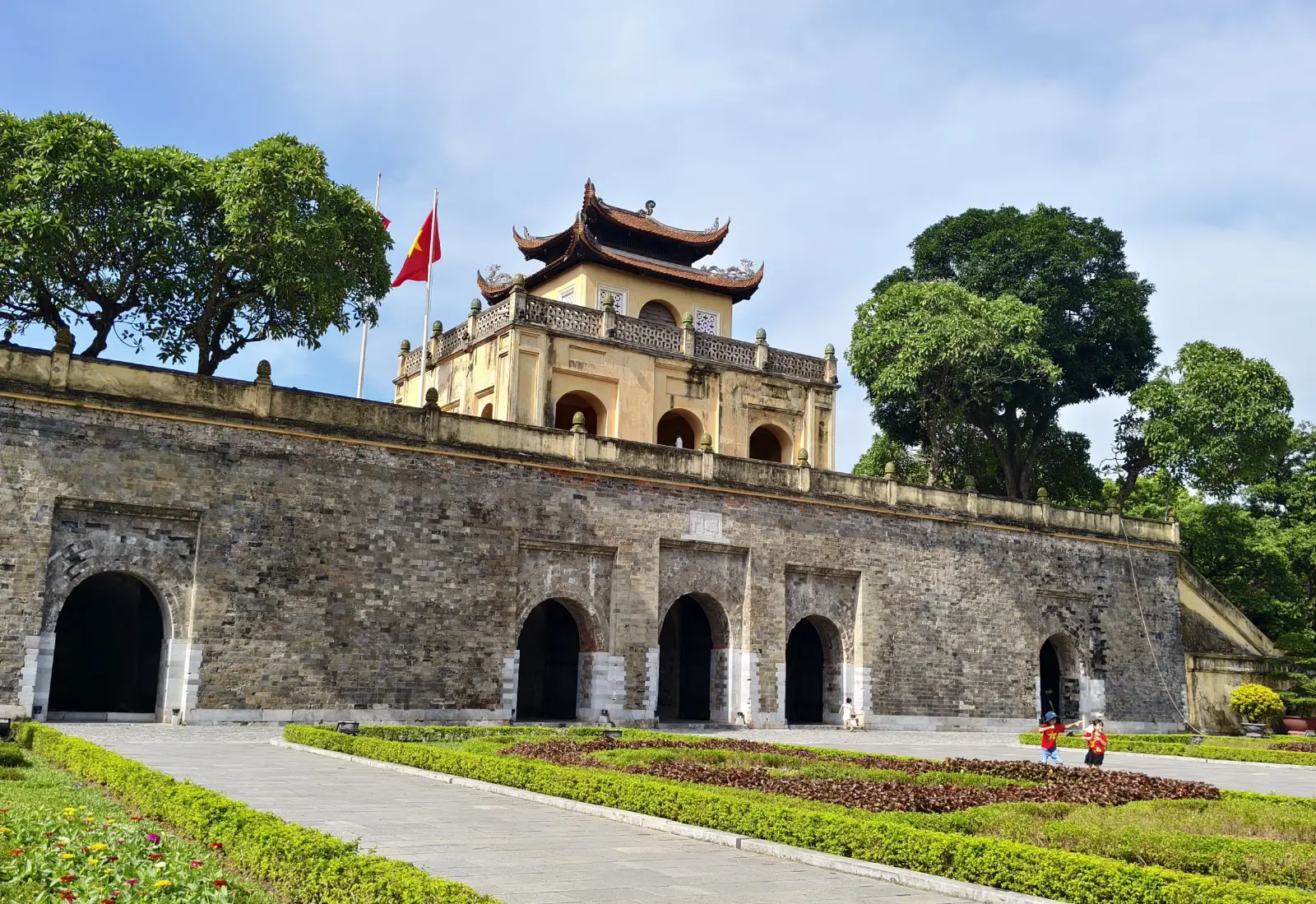
Just like Thang Long Citadel, it is worth visiting not only for its 1,000 years of history but also for its well-preserved architecture and one of the few places in Hanoi where visitors can truly step back in time and learn about Vietnam’s commitment to preserving historical relics. The tranquil courtyards, beautifully landscaped gardens, and Confucian-inspired architecture create an atmosphere of peace and reverence, making it one of Hanoi’s most cherished destinations.
Key highlights
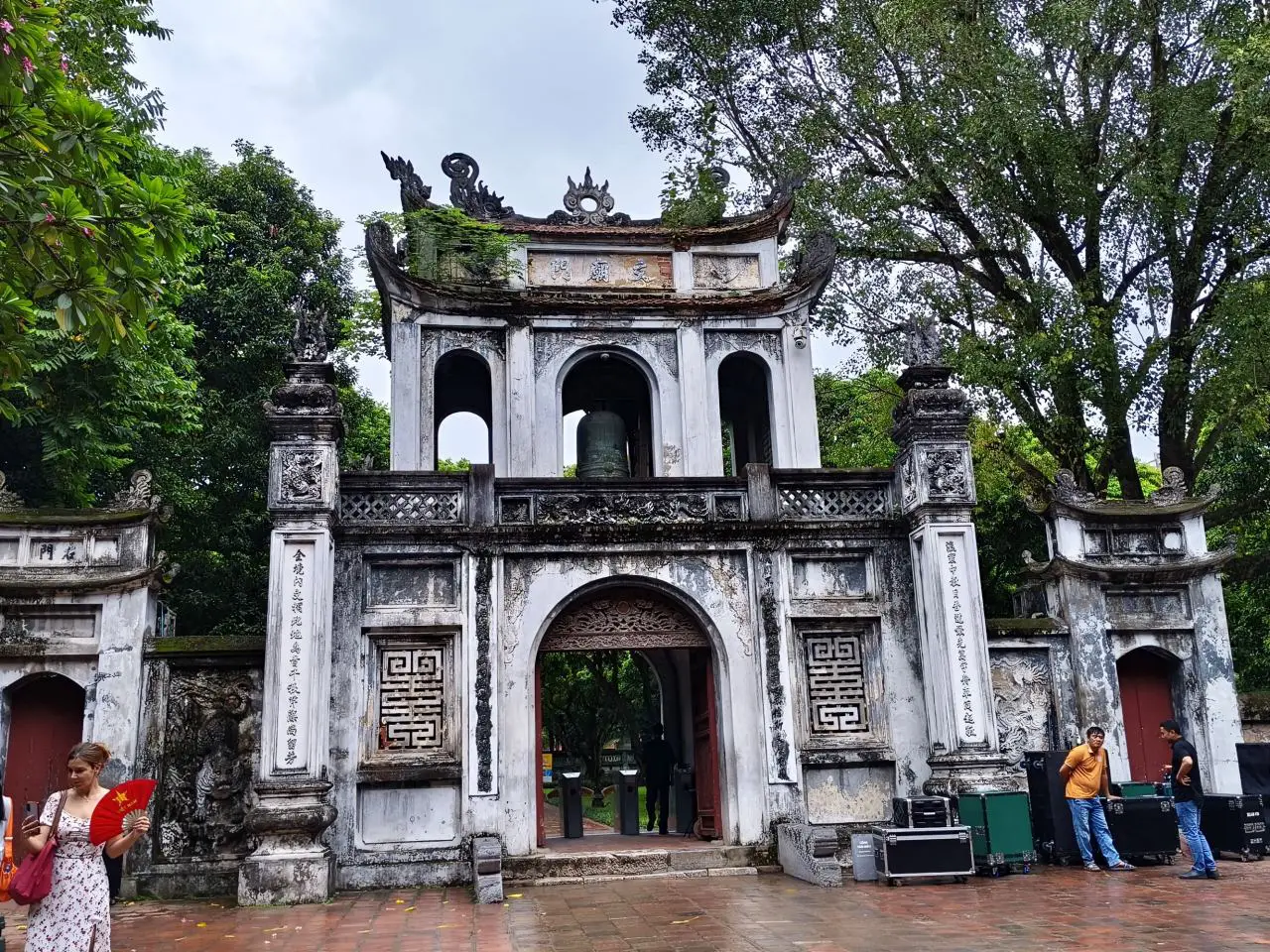
The complex is made up of five courtyards, each with its own unique features and historical significance. They are surrounded by brick walls that separate it from the hustle and bustle of Hanoi’s frenetic street life.
The bronze bell that hangs above the main gate was used to signify that an important person was coming through and was added in the 19th century.
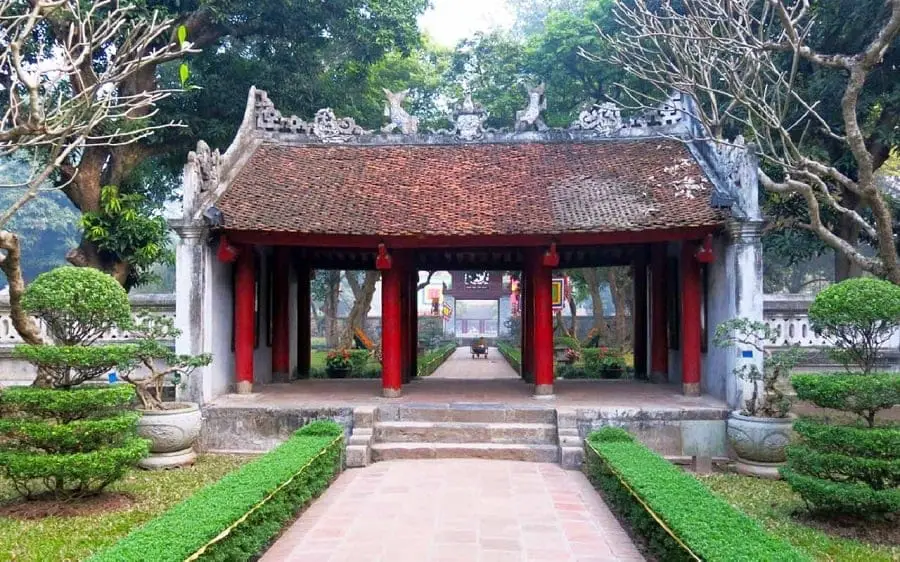
The journey through the Temple of Literature begins at the Great Middle Gate. This courtyard is the grand entrance to the temple, symbolising the beginning of a scholar’s pursuit of knowledge.
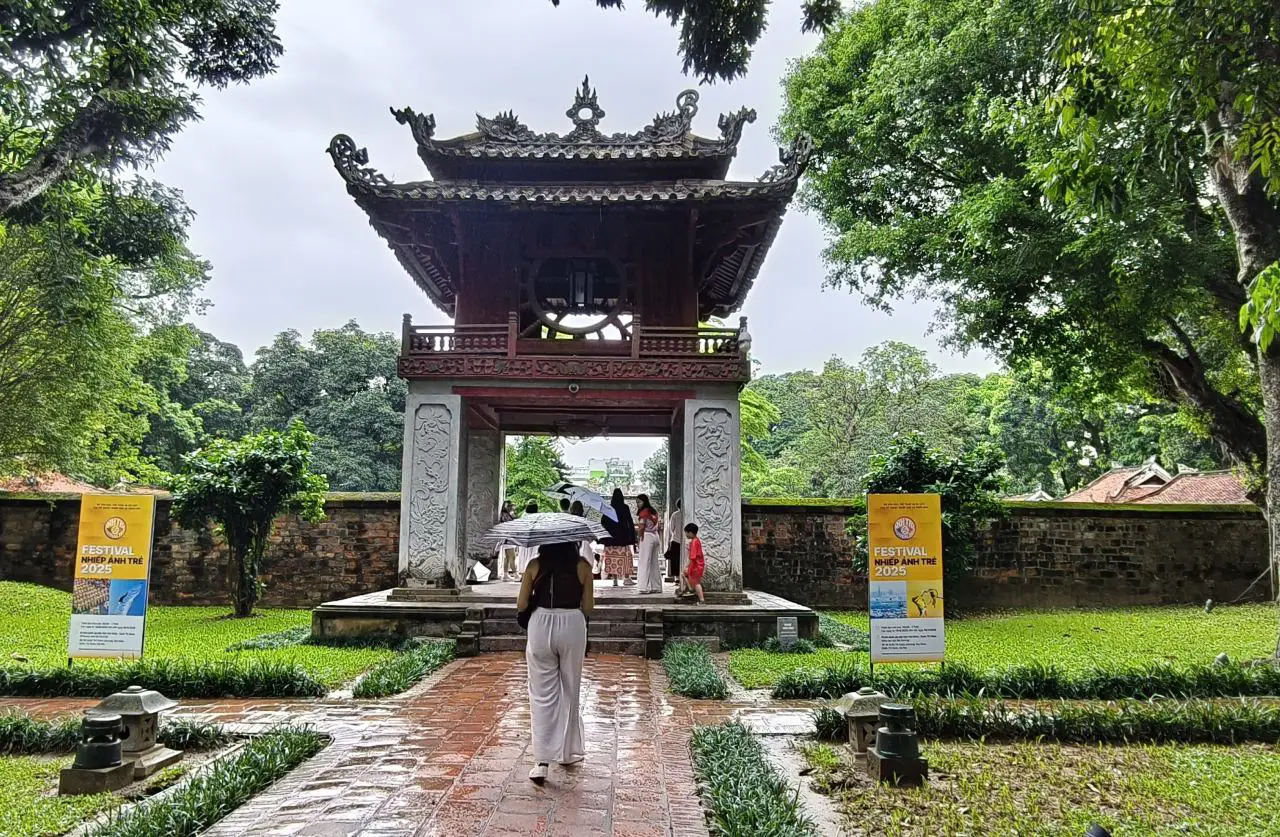
The second courtyard is one of its most iconic structures, the Constellation of Literature Pavilion where the king and the officials gathered, was chosen as the symbol of Hanoi in 1997. The pavilion is a two-story complex, with double roofs and a square basement, totally exudes poetic charm. Today, the Pavilion is a popular spot for students to visit and pray for good fortune in their exams.
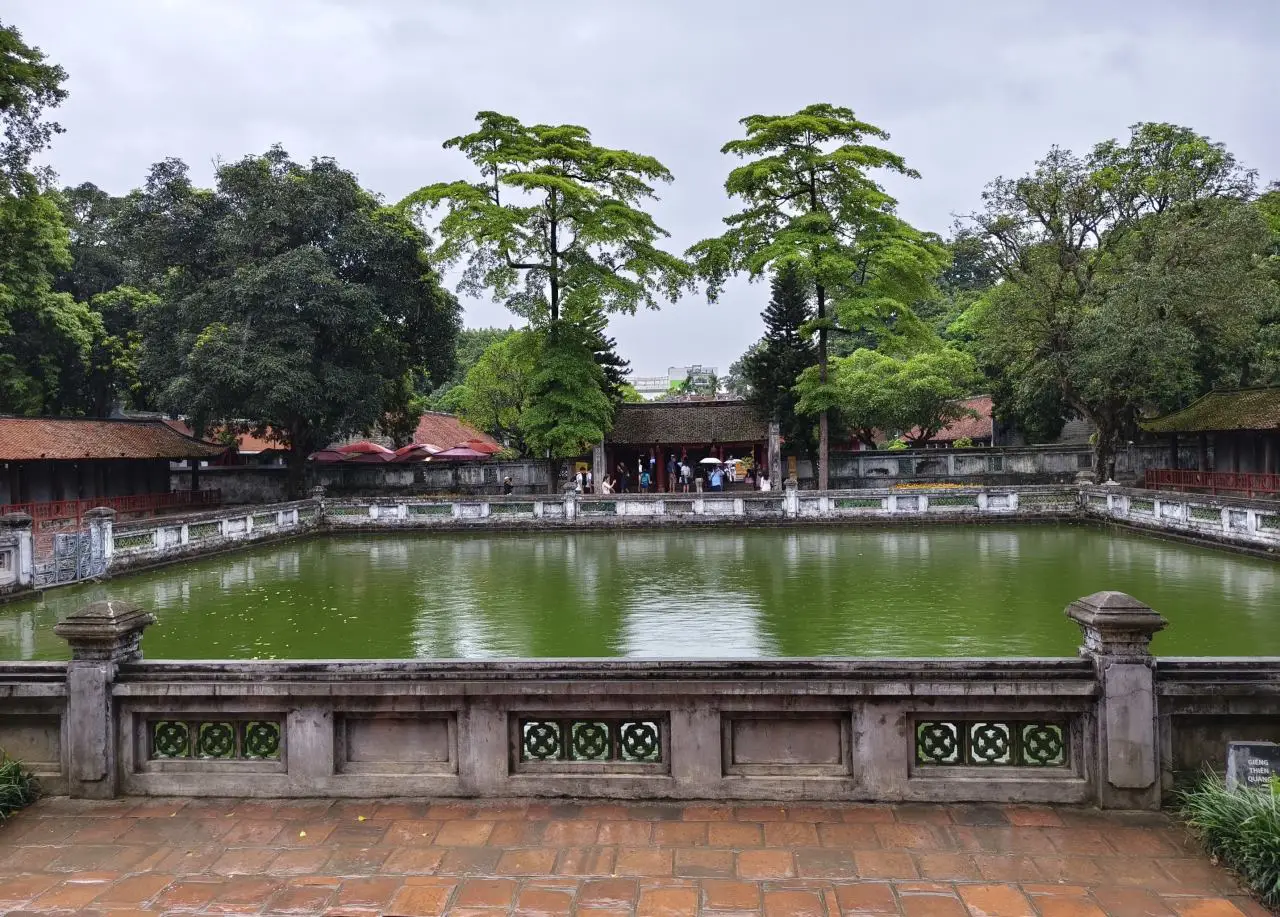
Beyond the Constellation of Literature Pavilion lies the third courtyard, home to the Heavenly Well. This rectangular pond, reflecting the sky above, is a symbol of purity of knowledge and wisdom.
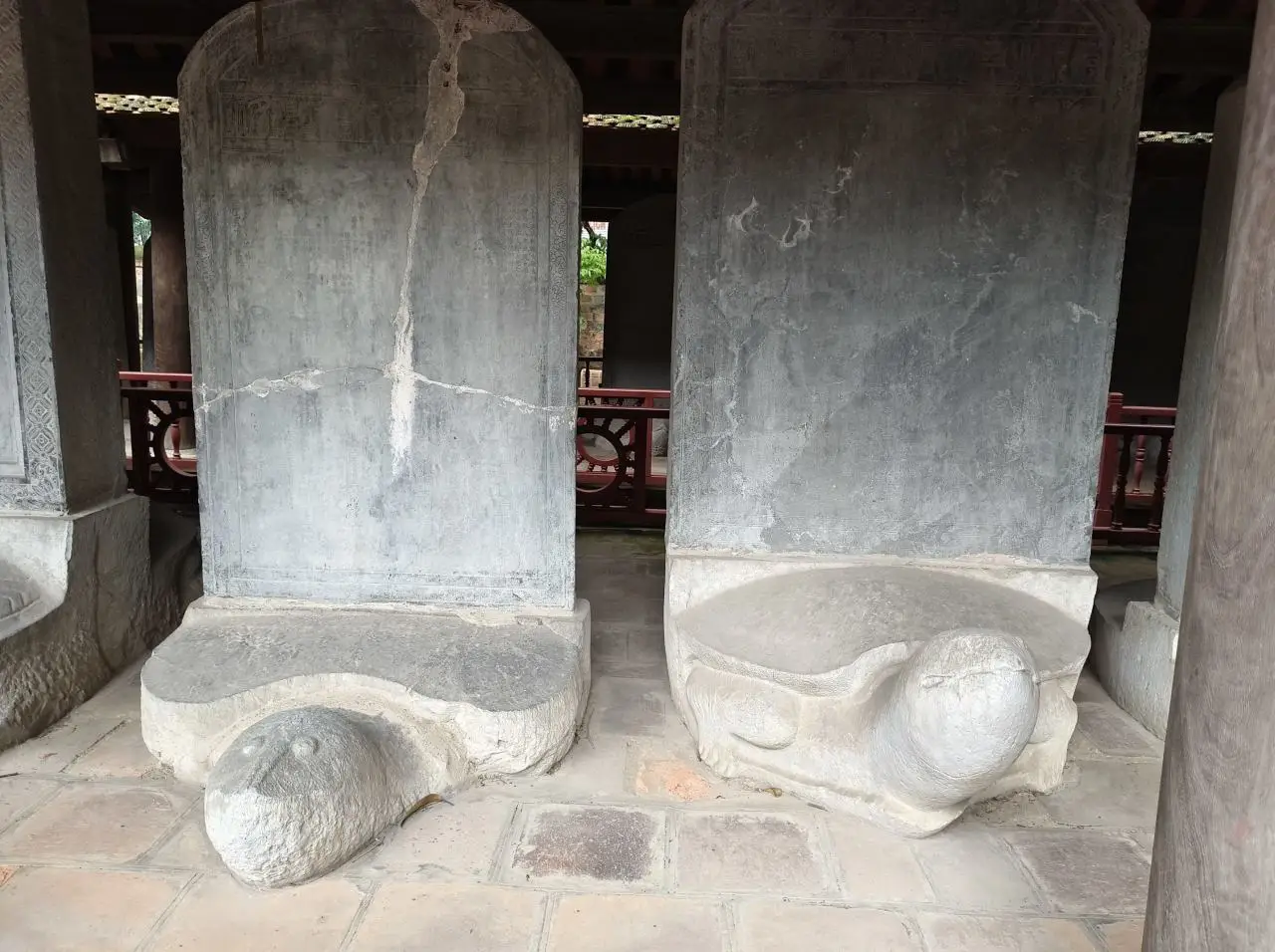
The pond is flanked by two rows comprising a collection of 82 stone tablets or known as the Doctoral Steles, that are inscribed with names of scholars who passed imperial exams from the 15th to 18th centuries. Each stele is placed on the back of a stone turtle, a sacred animal in Vietnamese culture, representing longevity and knowledge.
These stone tablets are the most treasured heritage of the Temple of Literature and are recognised by UNESCO as a Memory of the World Heritage in 2010 for their literary and artistic value in academic excellence and fostering education.
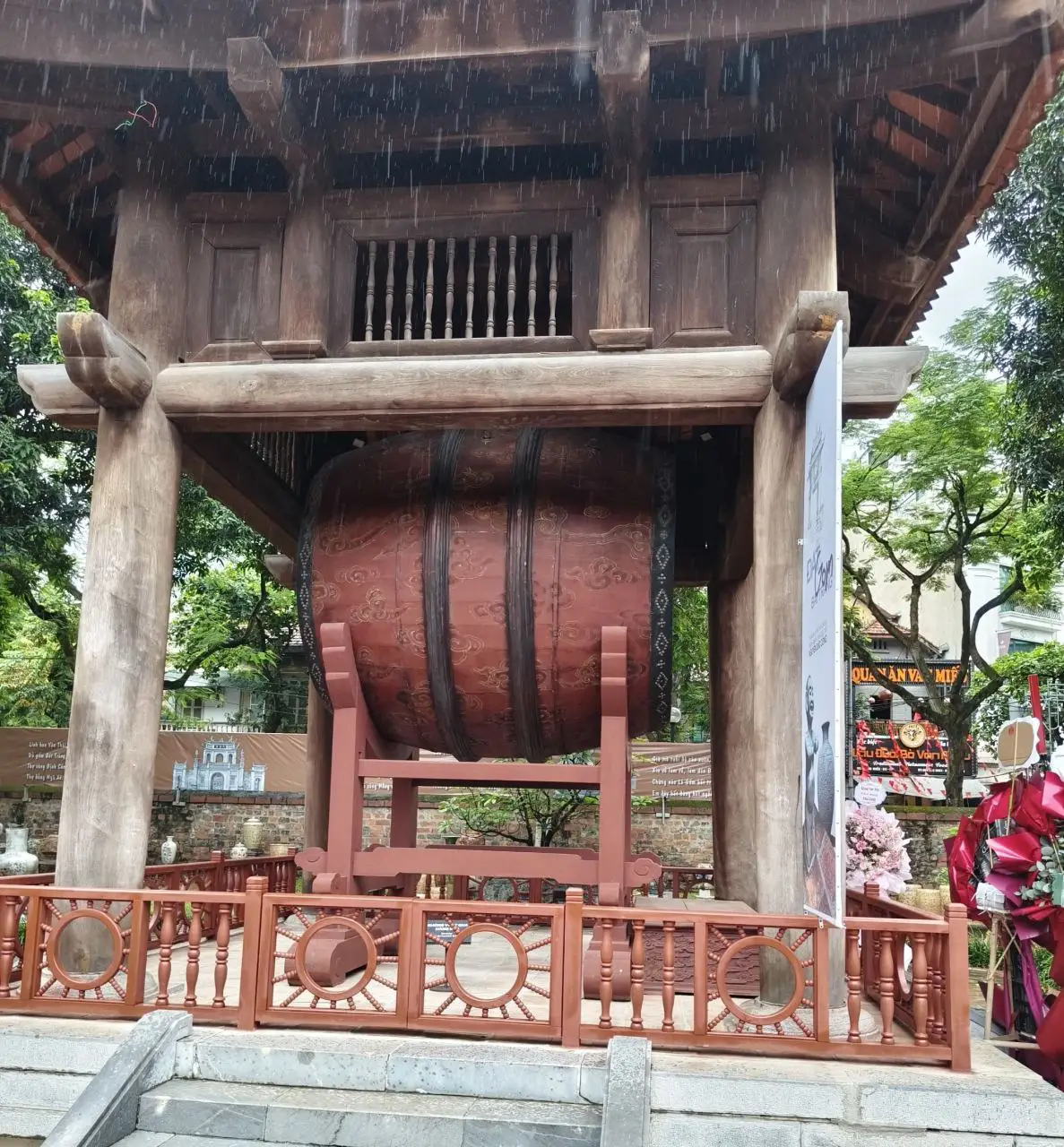
The giant traditional drum is a significant historical feature drum housed in a dedicated drum tower representing traditional music and respect for Confucian scholars. It is a key part of the complex’s architectural beauty and cultural significance, and is located in the rear courtyard.
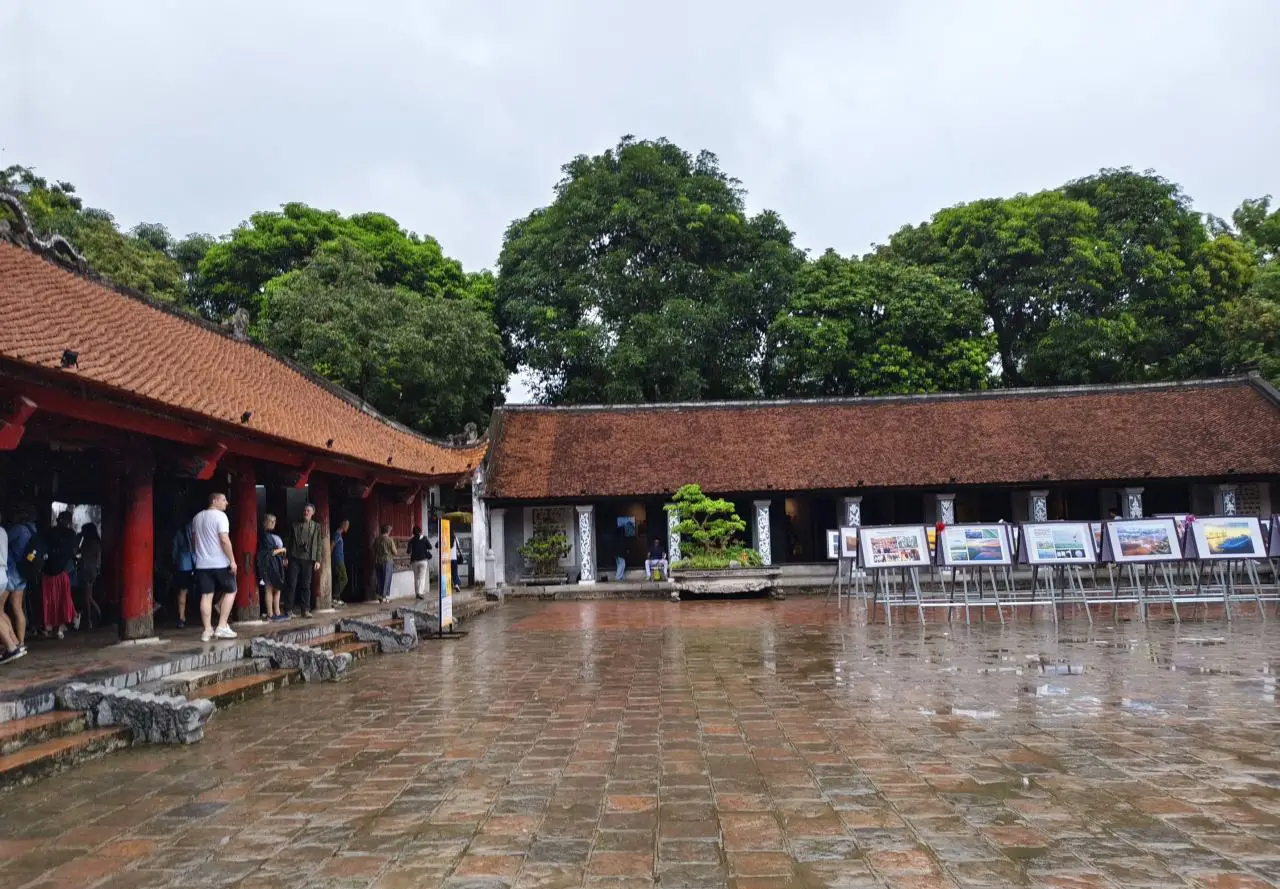
The final courtyard is the Grounds of the Imperial Academy. This area was once the site of Vietnam’s first national university, where the nation’s brightest scholars were trained. You will often find small exhibitions or cultural displays in this courtyard.
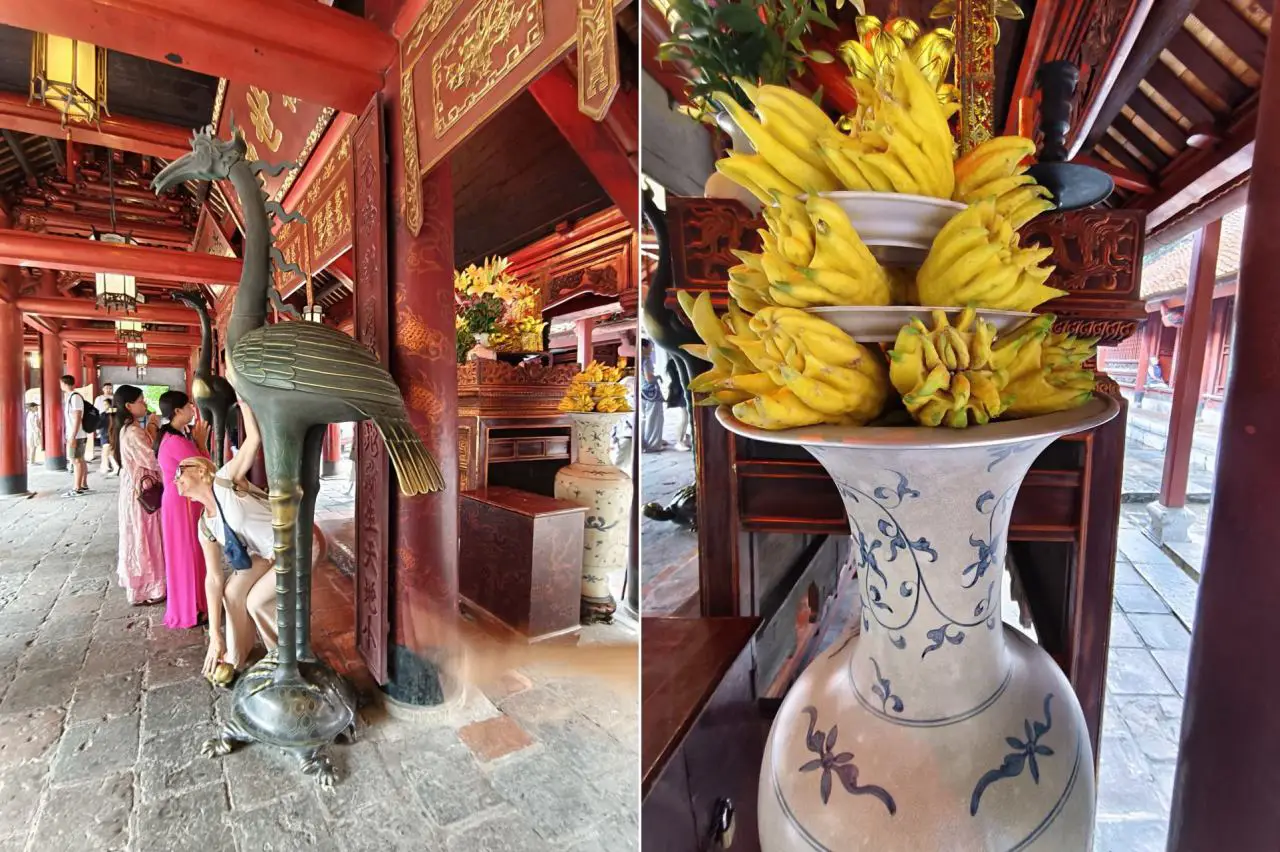
The main feature here is the shrine where Confucius and his four closest disciples are worshipped. With golden altars, red lacquer doors, and quiet incense smoke swirling through the air, this spot is perfect for a moment of reflection.
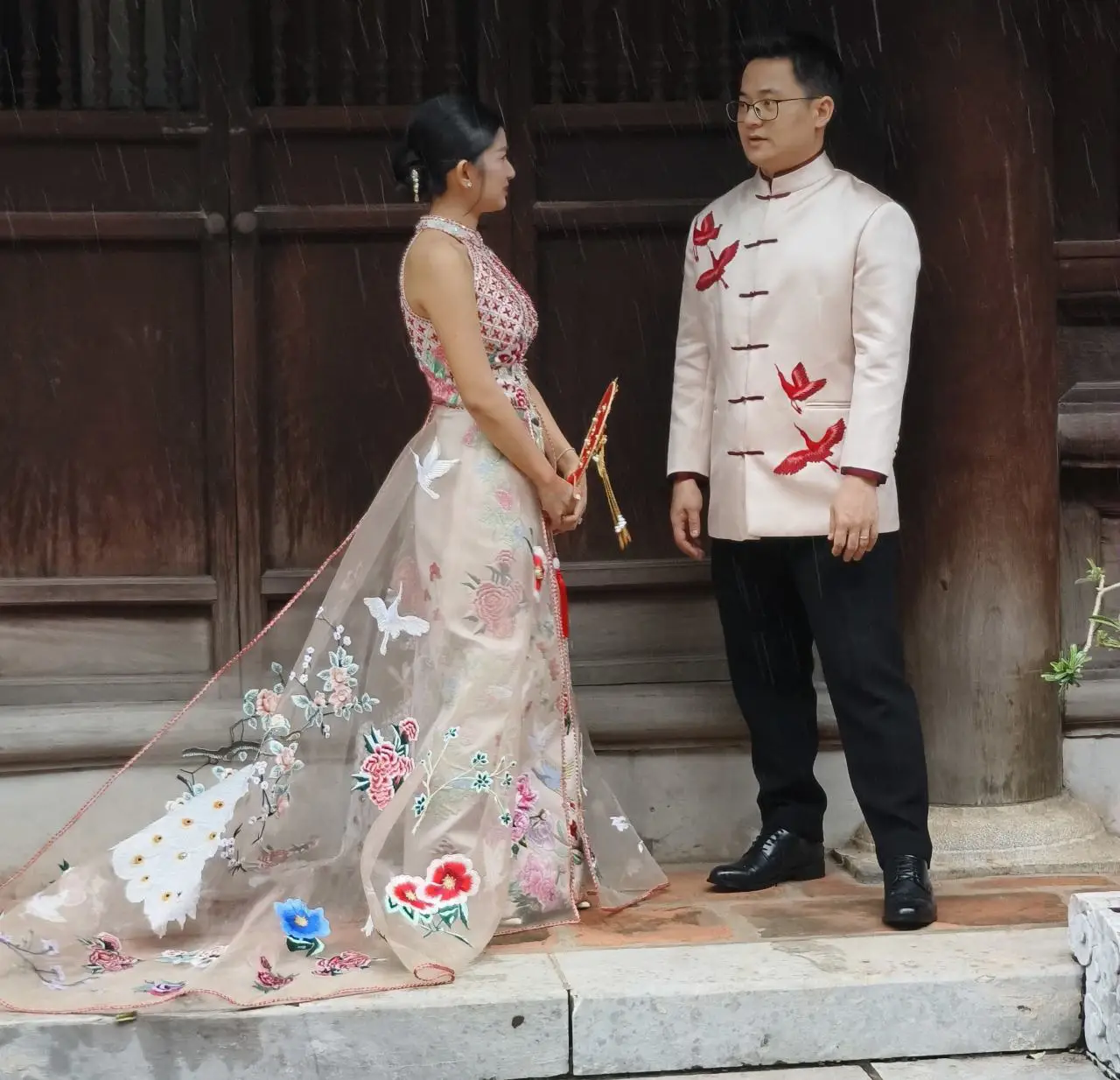
Together, these five courtyards create a harmonious and symbolic journey through the Temple of Literature, each step bringing visitors closer to the heart of Vietnam’s intellectual and cultural heritage. It has also become a much-loved photo-taking location and I was lucky enough to witness a young couple posing for their wedding photos here. I was totally charmed by the beauty of this historical landmark so do visit if you are in Hanoi.