High-speed train services between Madrid and Andalusia have been canceled and suspended following a collision and derailment of two trains near Adamuz in Córdoba province on Sunday evening, leaving at least 39 people dead and dozens more injured.
The disruption has affected services connecting Madrid Puerta de Atocha with major southern cities including Córdoba, Seville, Málaga and Huelva, with cancellations expected to last multiple days as authorities work to clear wreckage and restore infrastructure.
Railway operator Adif and carriers including Renfe, Iryo, and Ouigo have activated ticket refunds and change policies for passengers affected by the cancellations, and infrastructure authorities say the high-speed line will remain closed until inspections and repairs are completed. The incident underscores the scale of the disruption to one of Spain’s busiest long-distance rail corridors and its impact on travel demand and planning.
Service Suspension and Cancellations
All high-speed train services between Madrid and Andalusia have been halted following the accident near Adamuz, Córdoba, on January 18, authorities and rail operators confirm. The derailment involved an Iryo train traveling from Málaga to Madrid and a Renfe Alvia service traveling from Madrid toward Huelva, resulting in a head-on collision that forced the closure of the rail line. High-speed connections linking Madrid with Córdoba, Seville, Málaga, Granada, Huelva, Cádiz and Algeciras have been suspended as part of the response.
State rail operator Renfe, along with private operators Iryo and Ouigo, reported that more than 200 train services on the Madrid–Andalucía corridor have been canceled for Monday, January 19, affecting thousands of scheduled passengers. The service suspension is expected to extend for multiple days, with infrastructure officials indicating the high-speed line could remain closed at least through mid-week while wreckage is cleared and track integrity is assessed.
Adif, the national rail infrastructure administrator, has not provided a precise date for full restoration of service, citing the scale of the accident and ongoing investigations. Alternative transport options, including increased bus services on key routes, are being considered to cope with demand during the rail closure period.
Passenger Impact and Response
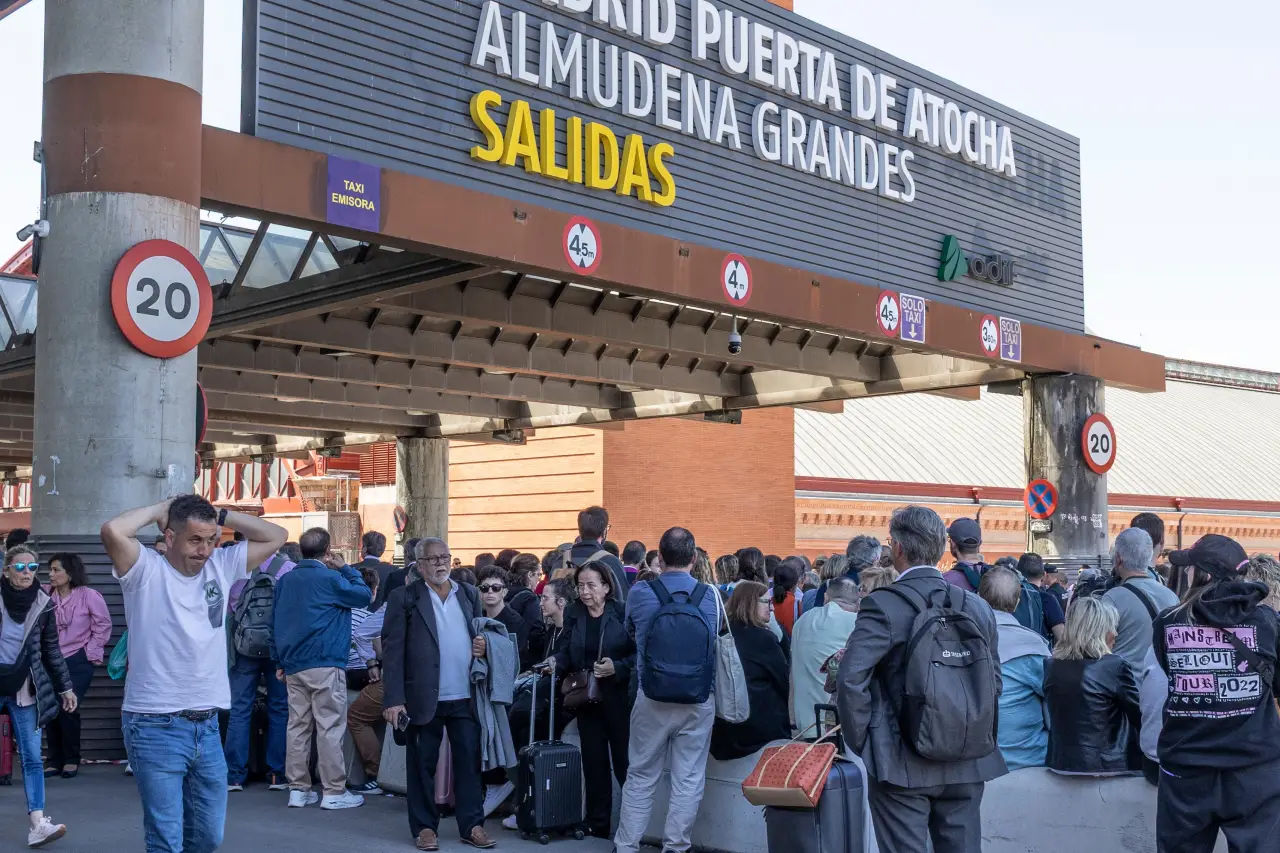
The suspension of high-speed services between Madrid and Andalusia has left many travelers stranded and forced adjustments to travel plans across the region. Stations in Madrid, Córdoba, Seville and Málaga remained open overnight to assist passengers unable to board canceled trains, and customer service lines have been set up by rail operators to manage refunds and ticket changes.
Renfe and other carriers have implemented free ticket changes and cancellations for affected customers, with assistance points operating at major stations. Passengers holding tickets for services between Madrid and southern Spanish cities on affected dates were advised to contact their carriers or use ticketing platforms to adjust itineraries.
Transport authorities have also coordinated with alternative road and air carriers to help travelers reach destinations despite the rail suspension. Some airlines increased capacity on routes linking Madrid with Seville and Málaga to absorb displaced rail passengers, while bus operators deployed additional vehicles along key long-distance corridors.
Accident Aftermath
The collision occurred on Sunday evening near Adamuz when an Iryo high-speed train derailed and struck an oncoming Renfe Alvia train, causing derailment of both sets of carriages. At least 39 people have been confirmed dead, and more than 100 injured, with dozens still receiving medical care, officials say.
Emergency response teams, including civil protection and medical services, were deployed to the crash site to assist survivors and recover victims. Rail operators and public authorities have pledged to cooperate with investigations to determine the causes of the accident, which has prompted national mourning and heightened safety reviews.
The suspension of the high-speed rail line is part of a broader effort to ensure safety while recovery operations are underway, and authorities say they will provide updated service information as assessments progress. Travelers planning routes between Madrid and Andalusian cities are advised to monitor carrier communications and stay informed about alternative transport arrangements during the suspension period.
Photo Credit: Ekaterina Chuyko / Shutterstock.com