
As a sprawling winter system gathers strength across the Rockies and Plains, forecasters say more than half the country could soon be dealing with snow, ice or dangerous cold at the same time.
About 205 million people across the United States are under winter weather alerts as the storm begins Friday and tracks east over four days, departing the Northeast late Monday. Federal forecasters say the system combines frigid air linked to the polar vortex with moisture from an atmospheric river, an unusual pairing that intensifies both snowfall and ice risk.
According to the National Oceanic and Atmospheric Administration and local National Weather Service offices, the storm will create three main hazard zones: a destructive corridor of ice from northern Texas into parts of the Southeast and Mid-Atlantic, a heavy snow band stretching from Oklahoma into New England, and a mixed zone in between that includes Washington, D.C.
The bottom line is that this is expected to be one of the most geographically widespread winter storms in years, with the potential for long power outages, impassable roads and dangerous cold affecting tens of millions of people at once, especially during its peak on Sunday.
Snow, ice and extreme cold collide across multiple regions
Forecasters expect a swath of 10 to 20 inches of powdery snow north of the main ice zone, running from parts of Oklahoma through Maine, where travel disruptions and road closures are likely. South of that, freezing rain could coat trees and power lines with damaging ice, increasing the risk of outages that last days rather than hours.
Between those areas, snow may transition to sleet and freezing rain, creating a crust of ice on top of accumulated snow that makes shoveling harder and roads slicker. The wider D.C. region sits in this transition zone, where early heavy snow could be followed by sleet and freezing rain before the storm exits.
Across the Upper Midwest, the cold itself becomes a primary threat. Wind chills are forecast to plunge as low as minus-40 to minus-55 degrees Fahrenheit in some locations, conditions that can cause frostbite in minutes. Roughly 120 million people nationwide could see subzero temperatures through midweek.
At the storm’s peak Sunday, forecasters say more than half of the population in the contiguous United States may be experiencing snow, sleet or freezing rain simultaneously. The sheer scale increases the strain on transportation networks, utilities and emergency services, especially if outages become widespread.
City-by-city impacts show high disruption potential
In Oklahoma City, which sits near the snow–ice dividing line, forecasters project 6 to 10 inches of combined snow and sleet, plus a glaze of ice, creating hazardous travel conditions. Gusty winds and temperatures in the teens and single digits could elevate the risk of frostbite and hypothermia, with extreme cold lingering into next week.
The Dallas–Fort Worth region faces a growing threat from freezing rain as cold air pushes south, potentially turning highways and local roads into skating rinks. The amount of precipitation that falls as sleet versus freezing rain will determine severity, but officials warn that ice on trees and power lines could lead to prolonged outages.
“Significant ice accumulation on power lines and tree limbs may cause widespread and long-lasting power outages. Expect power outages and tree damage due to the ice. Travel could be impossible,” wrote the Weather Service in Fort Worth. Frigid temperatures in the teens and 20s are expected to persist into early next week.
Little Rock sits in another mixed zone, with snow expected to develop Friday night before changing to sleet. While total accumulation may only reach a few inches, roads are likely to remain snow- and ice-covered into Sunday, and southeastern Arkansas is under an ice storm warning where long-lasting outages and tree damage are possible.
Forecasters identify northern Louisiana, parts of Mississippi, and Alabama as one of the highest-risk ice corridors, with Tupelo potentially seeing ice accretion of up to 1 inch. Winds near 15 mph could further strain coated power lines and trees, raising the likelihood of extended utility disruptions.
“Travel should be restricted to emergencies only. Prepare for extended power outages,” wrote the Weather Service in Memphis. Freezing temperatures are forecast to linger into Tuesday, increasing risks for residents who lose power.
Nashville is expected to see several inches of snow early Saturday, followed by sleet and freezing rain, a combination that could create moderate to major impacts across Tennessee. In parts of the state, temperatures could dip below zero, posing a life-threatening risk if outages persist.
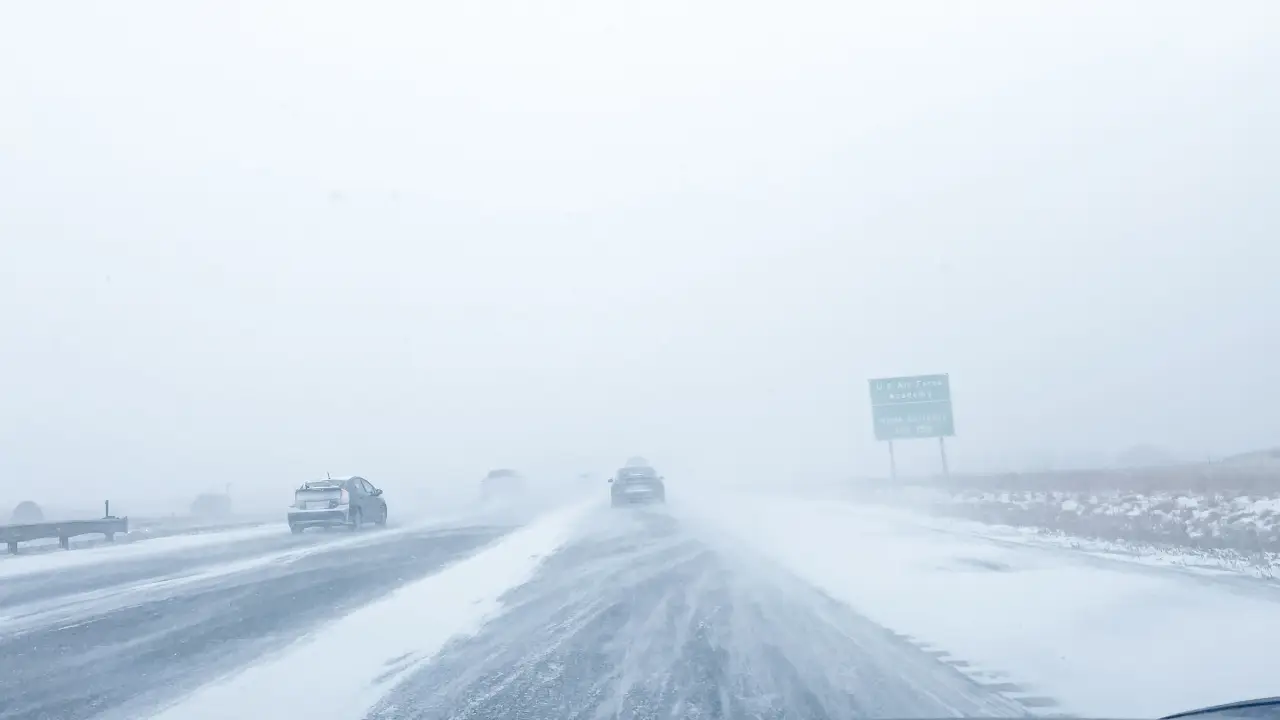
Farther north, Cincinnati and much of Ohio are forecast to receive heavy snow, with rates potentially reaching an inch per hour and totals of 10 to 15 inches by Sunday night. Similar accumulations are expected around Pittsburgh, where windswept snow could reduce visibility and create disorienting conditions.
In the Carolinas, Charlotte, Raleigh, and Durham are bracing for a major ice event from late Saturday through Sunday, with the potential for widespread and long-lasting outages. Areas closer to the Appalachians could see even more severe icing, compounded by occasional winds up to 15 mph.
Richmond is forecast to pick up 3 to 6 inches of snow before sleet and freezing rain bring significant icing, particularly across southern Virginia. Power outages are increasingly likely in corridors stretching toward Lynchburg and Roanoke.
In the wider D.C. area, heavy snow could accumulate quickly early Sunday, possibly exceeding an inch per hour, before a changeover to sleet leaves a crusty ice layer. Although the storm should exit by Monday morning, temperatures may not rise above freezing for the rest of the month, keeping sidewalks and secondary roads slick.
New York City is also expected to see a burst of heavy snow, with 8 to 12 inches possible before a transition to sleet Sunday evening. Parts of the Hudson Valley could receive 10 to 20 inches, with localized totals approaching two feet, leading to significant travel disruptions and flight cancellations.
Boston faces one of the highest snowfall totals along the East Coast, with 12 to 18 inches of light, fluffy snow possible by Monday morning and locally higher amounts west of the city. School closures are likely, and massive snow piles could linger for weeks as cold conditions persist into February.
Forecasters urge residents in affected regions to prepare for difficult travel, potential power outages and prolonged cold, especially in communities where ice accumulation may prevent quick restoration of service. The combination of scale, timing and overlapping hazards makes this storm particularly disruptive for daily life across much of the country.
Top Photo Credit: John A. Anderson / Shutterstock.com