High-speed train journeys between Madrid and Barcelona are taking 25 minutes longer following a new agreement between infrastructure manager Adif and operators Renfe, Ouigo and Iryo aimed at reorganising schedules and improving reliability. The extended travel times, which push journeys beyond the usual sub-three-hour mark, will remain in place until December 13.
The changes are part of an Alternative Transport Plan that has now been extended through the end of the year, with several late-night and early-morning services cancelled to allow for overnight maintenance, inspections and urgent track repairs. Rail authorities have not set a date for when normal timetables will resume.
Until now, competition on the Madrid–Barcelona corridor had helped keep journey times tight and fares competitive, making it one of Europe’s busiest and most successful high-speed routes. But ongoing speed restrictions and limited nighttime maintenance windows have reduced the time available for essential safety work, forcing operators to slow schedules and remove some services altogether.
Industry sources say technicians previously had roughly six hours each night — from midnight to 6 a.m. — to inspect tracks, operate test trains and carry out repairs. With restrictions now in place, that window has shrunk, prompting the decision to cancel the last trains of the day and, in some cases, the first departures the following morning.
Ouigo had initially expected the disruption to last until February 8, while Iryo anticipated a return to normal service by February 7. Earlier this week, the Minister of Transport told Spain’s Senate he believed the measures would last only a few days, saying Óscar Puente, Minister of Transport, expected the slowdown to continue for “three days”. However, rail sector sources now stress that no firm timeline has been set and that Adif will determine when full services can safely resume.
The slowdown comes as Spain’s rail network faces mounting operational pressure, including the threat of nationwide strikes. Talks between the Ministry of Transport, Adif, Renfe and rail unions resumed on Thursday in an effort to prevent industrial action planned for February 9, 10 and 11.
Unions including CCOO, UGT and Semaf are calling for improved maintenance standards and stronger safety measures following recent serious incidents, including the Adamuz accident and the Gelida derailment in which two train drivers lost their lives. While early negotiations this week suggested both sides remained far apart, transport officials say halting the strike is a priority after weeks of disruption worsened by severe weather across parts of the country.
In preparation for possible walkouts, the Ministry has already announced minimum service levels. Commuter rail lines will operate at 75% capacity during peak hours and 50% during off-peak periods. Medium-distance services will run at roughly 65%, while high-speed and long-distance trains — including those on the Madrid–Barcelona route — are set at 73% of normal schedules. Freight services will be limited to just 21%.
For travellers, the combined impact of longer journey times, fewer late services and potential strike disruption is likely to be felt well beyond the high-speed corridor. The Madrid–Barcelona route alone carries millions of passengers each year, serving business travellers, domestic tourists and international visitors using Spain’s two largest cities as gateways.
Rail operators continue to advise passengers to check timetables carefully before travelling and to allow extra time for connections, particularly during evening hours when services have been reduced. While authorities insist the measures are necessary to ensure long-term safety and reliability, the lack of a clear return date has left many travellers facing months of slower journeys on Spain’s flagship rail route.
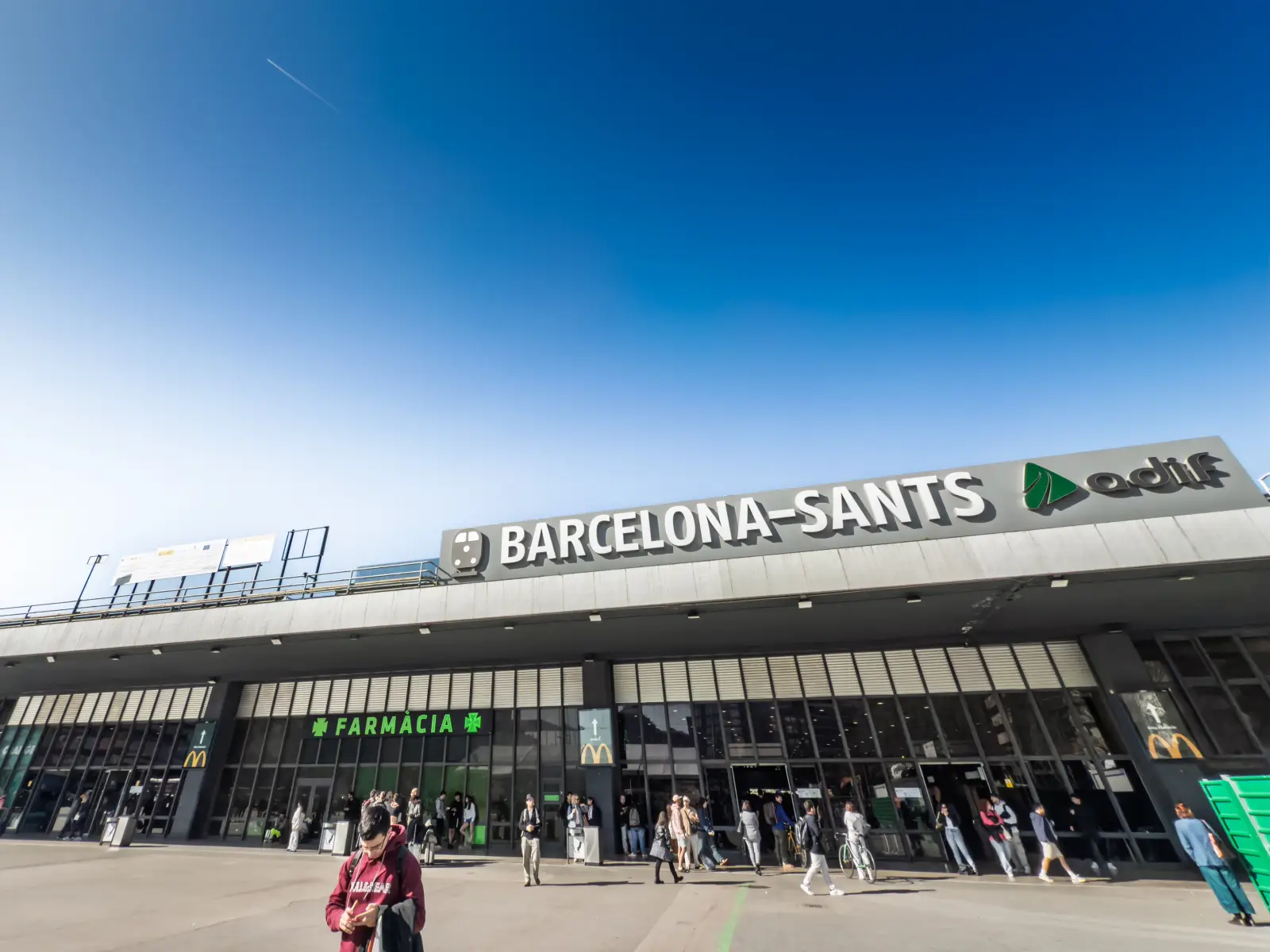
Photo Credit: BalkansCat / Shutterstock.com