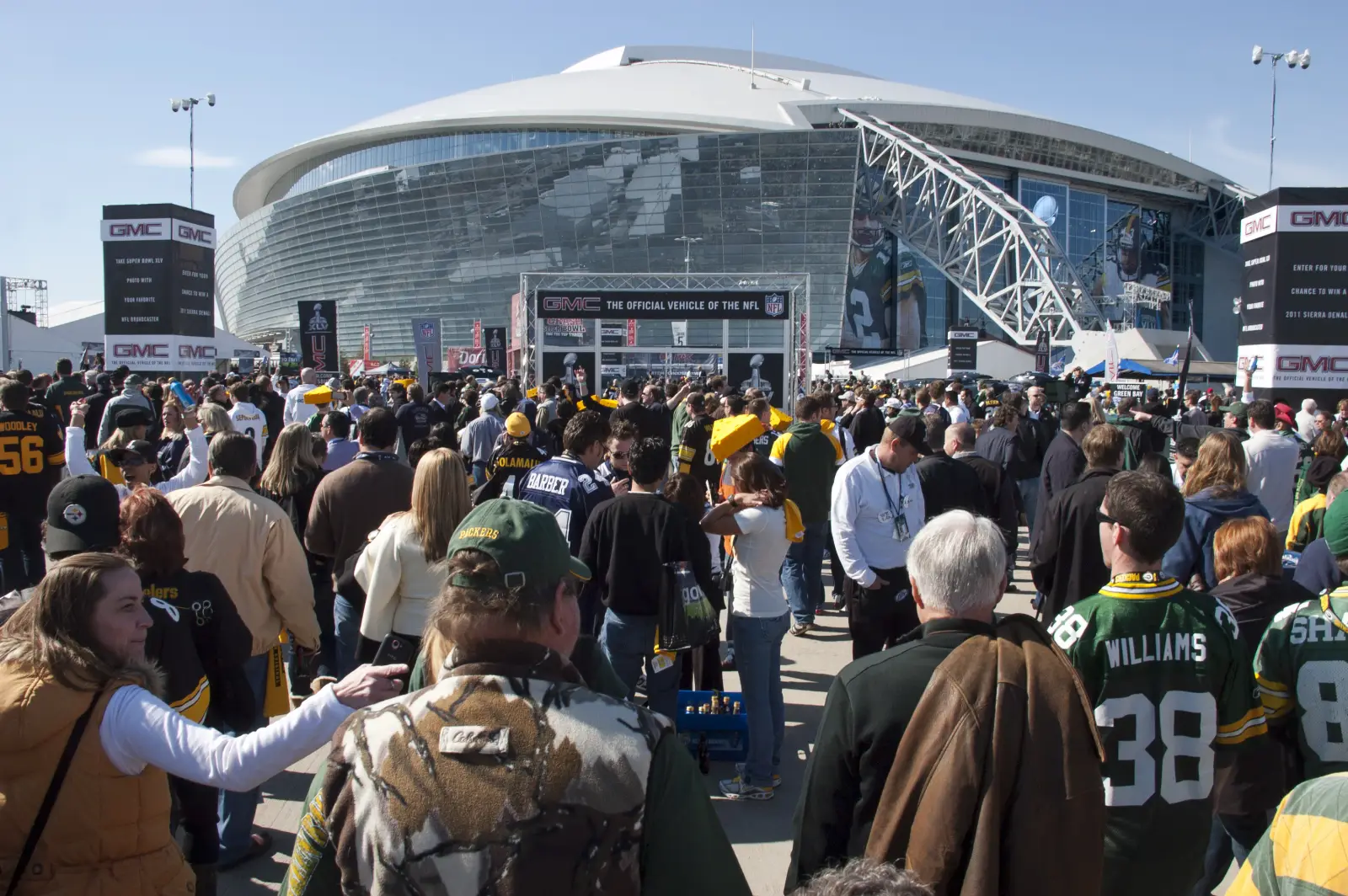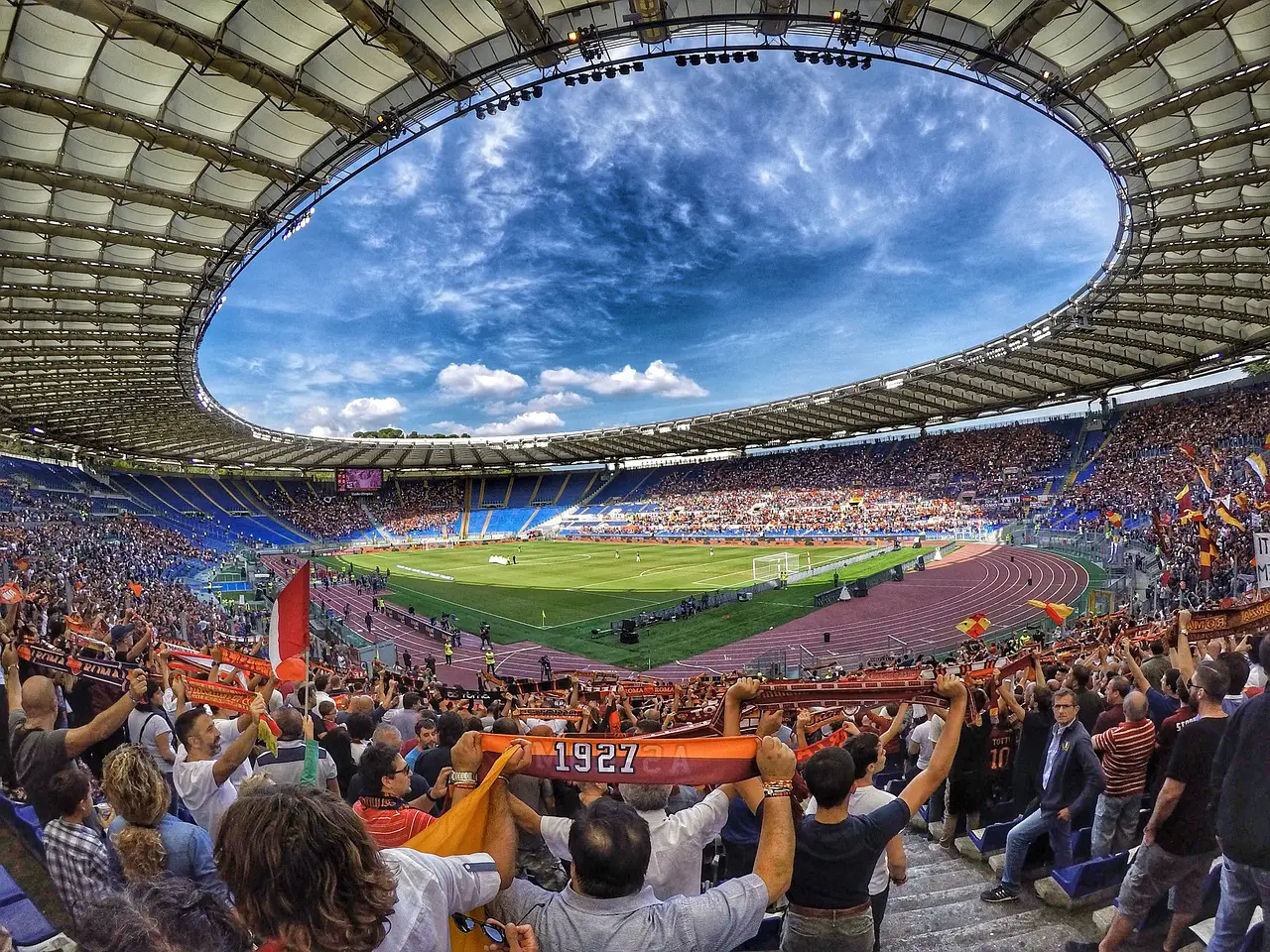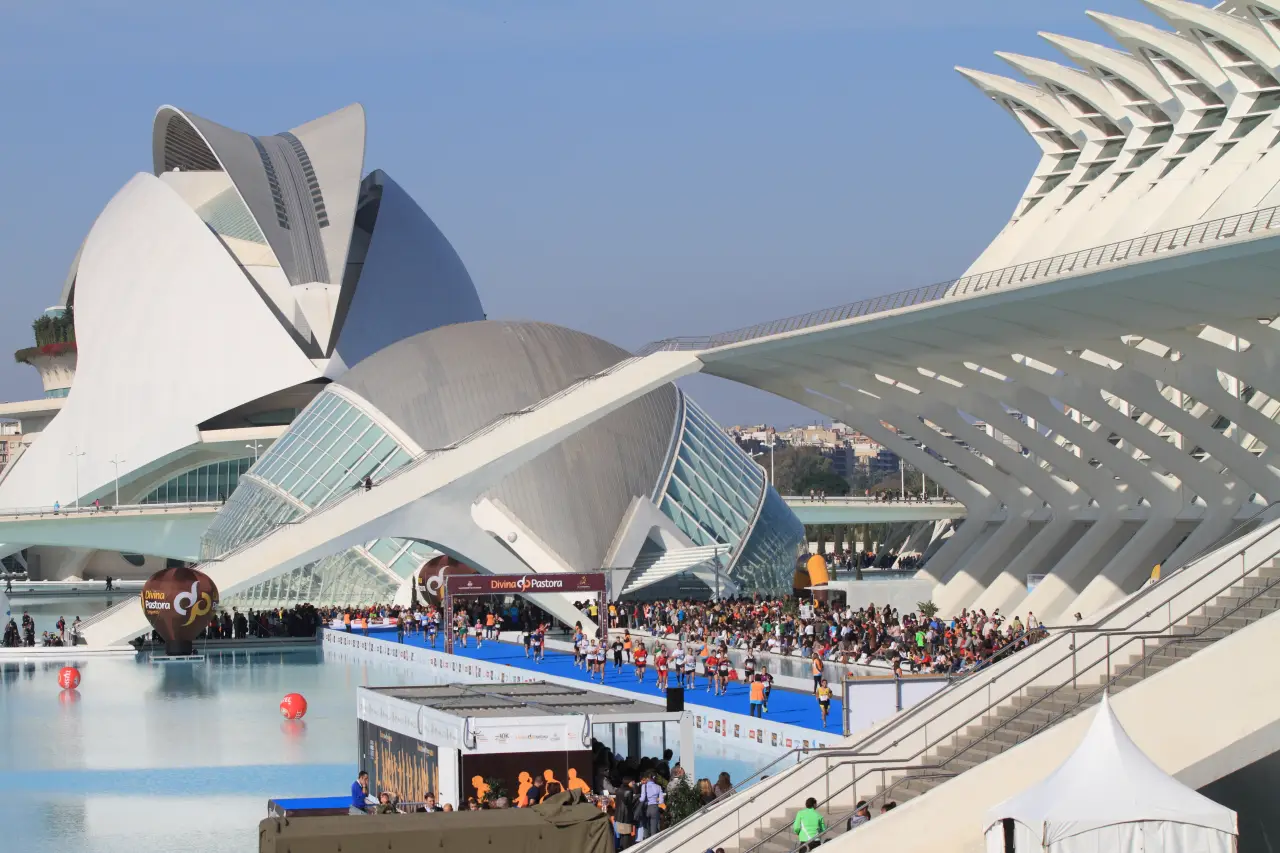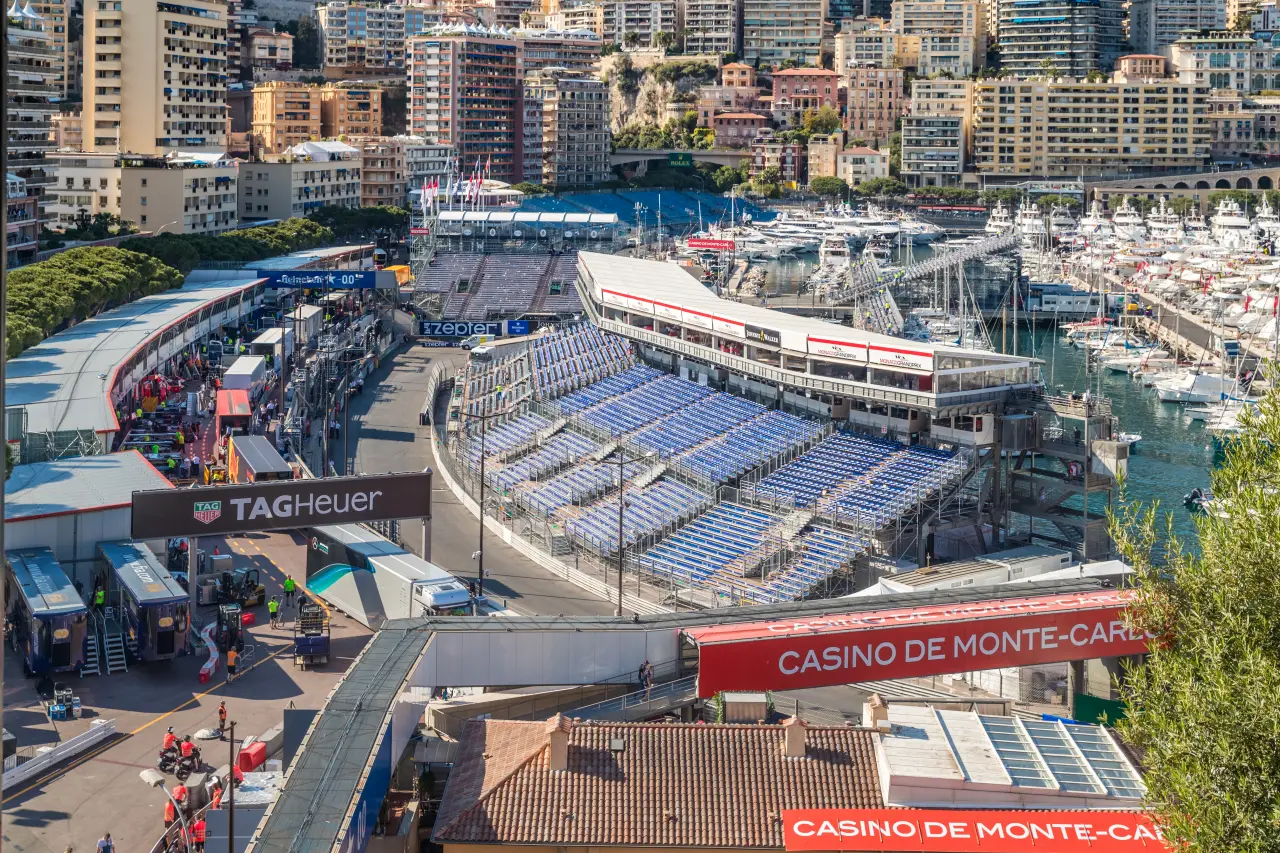
Sports Tourism 2.0 represents a fundamental reconfiguration of how fans travel, spend, and emotionally engage with live sports in 2026. No longer defined by a single match or weekend trip, modern sports travel has evolved into a digitally orchestrated journey that blends live events with culture, leisure, mobility, and technology.
At the center of this evolution is the rise of unified digital ecosystems that eliminate friction, personalize experiences in real time, and extend economic value far beyond stadium gates. For the global travel industry, sports tourism has become one of the most sophisticated testing grounds for high-performance digital infrastructure.
The Fan Journey as a Pilgrimage
The contemporary sports fan approaches travel as a pilgrimage, shaped by emotional loyalty, personal identity, and lifestyle aspiration. In 2026, this journey begins months before kickoff and often extends well beyond the final whistle, driven by mobile-first planning tools and flexible work patterns that allow fans to design longer, experience-rich itineraries. The expectation is no longer convenience alone but continuity: every interaction, from visa processing to stadium entry, must feel connected and intentional. This mindset has elevated sports tourism into a high-value segment where emotional engagement directly translates into longer stays, deeper local immersion, and higher discretionary spending.
The tri-nation structure of the 2026 World Cup across the United States, Canada, and Mexico has become a defining catalyst for this shift. Fans are building itineraries that move fluidly across borders, pairing match attendance with beach weekends, culinary exploration, and urban sightseeing. A single tournament now anchors multi-country journeys, reinforcing the idea that live sports function as experiential hubs rather than isolated destinations. This format has accelerated demand for platforms capable of managing currencies, languages, transportation systems, and cultural touchpoints within one seamless digital flow.
From Destination Trips to Experience Chains
Sports tourism has transitioned from destination-based travel into interconnected experience chains that unfold over time and geography. Fans no longer evaluate trips by the quality of the event alone but by how effectively the entire journey is choreographed. Flights, accommodations, transportation, dining, and entertainment are expected to synchronize without manual coordination. This evolution has expanded trip duration and diversified spending patterns, benefiting cities that can integrate sports into broader lifestyle narratives rather than relying solely on stadium attendance.
In this environment, live events act as accelerators for local economies by pulling multiple sectors into a single consumption cycle. Sports travelers move seamlessly from matches to neighborhoods, nightlife districts, and cultural venues, guided by mobile platforms that adapt in real time. The result is a tourism model where sports serve as the emotional anchor while digital infrastructure ensures continuity and relevance throughout the journey.
Mixed-Use Stadium Districts as Economic Engines
Stadiums in 2026 operate as anchors within year-round mixed-use districts designed to capture fan engagement before and after events. These precincts integrate hotels, restaurants, retail, entertainment, offices, and public spaces into walkable ecosystems supported by smart infrastructure. The economic logic is rooted in dwell time: the longer fans remain within a curated environment, the greater the opportunity for diversified spending and brand interaction.
This transformation has reshaped urban development strategies, with event calendars influencing hospitality occupancy, retail planning, and mobility investments. Stadium districts now function as continuous experience zones rather than episodic venues, allowing cities to monetize sports tourism well beyond game days. The final whistle no longer marks the end of economic activity but a transition into extended leisure consumption.
Benchmarking the Mobile Experience
Digital performance has become a non-negotiable expectation within Sports Tourism 2.0. Travelers demand mobile tools that deliver instant responsiveness, secure authentication, and real-time updates without interruption. Any delay in payments, ticket validation, or itinerary changes erodes trust and diminishes perceived value. As a result, sports travelers increasingly benchmark travel platforms against consumer applications known for speed and reliability.
In this context, the best sports betting apps have emerged as a technical reference point, not for wagering itself but for the standards they set in secure payment stacks, real-time data feeds, and high-performance user interfaces. Fans accustomed to sub-second updates and frictionless transactions now expect the same level of digital precision from airlines, hotels, and ticketing platforms.
AI-Driven Logistics and Real-Time Orchestration
Artificial intelligence underpins the operational backbone of Sports Tourism 2.0 by compressing planning cycles and enabling dynamic adaptation. AI systems now coordinate flights, accommodations, ground transport, and event schedules within unified dashboards that respond instantly to delays, demand surges, or environmental disruptions. This orchestration removes cognitive load from travelers while optimizing resource allocation for providers.
A clear illustration of this capability is the San Antonio Spurs, who used AI to generate complete season travel logistics in 20 minutes. What once required weeks of manual planning is now executed in minutes, demonstrating how machine intelligence is redefining efficiency standards across sports operations and travel management. This acceleration allows organizations to focus on experience quality rather than logistical complexity.
Hyper-Personalization Through Sentiment Data
Personalization in 2026 extends far beyond static user preferences. Travel platforms now analyze real-time fan sentiment, behavioral signals, and contextual data to tailor experiences dynamically. Recommendations evolve based on emotional state, game outcomes, crowd energy, and location, ensuring that experiences feel timely and authentic rather than generic.
Fans celebrating a victory may receive curated nightlife or dining suggestions, while those processing a loss are guided toward quieter cultural or wellness experiences. This sentiment-aware approach strengthens emotional connection while increasing conversion rates for local partners. Hyper-personalization has become a core driver of both satisfaction and revenue within sports tourism ecosystems.
Frictionless Payments and Identity Layers
Payments and identity verification operate invisibly within advanced sports tourism platforms. Digital wallets, biometric authentication, and tokenized credentials allow fans to move across borders, venues, and services without repeated verification. This reduction of transactional friction increases spending confidence and minimizes abandonment at critical touchpoints.
Trust has effectively become infrastructure. Secure, fast, and interoperable payment systems are no longer competitive advantages but baseline requirements for participation in the global sports travel economy. Fans expect financial interactions to disappear into the background, allowing focus to remain on experience rather than process.
Data-Unified Mobility and Smart Transport
Mobility in Sports Tourism 2.0 is orchestrated through data-unified platforms that integrate public transit, ride-sharing, micro-mobility, and venue access. Real-time analytics predict crowd movements, redirect traffic flows, and reduce congestion without compromising safety or punctuality. This predictive capability transforms sports events from logistical stress tests into manageable, optimizable systems.
For host cities, smart mobility enhances both resident quality of life and visitor satisfaction. Fans arrive and depart efficiently, reducing friction while increasing the likelihood of repeat visits. Mobility has become a strategic layer of the fan experience rather than a background utility.
The Economic Impact of Digital Immersion
The financial implications of Sports Tourism 2.0 are substantial and data-driven. Sports tourists are among the highest-value travelers, spending an average of $1,500 per trip as a result of premium experiences, extended stays, and digitally connected services. This behavior underpins a global sector projected to surpass $2 trillion by 2030.
Growth is driven not by attendance volume alone but by value density. Digitally immersive ecosystems increase per-trip spend by aligning emotional engagement with seamless consumption opportunities across travel, hospitality, entertainment, and retail.
Strategic Implications for Travel and Sports Stakeholders
Sports Tourism 2.0 demands a strategic shift from isolated optimization to ecosystem participation. Travel executives, hospitality providers, tourism boards, and technology investors must collaborate within shared digital frameworks to meet frictionless standards. Competitive advantage in 2026 is defined by interoperability, data transparency, and experience continuity rather than individual service excellence.
Organizations that fail to integrate into these ecosystems risk exclusion from the high-value fan journeys shaping the future of global sports travel. Those that succeed position themselves at the intersection of emotion, technology, and mobility, where the next decade of tourism growth is being written.
Photo Credit: Drozdin Vladimir / Shutterstock.com