Valencia is reporting sharp growth in sports-focused tourism, with new data from regional and national authorities showing that active travel is becoming a major economic driver across the Valencian Community.
According to the regional secretary for tourism, José Manuel Camarero, 292,000 visitors now travel to the region each year specifically to participate in sporting events, with international arrivals in this segment rising 23% in the past year.
The surge is reshaping local tourism patterns, generating nearly 900,000 overnight stays and significantly boosting visitor spending. Figures from Spain’s National Statistics Institute show that domestic travelers attending sports events spend an average of €252, while international visitors spend €1,070. The trend aligns with national growth: international travelers linked to sports tourism spent more than €17.844 billion in 2024, a 7.6% increase over 2023.
Major events and economic impact
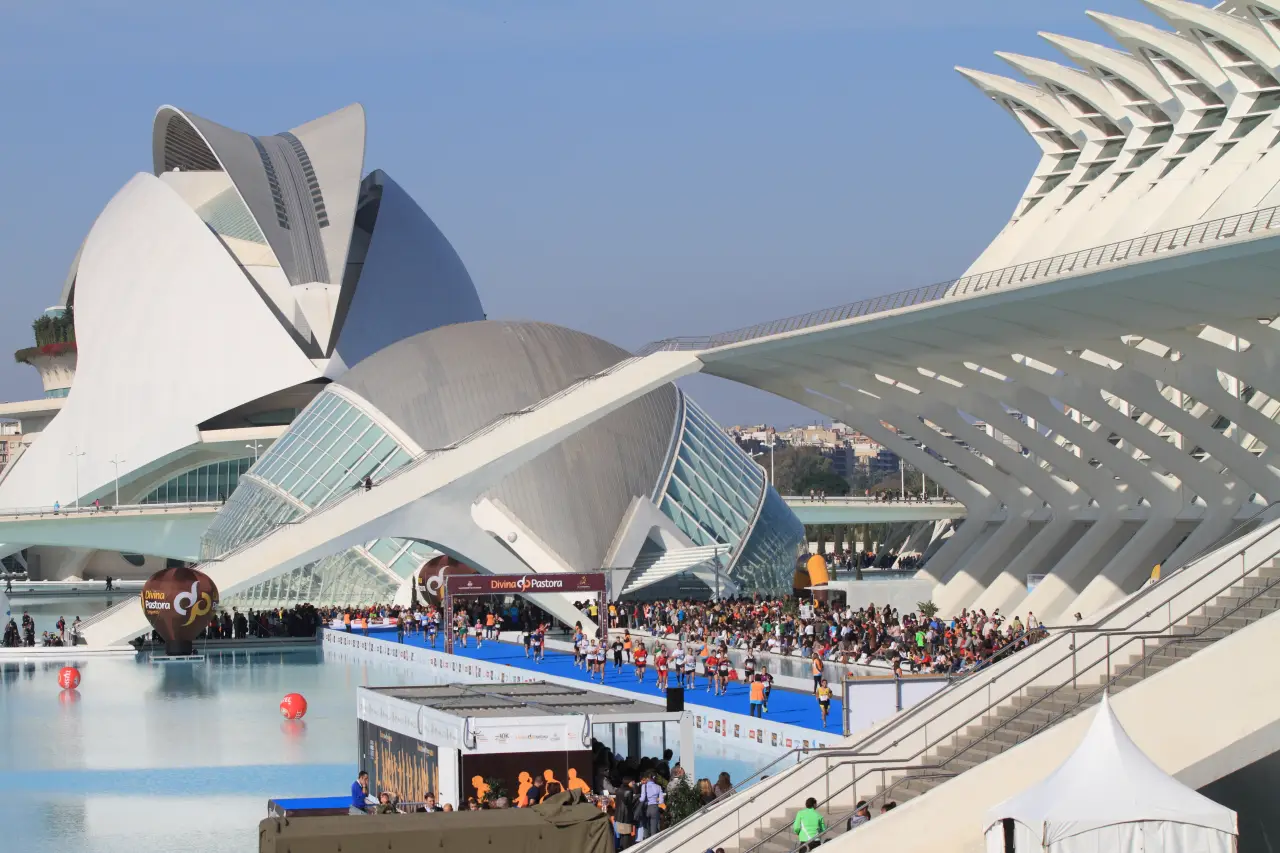
Camarero attributes the expansion of active tourism to a combination of large-scale events and a growing base of amateur participants seeking year-round activities. He highlights the role of high-profile competitions such as the Valencia Marathon and Valencia Half Marathon, which have helped position the city internationally. Juan Manuel Botella, managing director of SD Correcaminos, the club that organises both races, said “we have built two international events” over the last decade that represent “a step forward in the economic impact” of major competitions.
Data from the Valencian Institute of Economic Research show that the 2024 Valencia Half Marathon generated €13.6 million in tourism spending and nearly €5 million in fiscal impact. The Valencia Marathon, a larger event with 67% of participants arriving from abroad—often accompanied by family—produced almost €40 million in tourism-related economic impact and a further €13 million in fiscal returns. Botella noted the additional “circular impact” tied to running culture, from equipment purchases to travel for future competitions.
Diverse sports and new niches
Beyond flagship races, smaller sporting niches are collectively contributing to a growing active-tourism economy. The Valencian Community, with more than 340 public and private sports facilities, attracts visitors for cycling, hiking, rafting, golf, equestrian activities, sailing, padel and kayaking. Camarero said that cycling alone “moves a huge amount of people,” with professional teams holding preseason camps in the region—a trend that inspires amateur cyclists to replicate the routes they see.

Golf tourism is also expanding. A recent report by Cámara Alicante found that the sector generated €918 million, a 23% increase compared with five years earlier, attracting more than 325,000 visitors from outside the region. Other specialised events reinforce the diversification of the sector, including the international amateur darts championship in La Nucía and extended equestrian stays at the Oliva Nova Equestrian Centre, which draw large numbers of visitors and generate long-duration spending.
Smaller towns and inland municipalities are experiencing benefits as well. Hiking, cycle touring and adventure tourism—such as zipline parks—are attracting both school groups during the week and tourists on weekends. Newer activities, including “espeleokayak” in the caves of Sant Josep in the Vall d’Uixó, are also emerging as alternatives that appeal to travelers seeking unusual or immersive outdoor experiences.
Valencia has consolidated its reputation as one of Europe’s leading sports-tourism destinations, according to the city’s councillor for tourism and president of the Visit Valencia Foundation, Paula Llobet. She said that events such as the marathon, Ironman, Copa Davis and the MotoGP Grand Prix in Cheste attract “tens of thousands” of participants and spectators each year. Llobet noted that during major events, “hotel occupancy exceeded 90%, with high international participation generating significant economic impact and external promotion for the city.”
Llobet added that other competitions, such as the Trofeo SM La Reina sailing regatta and the Copa del Rey basketball tournament, reinforce the city’s long-term strategy. She said the aim is to “continue promoting a top-level, sustainable sports calendar that benefits residents, helps to reduce seasonality and projects the city’s values beyond our borders.”
As sports-linked travel continues to grow, regional and municipal leaders see active tourism as a strategic pillar for diversifying demand, strengthening year-round visitation and expanding local economic opportunities. With major events, improved facilities and rising interest in adventure and outdoor activities, the Valencian Community is positioned to remain a leading destination for active holidays in the years ahead.
Top Photo Credit: FCG / Shutterstock.com