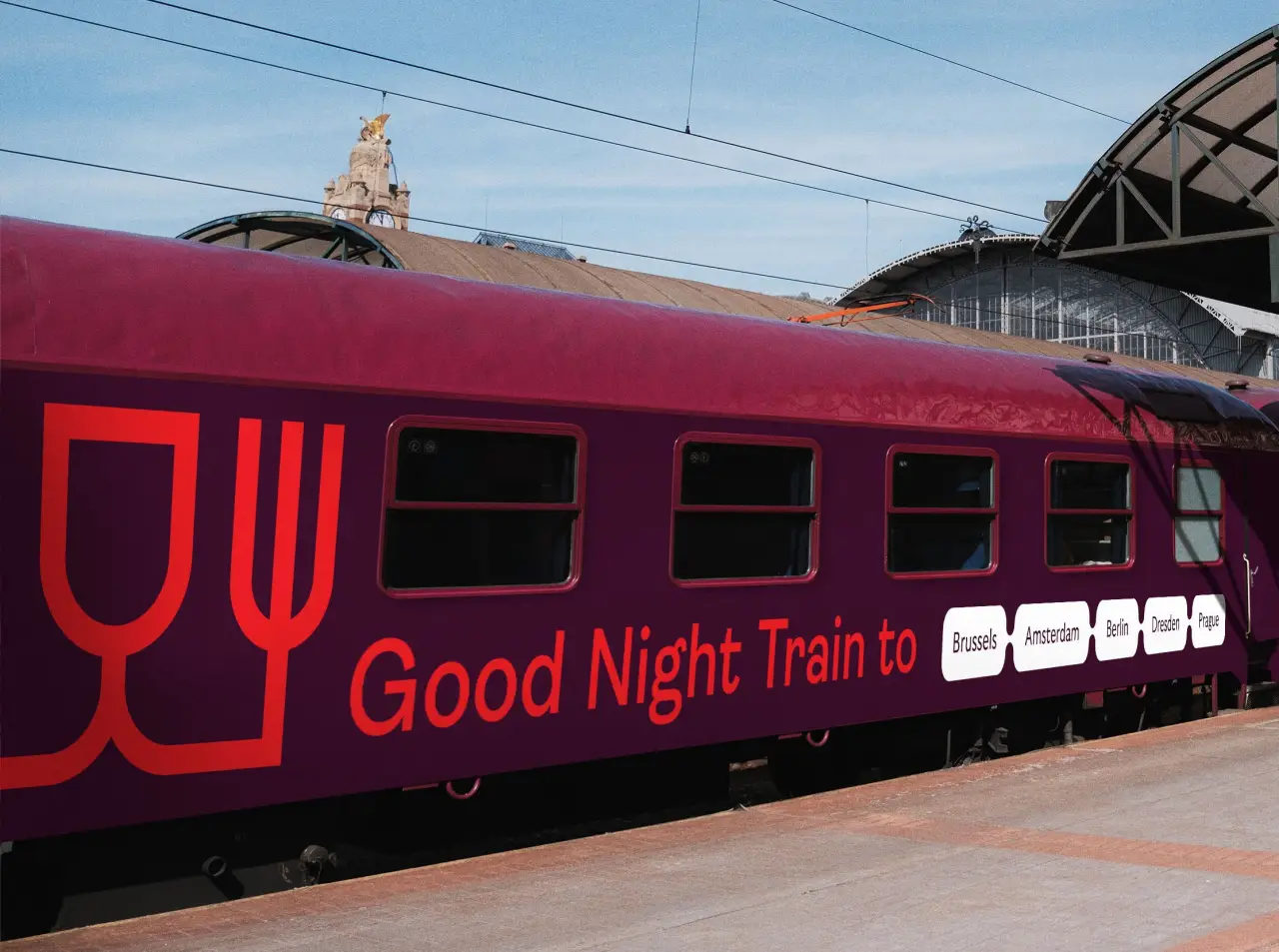
France plans to introduce new night-train carriages from 2029, following an announcement by Transport Minister Philippe Tabarot during a Senate hearing on 5 November, outlining a major renewal of rolling stock across eight long-distance sleeper routes. The plan is tied to an ongoing government tender for 180 carriages and 27 locomotives, with nearly €1 billion allocated to the firm order under the 2026 national budget proposal currently under debate.
The new trains are scheduled for the Paris–Briançon, Paris–Nice, Paris–Cerbère, Paris–Toulouse, Paris–Latour-de-Carol, Paris–Tarbes, Paris–Aurillac and Paris–Rodez lines. The upgrade also prepares the routes for upcoming competition, as French rail legislation requires phased tendering of public passenger rail services between 2022 and 2031. SNCF Voyageurs said contracts for night-train operations are expected to be awarded by late 2028 after a call for candidates.
State investment and the renewal programme
The tender launched in February includes optional tranches that could expand the order depending on future demand. The firm tranche, close to €1 billion, is part of the 2026 draft budget. Tabarot highlighted the urgency of replacing ageing equipment, stating, “We know that we need new rolling stock. What is important in this budget is to be able to approve more than €1 billion for this equipment so that it arrives before 2030.” He described the investment as proof of ongoing government support for overnight rail services.
The minister added, “It is proof that the State is not withdrawing from night trains, quite the opposite,” underscoring the intention to modernise the fleet rather than scale it back. The programme aims to ensure the new carriages enter service before the end of the decade, providing updated comfort standards and reducing delays and mechanical issues linked to older rolling stock.
Competition and operational framework
The new carriages align with France’s broader transition toward competitive tendering in public rail operations. During the Rencontres Nationales du Transport Public in Orléans, SNCF Voyageurs confirmed that the eight night-train lines will eventually be opened to competition. The company indicated that the provisional timeline foresees selecting operators by late 2028, in line with national legal requirements and European rail liberalisation rules.
The lines affected by the investment connect Paris to destinations across the Alps, the Mediterranean and the Pyrenees. They serve regions that have seen renewed interest as overnight rail regains visibility across Europe. Night trains have drawn increased attention from sustainability-focused travellers seeking alternatives to domestic and short-haul flights.
Many of France’s current night-train carriages date back decades, creating operational challenges and limiting the network’s ability to expand. The procurement of 180 new carriages and 27 locomotives is designed to replace this aging fleet and support future competition. The optional portions of the tender would allow France to increase the order based on performance, budget availability and passenger demand.
The law governing the transition to competitive tendering requires progressive opening of public passenger rail services between 2022 and 2031. While SNCF Voyageurs remains the incumbent operator, it will have to compete in future tenders for the network. Officials have emphasised that the staged transition is intended to maintain service continuity while complying with regulatory deadlines.
The investment also positions France within a wider European movement to modernise night-train services. Several countries have recently renewed their fleets or launched new routes, responding to demand for lower-emission mobility options. Although France has framed this procurement primarily as an operational necessity, the shift aligns with broader mobility and sustainability goals.
The arrival of the new rolling stock from 2029 marks one of the most significant updates to France’s night-train offering in decades. As the tender progresses and competition is introduced, operators and passengers will see a reshaped overnight network designed to expand travel options, improve reliability and strengthen long-distance connectivity across the country.