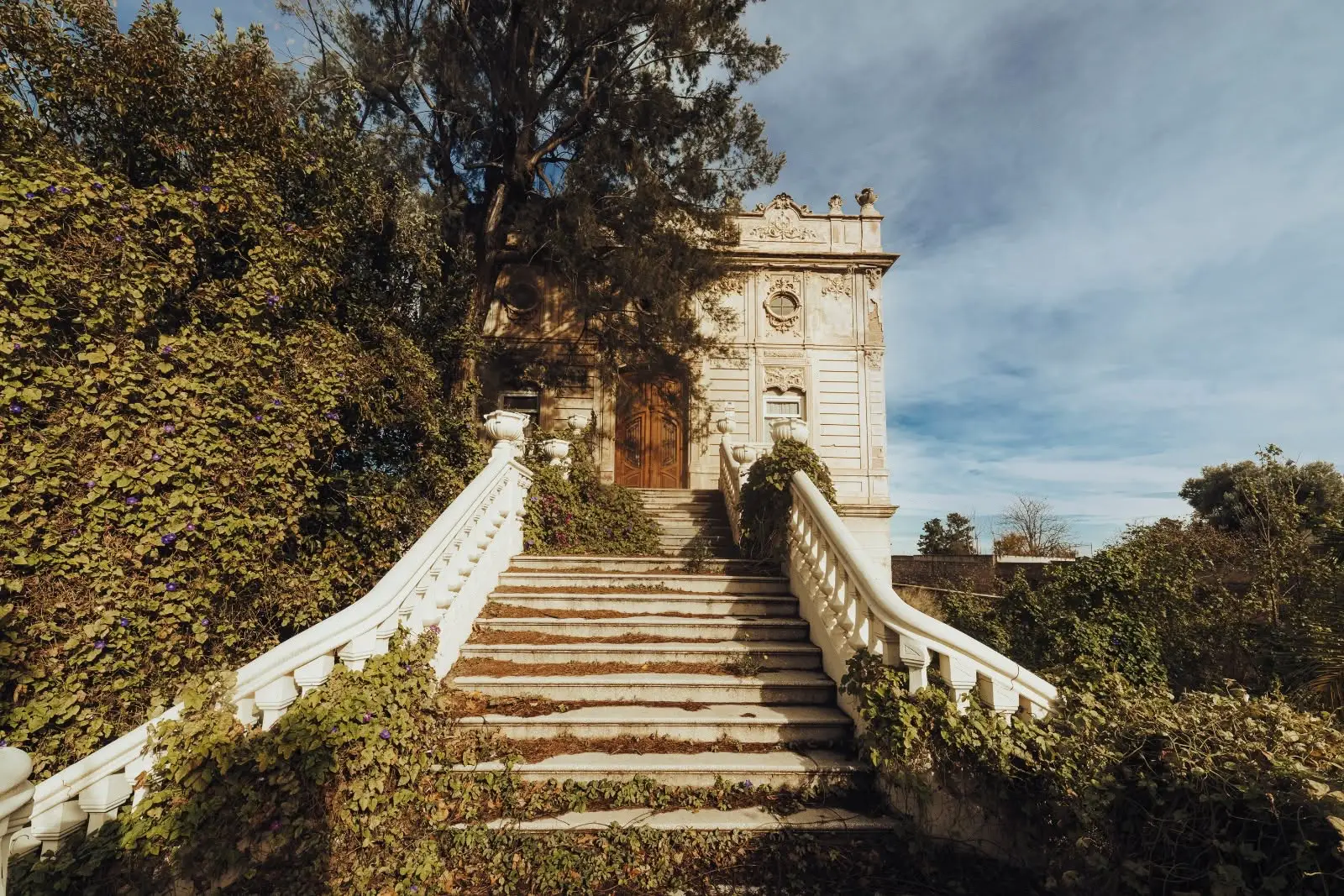
Construction has begun on the long-awaited redevelopment of Convent Carmen, one of Valencia’s most recognisable heritage sites, which will be transformed into a hotel, restaurant and performing arts venue under a phased plan led by developer Gramami SL.
The project centres on the former Convent of San Jose and Santa Teresa, a protected historic complex situated beside the old Turia riverbed in Valencia’s El Carmen neighbourhood. The site originally dates to 1609 and was later restored and expanded in 1970. It first came to wider public attention when it reopened in September 2018 as a cultural and gastronomic space, attracting more than 400,000 visitors in its first 17 months and hosting over 350 events including concerts, debates, workshops and film screenings.
That earlier chapter came to an abrupt end in 2020, when Valencia City Council ordered the closure of the complex after officials found that the activity being carried out did not match the terms of the original opening declaration. The former promoters — businessmen Santiago Máñez and Juan María Sánchez — described the closure as an act of administrative injustice and challenged it in the courts. The site remained shut to the public for the years that followed, although administrative processes continued behind the scenes.
Under the current ownership, Gramami SL received a green light from Valencia City Hall in September 2024, when the council granted the intervention licence needed to convert the historic convent into a hotel. Construction has now started behind perimeter fencing that has been requested until 25 October 2025, marking the formal beginning of work on the site.
The redevelopment is divided into three distinct elements. The hotel, to be called Calma Wellbeing, will occupy approximately 2,500 square metres across the ground, first and second floors of the complex and will have around 40 rooms — slightly fewer than the 44 originally planned. A restaurant will be located on the hotel ground floor and will be open to both guests and members of the general public. A separate bar is also planned, though its concept and identity have not yet been finalised. Gramami has described the food and beverage offer as carefully curated and in keeping with the wider wellbeing focus of the project.
The church building within the complex is expected to be its most architecturally striking element. Designed by studio Francesc Rifé in its previous incarnation, the space features a structure more commonly associated with a temple and the visual character of a palace. It has now received a licence permitting it to operate as a venue for performing arts and spectacles, though the future cultural programme has not yet been set. The second phase of construction will focus on this space, which will require a lighter restoration given that it was already stripped back architecturally during its earlier life.
One notable change from the earlier version of the site concerns the courtyard. During the complex’s first life, the garden courtyard served as an open-air dining and concert space, but Gramami says it has not received permission for gastronomic use this time. Neighbours had previously raised complaints about noise from the outdoor area, and the new terms require the courtyard to remain quiet and low-impact, with no smoke extraction and no disturbance to surrounding residents. The space may still be accessible in a limited way as a walkable garden, but its active use will be significantly curtailed compared with the past.
Gramami says it intends to hand day-to-day management across all three parts of the complex to an external operator, who will also shape the final character and programming of the venue. The company says it is in discussions with several potential operators and expects to finalise an agreement before the end of 2026. The appointment will be significant, as the operator’s vision is expected to influence the overall look and feel of the project.
The full complex is targeted to open by January 2028, a timeline that would bring a five-year closure to an end and restore one of the city’s most distinctive and debated heritage spaces to public life. Whether the new Convent Carmen will closely resemble its earlier version remains to be seen, given the changes in ownership, management structure and permitted uses — but the redevelopment marks a significant step forward for a site that has remained administratively active even during its years of public closure.
Photo Credit: Facebook/conventcarmen