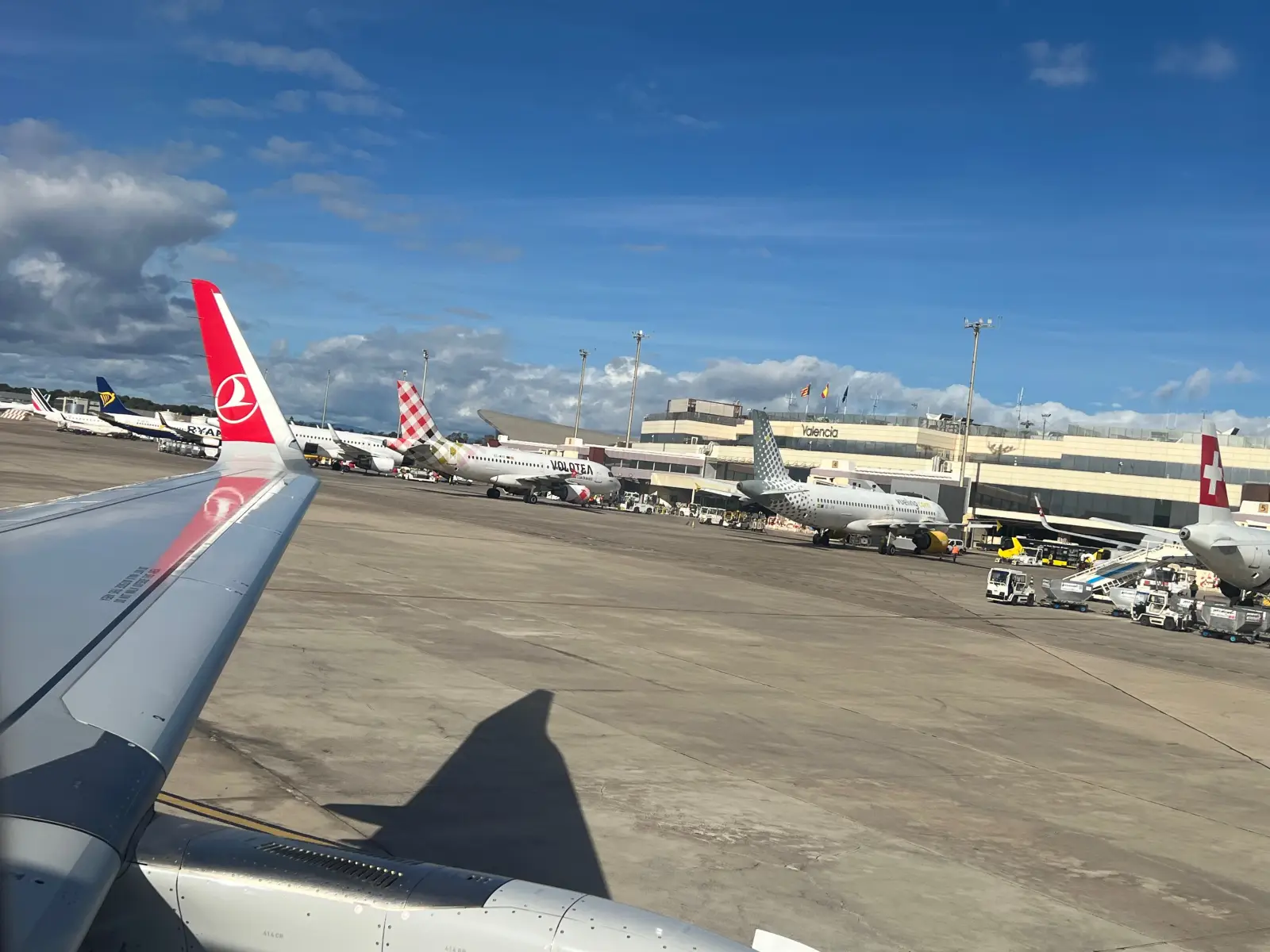
Valencia Airport is set to receive a €402.1 million investment covering a full terminal overhaul, runway works and a photovoltaic plant that will rank as the third largest in Spain, behind only Madrid and Barcelona. The director of Valencia Airport, Antonio García, outlined the plans during the closing session of the general assembly of Hosbec, the Valencian hotel association.
García described the investment as a disruptive upgrade that will fundamentally change how the airport operates. The works fall within AENA’s next DORA regulatory period and span infrastructure, energy and passenger flow improvements across the entire site.
The centrepiece of the plan is a redesigned terminal that will replace the current three-block structure, which reflects the building’s historical expansions. García said the new concept will unify check-in, baggage handling and other operations into a single, streamlined flow capable of handling current and future passenger volumes.
“We currently operate three blocks that correspond to the terminal’s historical expansions,” said Antonio García, Director of Valencia Airport. The new design aims to resolve the operational fragmentation that has built up over successive phases of construction.
Beyond the terminal, the investment includes resurfacing the runway, upgrading taxiways and widening them in line with works already completed at Alicante-Elche Airport. The project also covers improvements to hydraulic drainage capacity and the perimeter road network.
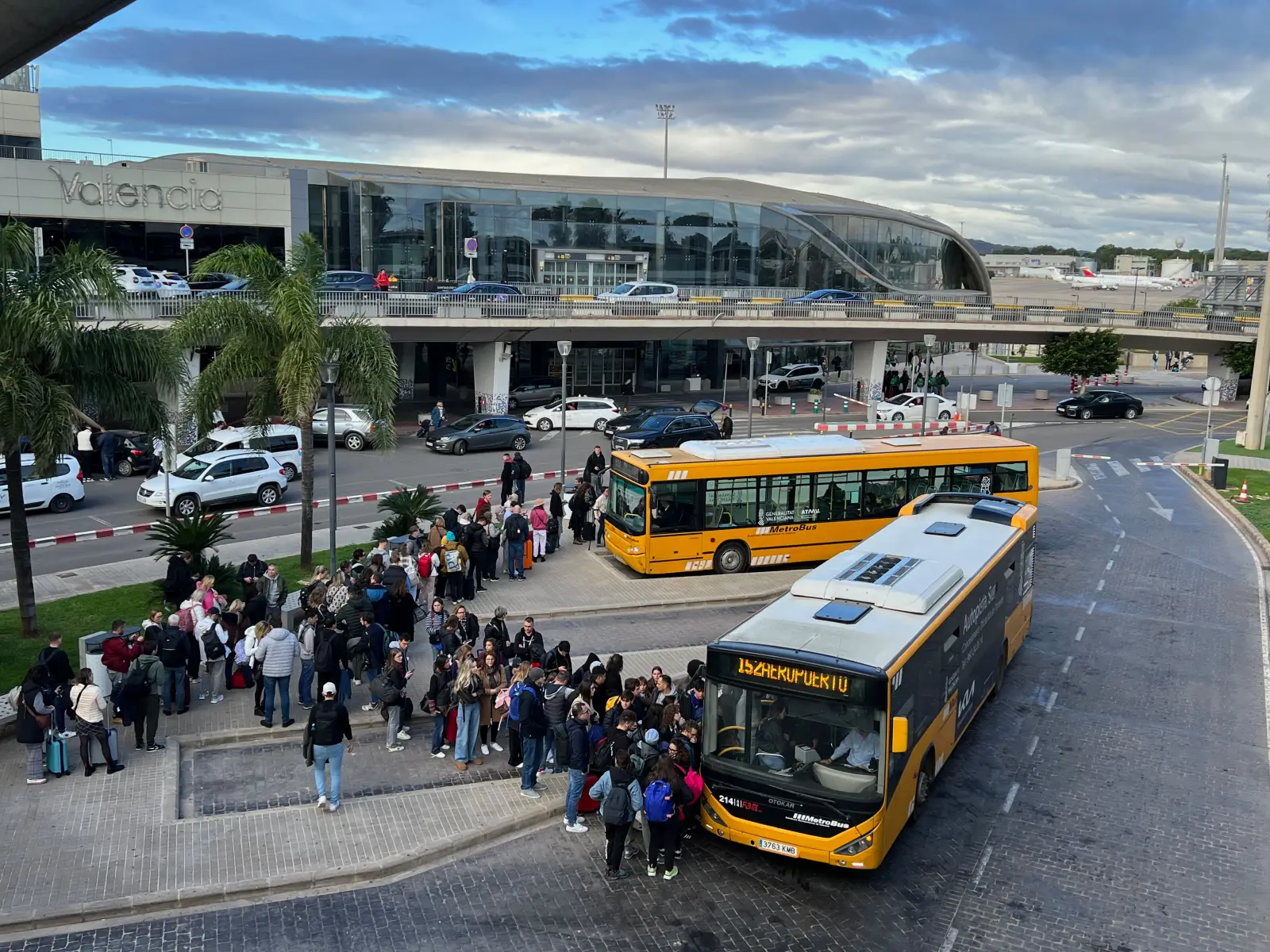
A new multi-storey car park for season ticket holders will be built, and the taxi rank will be expanded. A new access road is planned to prevent traffic congestion at the airport entrance, and southern land will be repurposed for additional car rental facilities.
The photovoltaic plant forms part of AENA’s wider renewable energy programme. Once complete, it will be the third largest solar installation within the AENA network, after those at Madrid Barajas and Barcelona El Prat.
García also highlighted recent completed investments at the airport, including the remodelling of security filters, upgrades to the international non-Schengen passport area and the construction of a new terrace adjacent to the boarding areas.
On the airport’s role within the region, García described Valencia’s Manises Airport as complementary to Alicante-Elche, noting its connections to major European hubs and its intercontinental service to Montreal, Canada, which Alicante does not offer.
Passenger traffic figures underline the scale of the challenge ahead. Data from the first quarter shows that even in low-season months, passenger numbers at Valencia Airport exceed one million. García noted that the reduction of seasonality is now a confirmed trend, increasing the pressure on the airport to manage passenger flows consistently throughout the year.