Vail has spent decades being defined by winter. The ski runs, the après culture, the season passes. But ask anyone who has visited between June and September, and they will tell you the same thing: summer in Vail is not the off-season. It is an entirely different season, and for a growing number of luxury travelers, it is the preferred one.
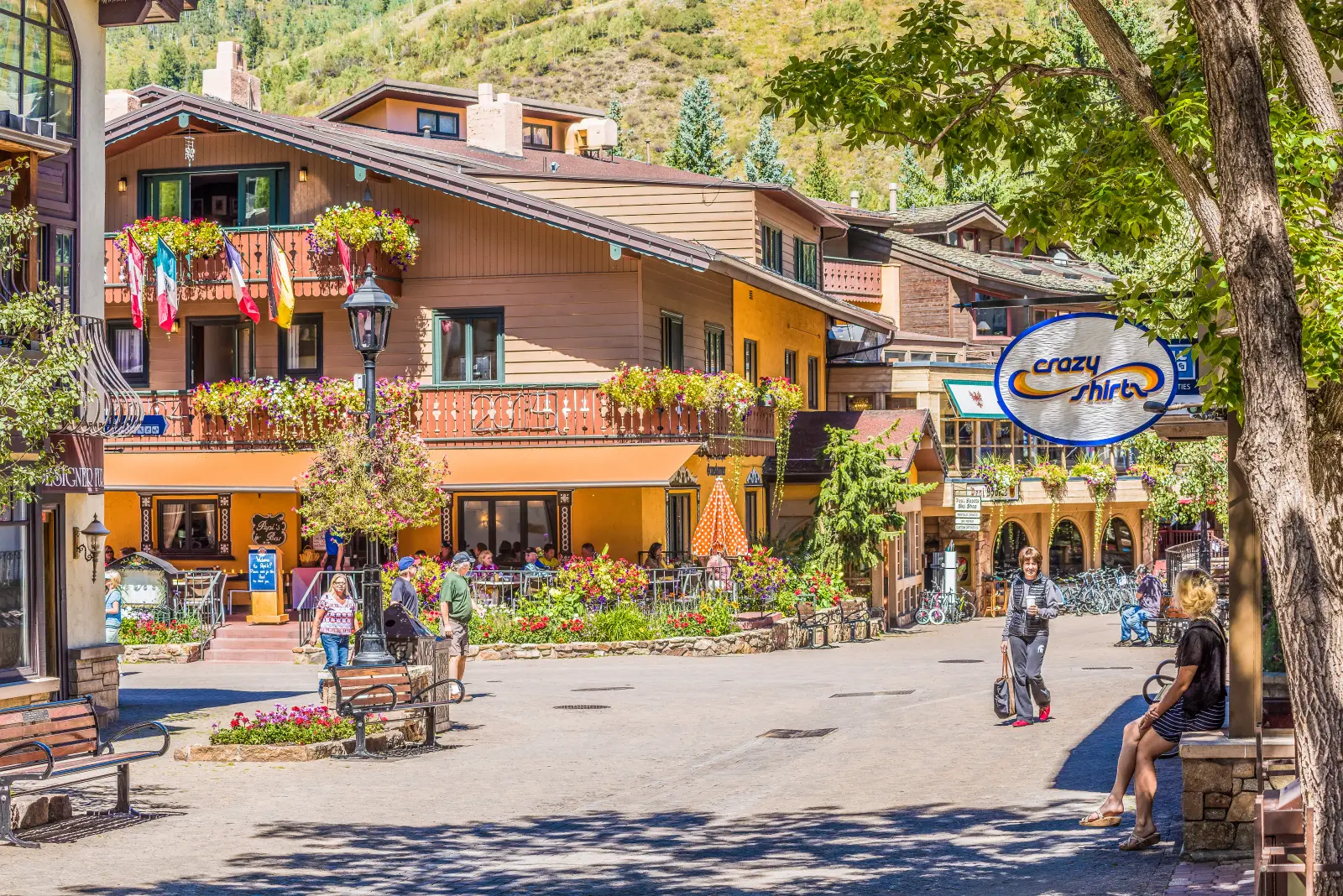
The crowds thin. The prices soften relative to peak winter. And the mountain, freed from its snow cover, reveals an entirely different landscape of hiking trails, alpine meadows, outdoor dining terraces, and cultural programming that competes seriously with anything the ski calendar offers.
The Music Calendar Alone Justifies the Trip
Vail’s summer cultural identity runs deeper than most visitors expect before their first visit. The Bravo! Vail Music Festival, held annually at the Gerald R. Ford Amphitheater, is the only festival in North America to host four of the world’s finest orchestras in a single season. More than 60 concerts fill the summer calendar, with nearly half presented free of charge, drawing audiences from well outside Colorado for performances that belong in the same conversation as any major urban festival season.
The Gerald R. Ford Amphitheater anchors the outdoor entertainment calendar across the full summer. A few recurring highlights worth planning around:
- Bulleit Hot Summer Nights – Free concerts on select Tuesday evenings throughout the season, voted the number one outdoor concert series in the country by USA Today readers.
- Vail Dance Festival – An internationally recognized dance program that brings companies from across the world to an outdoor stage with the mountain as its backdrop.
- Amp Summer Concerts – A season-long series covering rock, country, bluegrass, and comedy with headliner acts performing through late summer.
- Bravo! Vail Orchestral Series – The flagship programming that draws classical music audiences who plan their summer travel specifically around the performance calendar.
Dining That Earns the Altitude
Vail’s restaurant scene operates at an elevation that matches its geography, and in summer, with terrace seating open and festival crowds in town, it runs at full capacity. A few tables worth knowing before you arrive:
- Sweet Basil on Gore Creek Drive has held its position as one of Colorado’s most respected mountain restaurants for over four decades. The menu shifts seasonally, leans into local sourcing, and books out well in advance during festival weeks.
- La Tour brings a French-influenced approach to alpine ingredients in a setting that suits a long dinner after an afternoon on the trails.
- Mountain Standard runs a kitchen focused on wood-fired cooking and Colorado-raised proteins, with a dining room that fills early on concert nights.
- Matsuhisa Vail brings Nobu Matsuhisa’s Japanese-Peruvian menu to the mountain, one of the more unexpected fine-dining options in the village, and consistently one of the most requested tables for visitors looking for something beyond alpine cuisine.
- Sonnenalp Swiss Chalet remains one of the few restaurants in the American West where fondue and raclette feel genuinely appropriate rather than theatrical. The Bavarian lodge setting makes the meal feel like part of the destination.
Outdoor dining expands considerably from late May through September. Vail Village’s terrace restaurants open their full exterior seating along Gore Creek, with direct sightlines to the mountain faces above. On warm July evenings, those terraces fill quickly and hold their energy well into the night. Reservations are worth making earlier in the day than most visitors expect.
On nights when the itinerary moves between a pre-concert dinner at Sweet Basil, a performance at the Gerald R. Ford Amphitheater, and a late drink in Lionshead, the most practical solution many Vail visitors land on is booking a high-end transportation company for the evening. The village is walkable, but the distances between neighborhoods add up after a full day on the mountain.
Where to Stay: The Luxury Tier
The Four Seasons Resort Vail sets the standard for summer accommodation in the valley. The property offers a mountain-view heated outdoor pool, private balconies, complimentary bikes for exploring Vail Village, poolside cocktails, and access to guided hikes arranged through the concierge. In summer, the rate drops considerably relative to ski season while the service level remains constant.
The Arrabelle at Vail Square in Lionshead Village operates at a similar tier with a European-style character that suits the summer pace particularly well. Montaneros In Vail offers upscale American fare with mountain views, and the property includes a rooftop hot tub with panoramic sightlines across the valley.
For travelers who prefer a more intimate property, The Sebastian Vail offers boutique-scale luxury with contemporary mountain design and direct access to Lionshead’s dining and shopping corridor. The property caters to a different kind of guest than the resort flagships — those who want a curated, low-key stay without sacrificing quality at any level.
Getting to Vail: The Part Most Travelers Underplan
Denver International Airport sits roughly 100 miles from Vail via I-70 West, a ride that runs between 1 hour 45 minutes and 2 hours 30 minutes, depending on mountain corridor traffic and weather. The route crosses several high-elevation segments that require full focus, particularly during afternoon thunderstorm windows common throughout July and August.
Visitors, especially those arriving for multi-night festival stays with luggage and equipment, choose to book a DEN airport car service rather than navigate the mountain roads after an early-morning or red-eye flight.
Why Summer in Vail Is Worth Reconsidering
The case for Vail in summer comes down to a simple observation: everything that makes the mountain worth visiting in winter is still there, and several things that are not possible in winter are. The cultural calendar, the open trails, the dining terraces along Gore Creek; none of it requires snow to deliver.
The travelers arriving in July already know this. The ones who have only been in January are starting to find out.
Photo Credit: Andriy Blokhin / Shutterstock.com