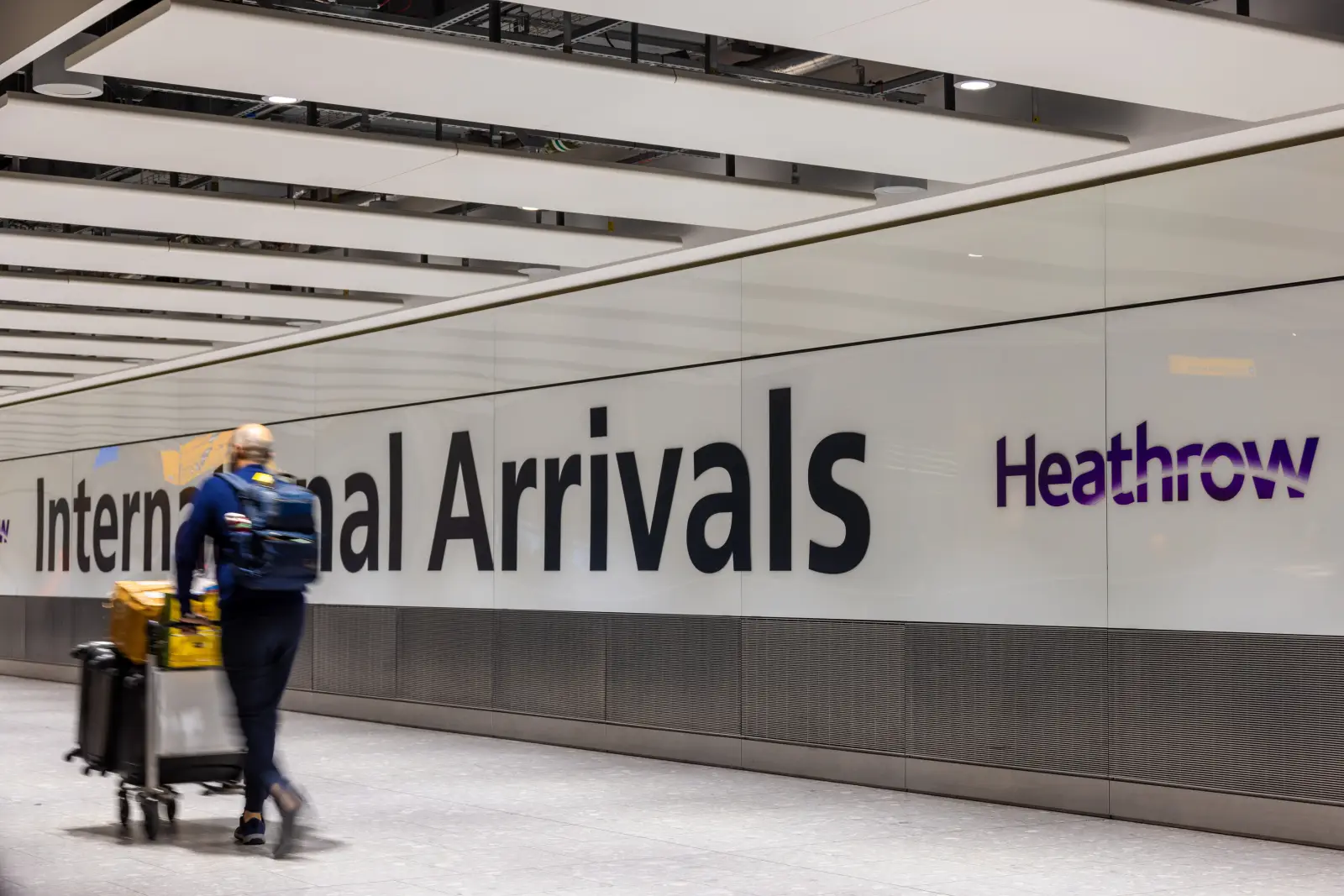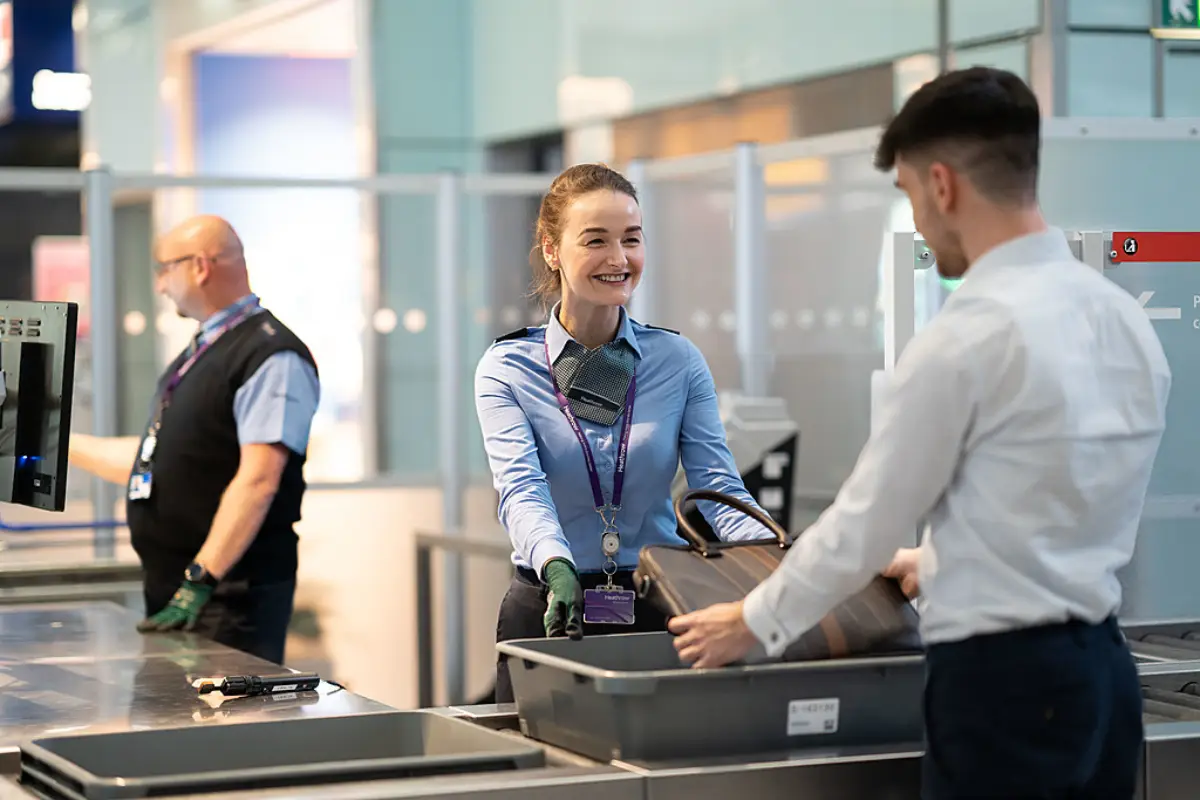
Heathrow Airport has ended the long-running 100ml liquids limit for departing passengers, allowing travellers to keep liquids and large electronics in their hand luggage at security across all terminals after completing a £1 billion upgrade to next-generation CT scanners.
The change applies at security lanes in Terminals 2, 3, 4 and 5 and permits liquid containers of up to 2 litres each.
The move is designed to reduce preparation time at checkpoints and speed passenger throughput at Europe’s busiest airport, which said it has now fully rolled out computed tomography screening technology. Heathrow’s updated guidance also tells passengers they no longer need to remove laptops and tablets for screening and will not need the clear plastic bags that were previously required for liquids.
What changes for passengers departing Heathrow
Under Heathrow’s hand baggage and liquids rules, liquids in containers of up to 2 litres can remain in cabin bags and be taken through security in all terminals. Heathrow also operates a two-bag policy at security, counting handbags and laptop bags as a piece of hand baggage.
The airport said the update follows a £1 billion replacement of passenger security lanes with CT scanners that generate high-resolution 3D images of cabin baggage, allowing screeners to assess items without travellers unpacking. Heathrow said the upgrade can service thousands of passengers an hour while maintaining security standards.
Heathrow also linked the change to wider customer service targets during peak travel periods, when traditional liquids screening can slow queues and lead to additional bag searches. The airport estimated that removing the plastic-bag requirement will save almost 16 million single-use plastic bags per year.
“Every Heathrow passenger can now leave their liquids and laptops in their bags at security as we become the largest airport in the world to roll out the latest security scanning technology. That means less time preparing for security and more time enjoying their journey – and millions fewer single-use plastic bags. This billion pound investment means our customers can be confident they will continue to have a great experience at Heathrow,” said Thomas Woldbye, Heathrow CEO.
Why the 100ml rule existed and what travellers should check
The 100ml limit was introduced in 2006 after UK police foiled a plot involving liquid explosives, leading to liquids restrictions that became standard across airports internationally. Over time, the rule also shaped passenger habits and retail, including the widespread use of miniature toiletries and clear plastic bags at screening.
Heathrow’s change does not apply across the wider UK airport network or internationally. Airports that have already scrapped the 100ml liquid limit include Birmingham, Bristol, Edinburgh, London Gatwick, and London Heathrow, following the rollout of advanced CT security scanners.
Many other UK airports continue to require passengers to remove liquids and comply with the 100ml restriction, including Aberdeen, Bournemouth, Cardiff, East Midlands, Glasgow International, Glasgow Prestwick, Inverness, the Isle of Man, Leeds Bradford, Liverpool, Luton, Manchester, Newcastle, Newquay, Norwich, Southampton, Southend, Stansted, and Teesside.
Exemptions remain in place for essential medicines, baby food or milk and special dietary requirements, with the full list published on gov.uk. Most airports worldwide still enforce some form of liquid restriction, and travellers are being advised to check local security rules before departure and on return journeys.