Tourist arrivals to Cuba fell sharply in 2025, dropping about 18% year on year to roughly 1.8 million visitors.
The downturn marked one of Cuba’s weakest tourism performances in decades outside the pandemic period, undershooting the government’s target of 2.6 million visitors and highlighting ongoing structural challenges facing a sector long seen as a cornerstone of the national economy.
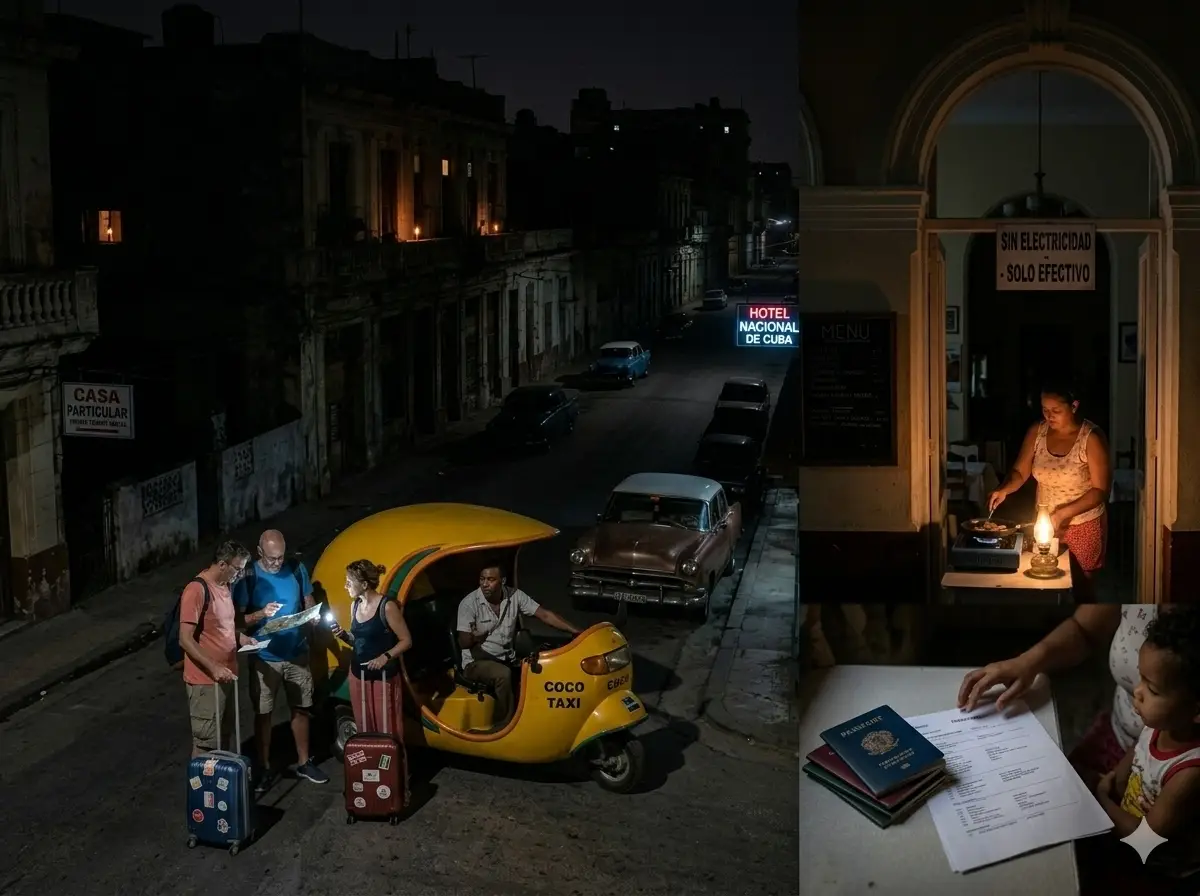
Several international outlets reported that persistent electricity blackouts, transport disruptions and shortages of basic goods undermined visitor confidence throughout the year. Hotels and resorts faced intermittent power supply, while fuel constraints affected flights, ground transport and excursion services.
According to coverage by France 24, energy shortages became a central factor driving cancellations and weaker demand, particularly during peak travel periods that typically support the sector’s annual revenue.
The official statistics showing the 18% decline compared with 2024, with December among the weakest months for arrivals in several years.
The 2025 figures also reflected a broader erosion in Cuba’s tourism base since before COVID-19. Some analyses suggest arrivals remain more than 60% below 2018 levels, when the island experienced a surge in international visitors driven by expanded air routes and growing North American interest.
Political tensions with the United States have continued to affect travel flows, particularly from a market that once represented a significant growth opportunity for Cuba’s tourism industry. Regulatory constraints, financial restrictions and evolving travel advisories have limited both leisure and business-related travel.
At the same time, infrastructure challenges and reduced public investment capacity have strained hotel operations and tourism services. Transport reliability, food supply chains and maintenance of facilities have all been cited as contributing to lower visitor satisfaction and repeat travel.
Despite the overall downturn, some Latin American markets showed relative resilience. There are modest increases in arrivals from countries such as Argentina and Colombia, though these gains were not sufficient to offset steep declines from traditional strongholds, including Canada and Europe.
Cuba also continued to receive international recognition for its cultural tourism offerings, including awards highlighting its historic cities, music and heritage experiences. Industry analysts, however, noted that destination branding alone is unlikely to reverse demand without improvements in infrastructure stability and service reliability.
Looking ahead to 2026, the outlook for Cuban tourism remains uncertain. The government has introduced rationing measures to manage fuel shortages, while officials have signaled interest in easing external economic pressures through renewed diplomatic engagement. For travel operators, the pace of recovery is expected to depend heavily on energy supply stability, transport capacity, and broader economic conditions across the island.