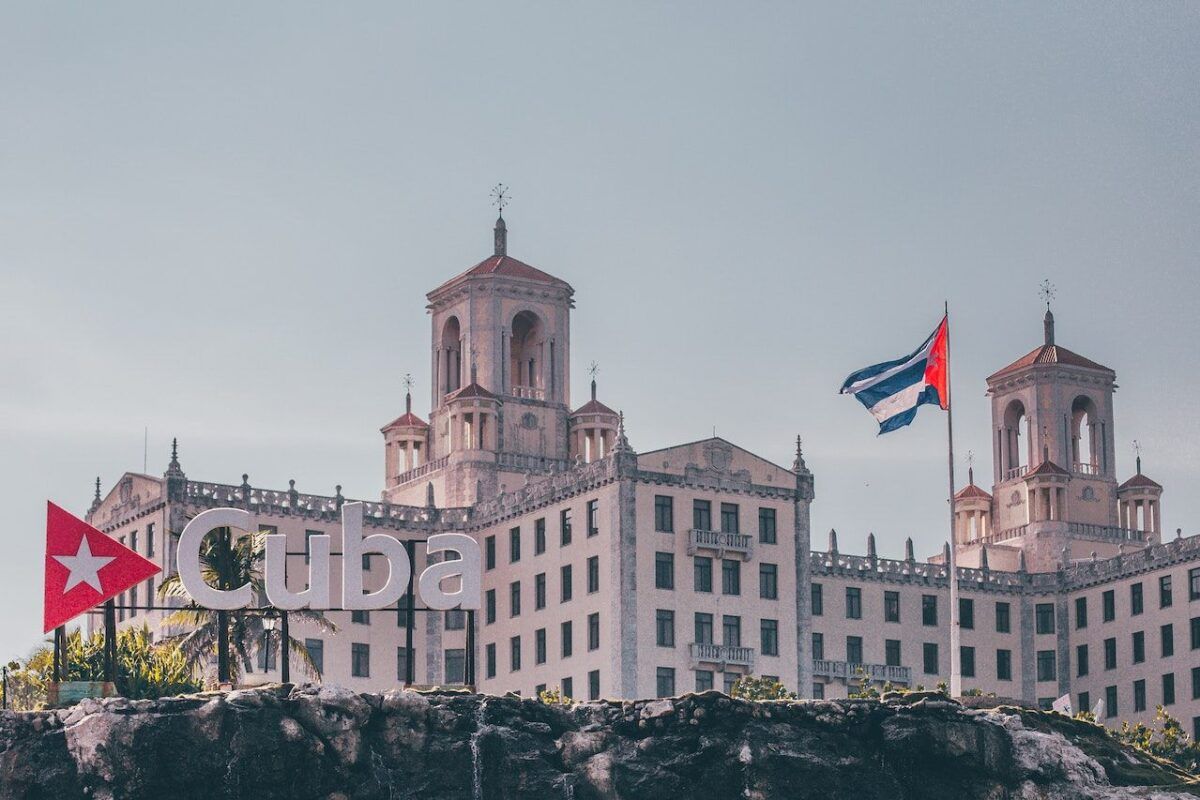
Cuba’s government is seeking new investors and operators for its hotel sector after four major international chains abandoned the island following US sanctions, leaving around 50 properties without management and pushing tourist arrivals to their lowest level in two decades.
President Miguel Diaz-Canel announced on 13 June 2026 that the government is working on new investment models for tourism, saying Cuba could no longer rely exclusively on large foreign hotel groups. He said proposals would be presented to the National Assembly of People’s Power in July. “We must go to new modalities, with new actors, in tourism to exploit all that infrastructure that we have,” he said in remarks broadcast on state television.
The announcement follows the mass departure of four major hotel chains triggered by US President Donald Trump‘s Executive Order 14404, signed on 1 May 2026. The order imposed secondary sanctions requiring foreign companies to sever ties with GAESA, the military conglomerate that controls approximately 70% of the Cuban economy, by 5 June 2026.
Melia Hotels International, Spain’s largest hotel group, ceased operations at 15 of its Cuban hotels, acknowledging an average occupancy rate of just 34.1% in the first quarter of 2026. The Spanish chain had been one of Cuba’s most significant tourism partners, previously operating around 14,000 rooms on the island. Fellow Spanish operator Iberostar confirmed its exit from 12 of its 18 hotels linked to Gaviota and GAESA. Canada’s Blue Diamond Resorts went further, abandoning 62 hotels and more than 12,900 rooms on 30 May, while Indonesia’s Archipelago International closed all six of its Cuban establishments.
The hotels left without operators are mostly owned by the state and managed through Gaviota, a subsidiary of GAESA and a cornerstone of Cuba’s state-controlled tourism infrastructure. Diaz-Canel said of the departing chains that they were leaving “against their will” and described them as partners to whom Cuba has “great respect.”
The scale of the sector’s decline is significant. Cuba received only 328,608 international tourists in the first four months of 2026, a 55.8% decrease compared to the same period in 2025 and the worst drop in two decades. Hotel occupancy across the island stood at just 18.9% throughout 2025. At its peak in 2019, Cuba welcomed 4.3 million visitors annually.
In response, Diaz-Canel has signalled an opening to the Cuban diaspora. During an interview with Spanish outlet elDiario.es on 5 June, he said: “There will be hotels that we will need to operate today more with Cuban management than with shared management with foreign entities. We are also proposing different business modalities. Cubans who wish to invest and manage hotels. We are open to that.”
A legal framework for diaspora investment already exists on paper. The State Council approved Decree-Law 117/2026 in April, formally establishing an “Investors and Business” immigration status for Cubans residing abroad, allowing them to engage in economic activities on equal footing with foreign direct investors and state enterprises within what the government describes as a stable legal framework.
Practical obstacles remain significant. Cuba’s limited access to international booking platforms and global payment systems narrows the options for any new operator seeking to fill rooms. Airbnb has been cited as one of the few major platforms with a prior presence in Cuba, though as a US-controlled company it faces its own restrictions under the sanctions framework.
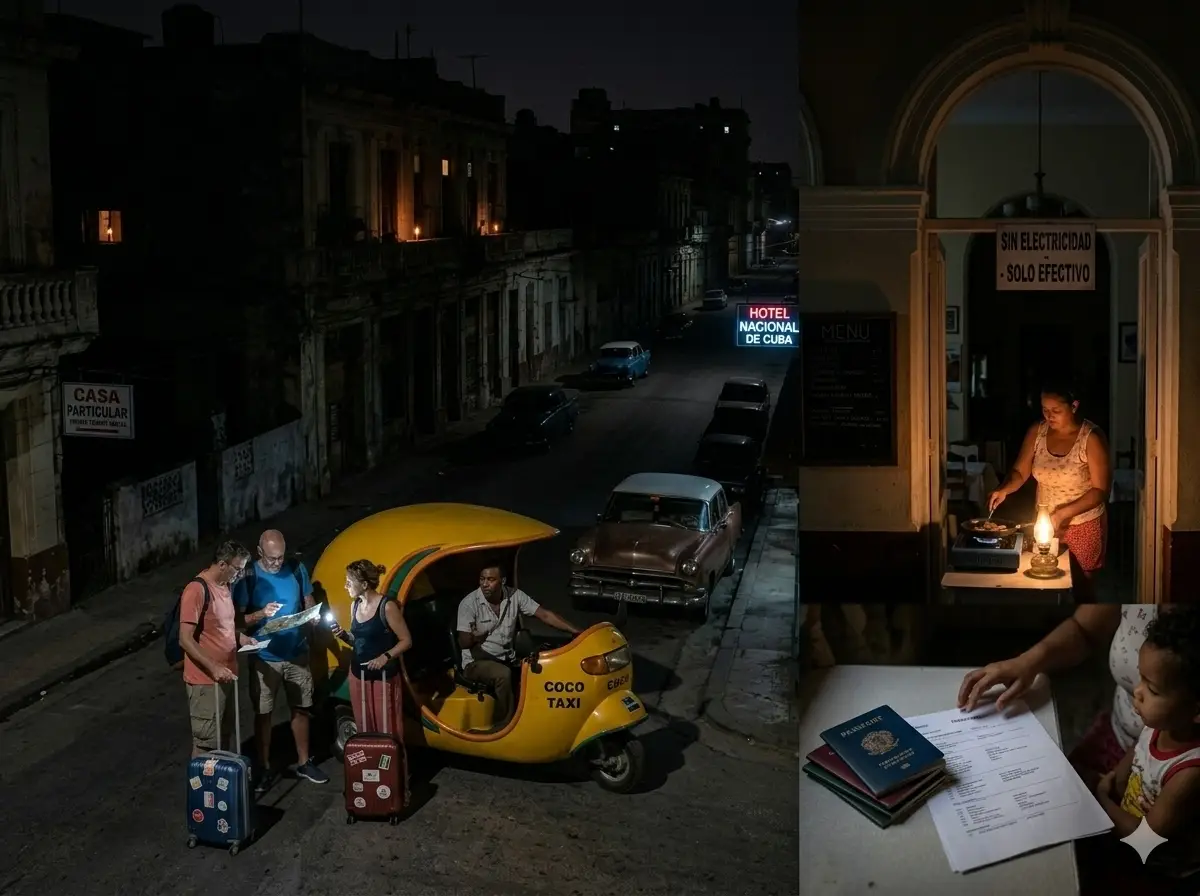
The wider economic picture compounds the challenge. Diaz-Canel acknowledged in June that only one oil tanker had reached Cuba in the preceding five months, deepening an energy crisis that has forced schools to close early and disrupted daily life across the country. Cuba also faces ongoing difficulties with international connectivity and a broader economic contraction that has accelerated the decline in visitor numbers.
The government has said further detail on its new tourism model will be shared in the coming weeks. Until then, the future management of dozens of Gaviota-owned hotels remains unresolved, and the question of who will actually step in to run them remains open.