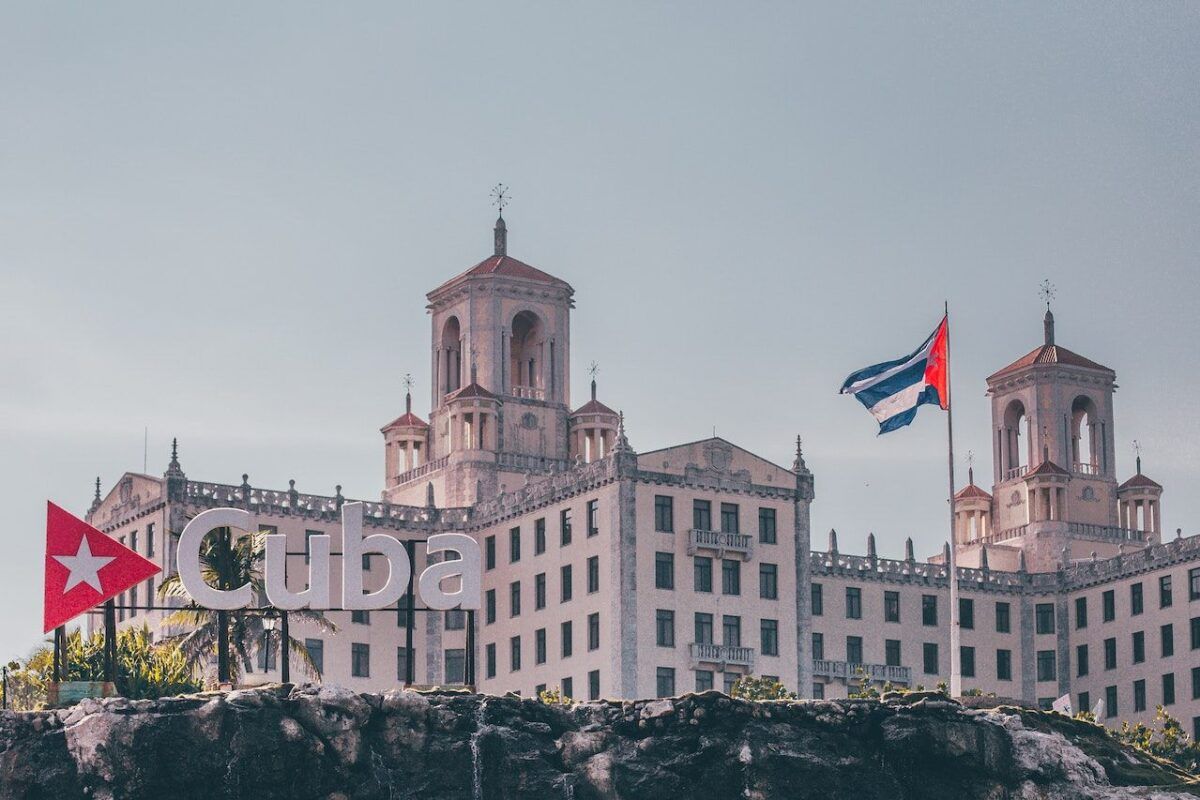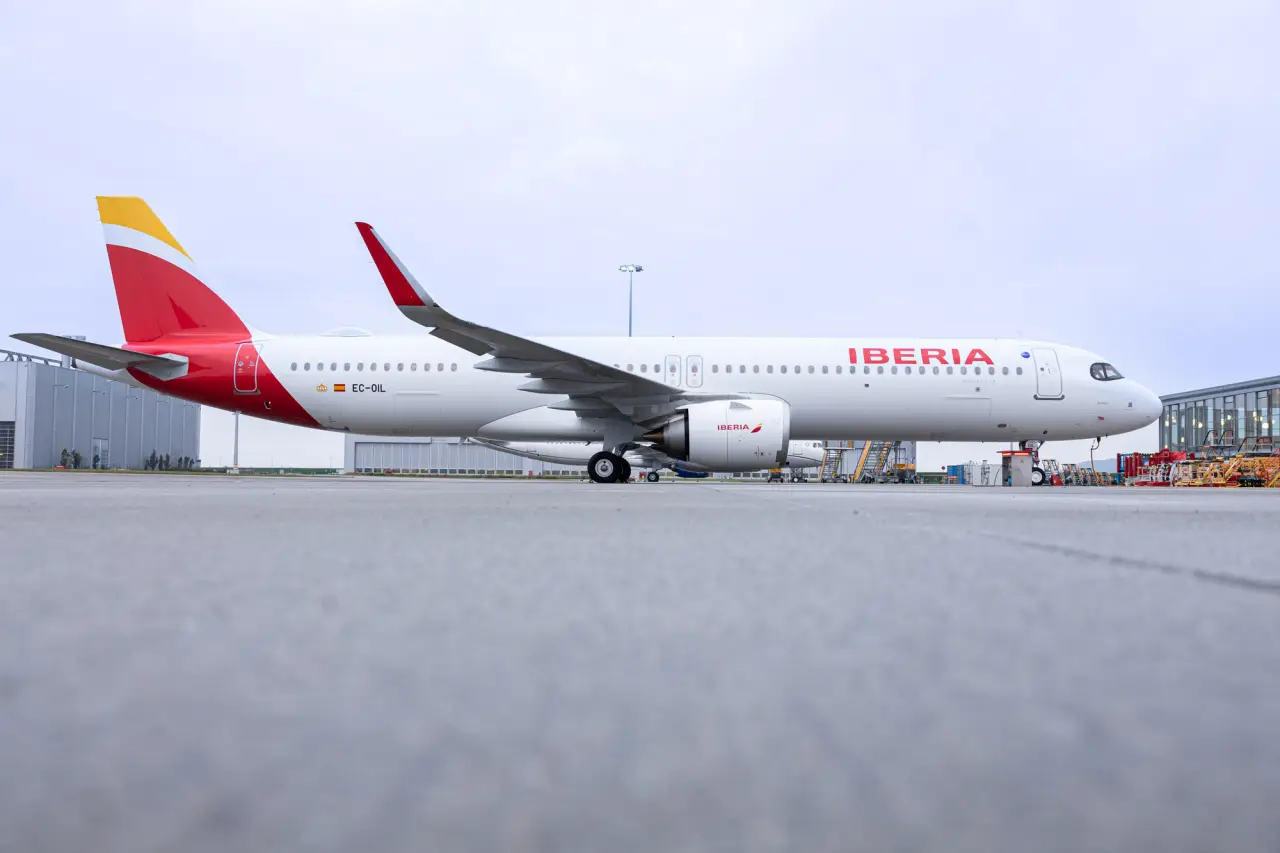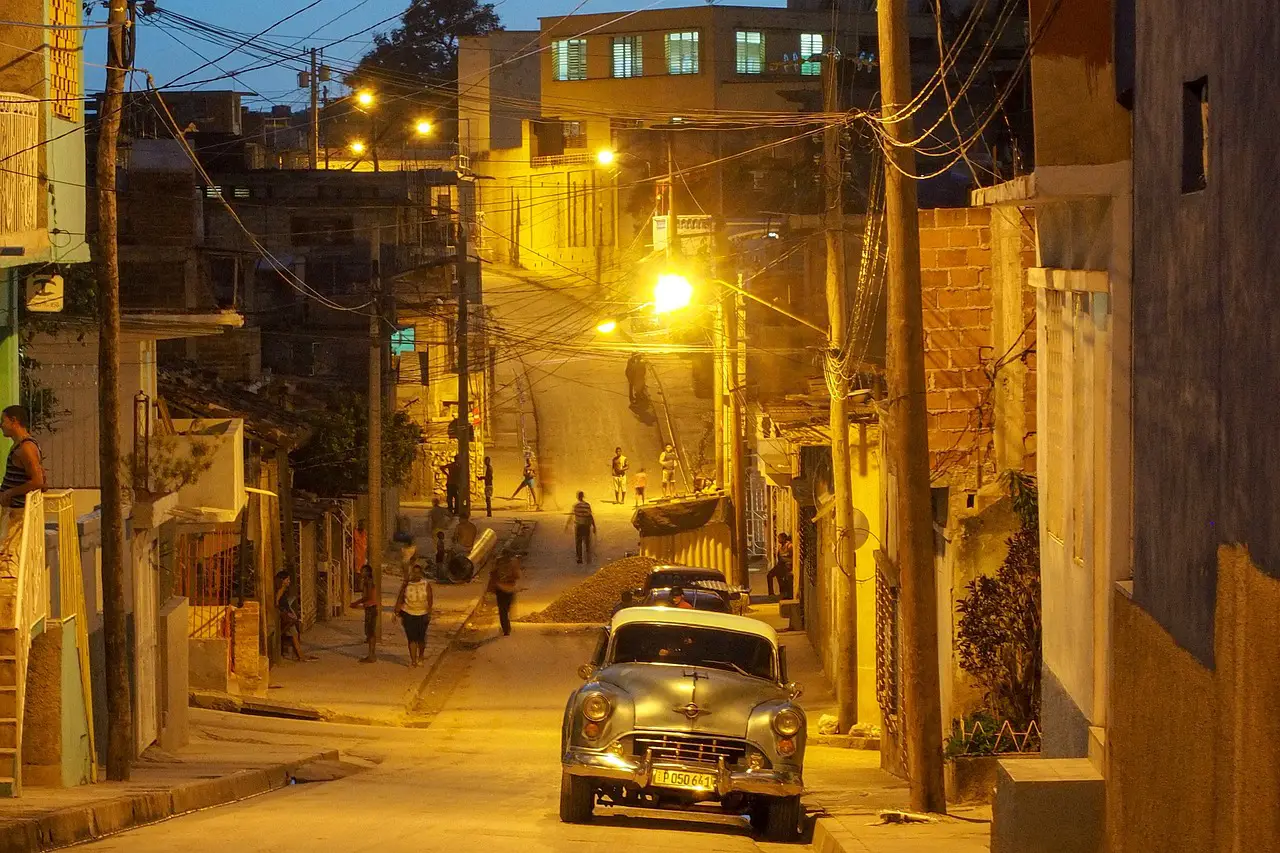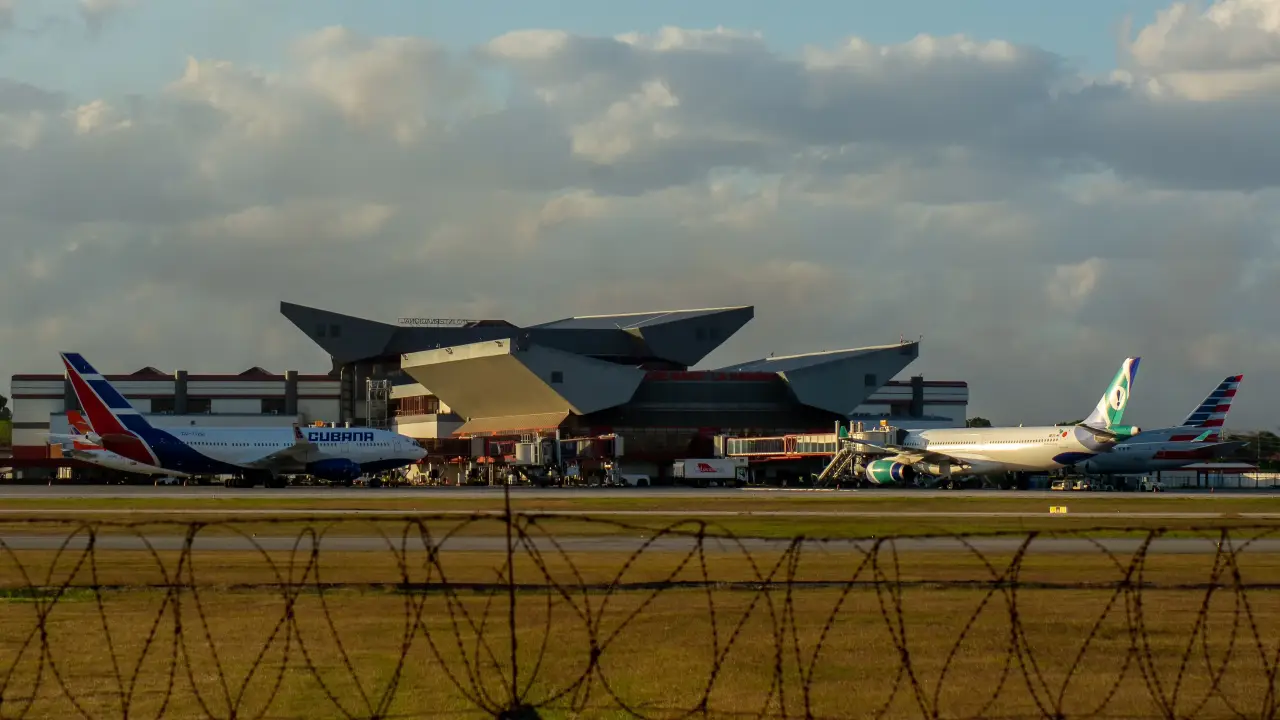
Cuba has warned international airlines that it cannot guarantee jet fuel for departing flights, raising the prospect of schedule changes, technical stops, and cancellations as carriers seek ways to keep services running.
The move follows a broader energy crunch on the island, where authorities have imposed emergency measures to conserve fuel and manage electricity shortages. For travellers, the immediate risk is disruption on short notice, particularly on return legs, when aircraft would normally refuel in Cuba.
Airlines adjust operations
Airlines operating to Cuba have been reviewing flight plans and fuel loads after being told that supplies of aviation kerosene are constrained. In practice, carriers can respond in a few ways: carrying extra fuel from the departure airport, scheduling a refuelling stop elsewhere in the region, or trimming capacity and frequency where operational margins are tight.
Some routes are more exposed than others. Longer-haul services from Europe and Canada typically rely on predictable refuelling arrangements at destination airports. If refuelling is unavailable, airlines may be forced to add a stop, change aircraft type, or reduce payload to carry more fuel, which can result in fewer passengers or less cargo on board.
Travellers are being urged to monitor airline messages, check airport departure boards, and allow extra time for rebooking or rerouting during the peak winter travel period.
Tourism faces another setback
Tourism is one of Cuba’s main sources of foreign currency, but it has been under pressure from infrastructure constraints, periodic shortages of basic goods, and a decline in visitor numbers. A sustained aviation fuel shortage adds a new layer of uncertainty for tour operators and independent travellers, particularly those heading to resort areas where air links are essential.
Officials have announced measures aimed at conserving fuel, including reduced transport services and changes to working arrangements in state bodies. That wider squeeze can spill into the visitor economy, affecting everything from airport transfers to intercity buses and the reliability of services used by hotels and attractions.
Industry watchers say the biggest question is duration. Even short disruptions can cascade through airline networks, while a longer shortage could force more structural reductions in capacity for the remainder of the season.
Energy crisis and geopolitics
Cuba’s fuel shortages are closely tied to its wider energy situation and the geopolitics of oil supply. The government has blamed external pressure and reduced shipments from key partners for tightening availability, while Washington has signalled tougher enforcement and potential penalties related to oil trade with Havana.
Russia has said it is in discussions with Cuban authorities about possible assistance, describing the situation as critical and criticising what it called “suffocating” pressure on the island. Any relief, however, would depend on logistics, timing and the ability to move fuel to where it is needed, including for aviation.
In recent days, travel advisories have also pointed to the possibility of wider disruption linked to fuel and power shortages, including transport interruptions and localised unrest. Such warnings can influence demand quickly, particularly among travellers booking last-minute winter escapes.
What it means for travellers
For passengers with trips planned in the coming weeks, the key issue is that even if inbound flights operate normally, outbound services could be affected if aircraft cannot refuel reliably. Airlines may prioritise continuity on core routes, but that can still involve schedule changes, longer journey times, or altered departure airports.
Travel advisers recommend several practical steps:
- Check your booking often: Look for updated departure times and routing changes, especially within 48 hours of travel.
- Watch for fuel-stop itineraries: Some flights may include an additional landing to refuel, extending total travel time.
- Plan for flexibility: Where possible, choose fares that allow changes, or consider travel insurance that covers disruption.
- Keep essentials in hand luggage: If rebooking involves overnight delays, access to medication and chargers matters.
- Confirm ground arrangements: Transfers and domestic transport can be affected by broader fuel restrictions.
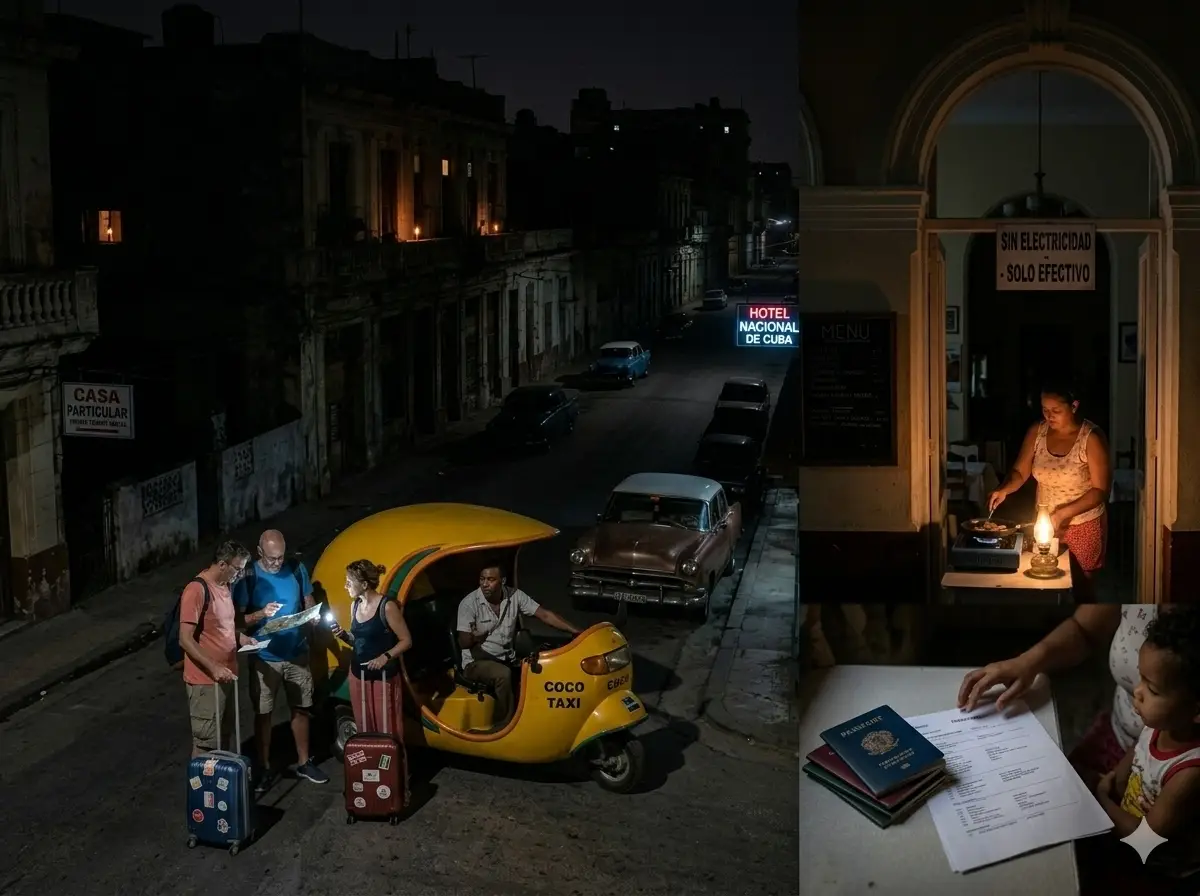
Travellers staying in resort areas are also being advised to ask accommodation providers about contingency plans for power cuts and transport limitations, and to keep some cash and key supplies on hand in case of temporary service interruptions.
Air connectivity under pressure
Cuba’s airports handle a mix of scheduled international services, charter operations and regional flights. When fuel supply tightens, aviation systems can face knock-on effects: aircraft rotations may change, crews may exceed duty limits if journeys are extended, and airlines may need to reposition aircraft without passengers to stabilise schedules.
Carriers also have to balance safety margins, regulatory requirements and commercial constraints. Carrying extra fuel increases weight, which can reduce the number of seats that can be sold. Adding a fuel stop can make a route less attractive, especially if competing destinations offer more reliable operations.
For the Cuban travel sector, the risk is not only immediate disruption but reputational damage if travellers perceive the destination as unpredictable. Tour operators say confidence can be slow to rebuild once customers start choosing alternatives for convenience.
What happens next
Much depends on whether aviation fuel deliveries can be stabilised and whether the wider energy crisis eases. Airlines will continue to reassess schedules in line with operational guidance from airports and aviation authorities, and more changes are possible if the shortage persists.
In the meantime, travellers with upcoming trips to Havana, Varadero and other Cuban gateways are being told to follow airline updates closely and prepare for last-minute adjustments. For many, the decision will come down to appetite for disruption, and whether the promise of Cuba’s beaches and culture outweighs the uncertainty of getting in and out on schedule.
Photo Credit: Wirestock Creators / Shutterstock.com