The United States has put Spanish hotel companies operating in Cuba in a tight spot after sanctions linked to businesses associated with the military-owned conglomerate Gaesa. The measures, imposed by the US Treasury Department, threaten the continued operation of chains that have long managed hotels on the island.
Companies linked to Cuba’s main hotel group, Gaviota, now face a 5 June deadline to end business ties with that network or risk severe economic penalties from Washington. The restrictions also affect other firms working directly or indirectly in tourism, including wholesalers and suppliers.
Spanish chains and Canada’s Sunwing Group operate most of the hotels in Cuba, according to a report. Their legal teams are studying the consequences of the new US measures, which the article says could force them to break their agreements with Gaviota.
The sanctions form part of a broader US push against entities connected to Gaesa, the financial and business group that dominates much of Cuba’s tourism sector and is linked to the armed forces. The article says Gaviota, described as the most important hotel chain in Cuba, sits at the centre of that structure.
According to the report, the Treasury Department’s action leaves the companies with little room to manoeuvre. It says they are facing a difficult choice between staying in Cuba and risking sanctions, or withdrawing from the market altogether.
Trump and Marco Rubio, the US secretary of state, are said to be targeting Cuba through Gaesa because of its importance to the country’s economy. The article argues the measures will hit the island’s tourism industry hard and could force a wider reshaping of foreign operations there.
For Spain’s hotel groups, the deadline raises the prospect of a rapid exit from a market they have occupied for years. The article says the legal and commercial fallout is already being assessed, as companies weigh whether to cut ties before the Treasury deadline.
The impact is expected to extend beyond hotel operators. Suppliers, intermediaries and tour firms that depend on Cuba’s tourism sector could also be caught by the new restrictions, adding pressure to an industry already under strain.
The report presents the sanctions as one of the strongest blows yet to Cuba’s tourism model. It says the US action is likely to prove more effective than a show of military force, underlining the economic leverage Washington is seeking to apply.
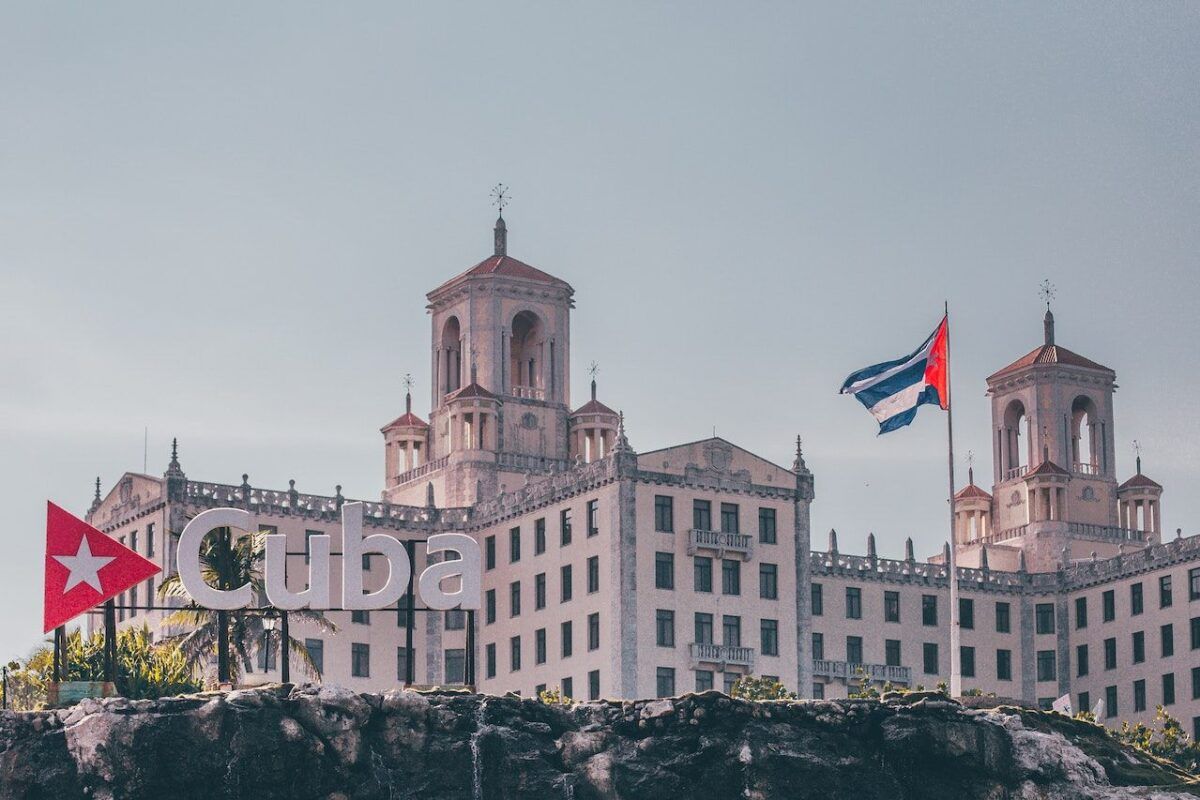
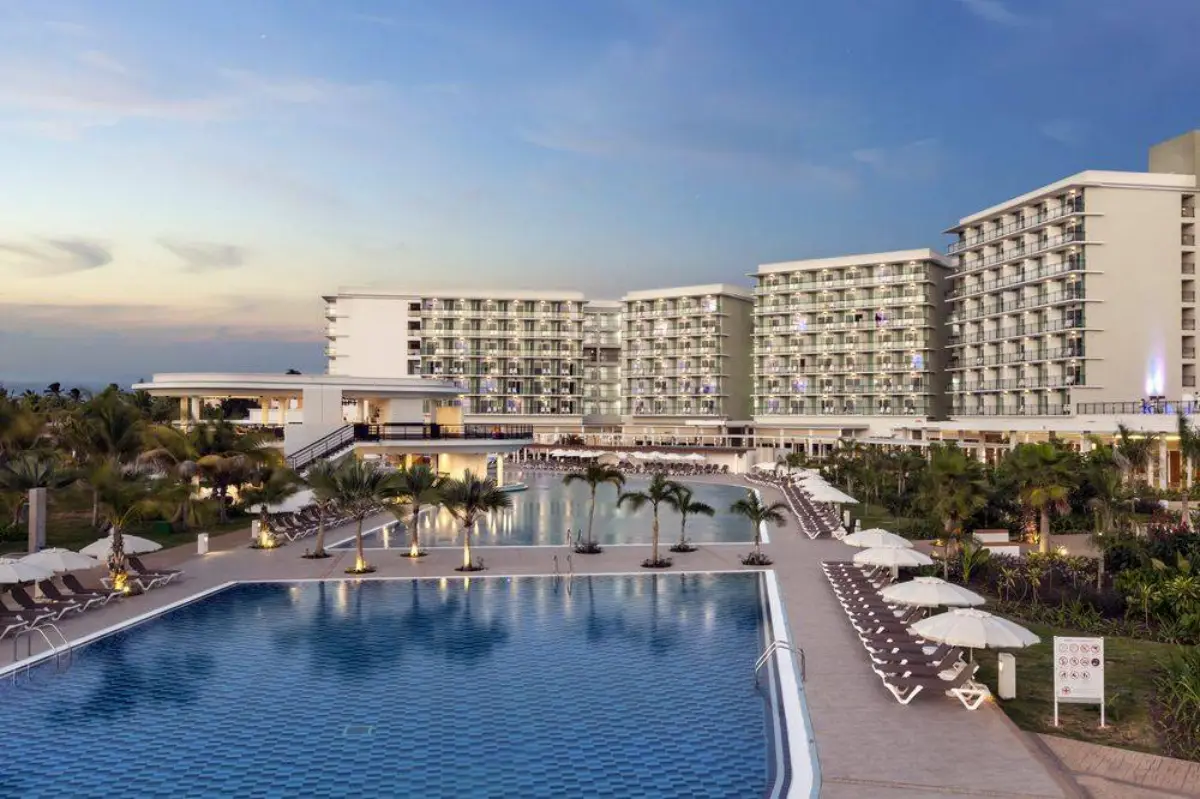
The photo shows Meliá Internacional Varadero in Cuba.