Brazil is entering 2026 as one of the fastest-rising travel destinations in the world, building on a record-breaking tourism performance last year and a packed calendar of cultural events, expanded air routes, and renewed international promotion.
After welcoming 9.3 million international visitors in 2025, the highest figure in its history, the country is shifting from recovery into a phase of sustained tourism growth.
Momentum has continued into early 2026, with tourism authorities reporting strong advance bookings from Europe, North America, and regional markets ahead of Brazil’s peak festival season. The surge reflects growing global appetite for destinations that combine culture, nature, and immersive experiences, areas where Brazil holds a clear advantage.
Carnival 2026 drives early-year travel demand
One of the biggest immediate drivers of international arrivals is Carnival 2026, which runs from February 14 to February 18, with major celebrations unfolding in cities across the country. Hotel occupancy in key destinations has climbed well ahead of last year’s levels, while airlines have added seasonal capacity to meet rising demand.
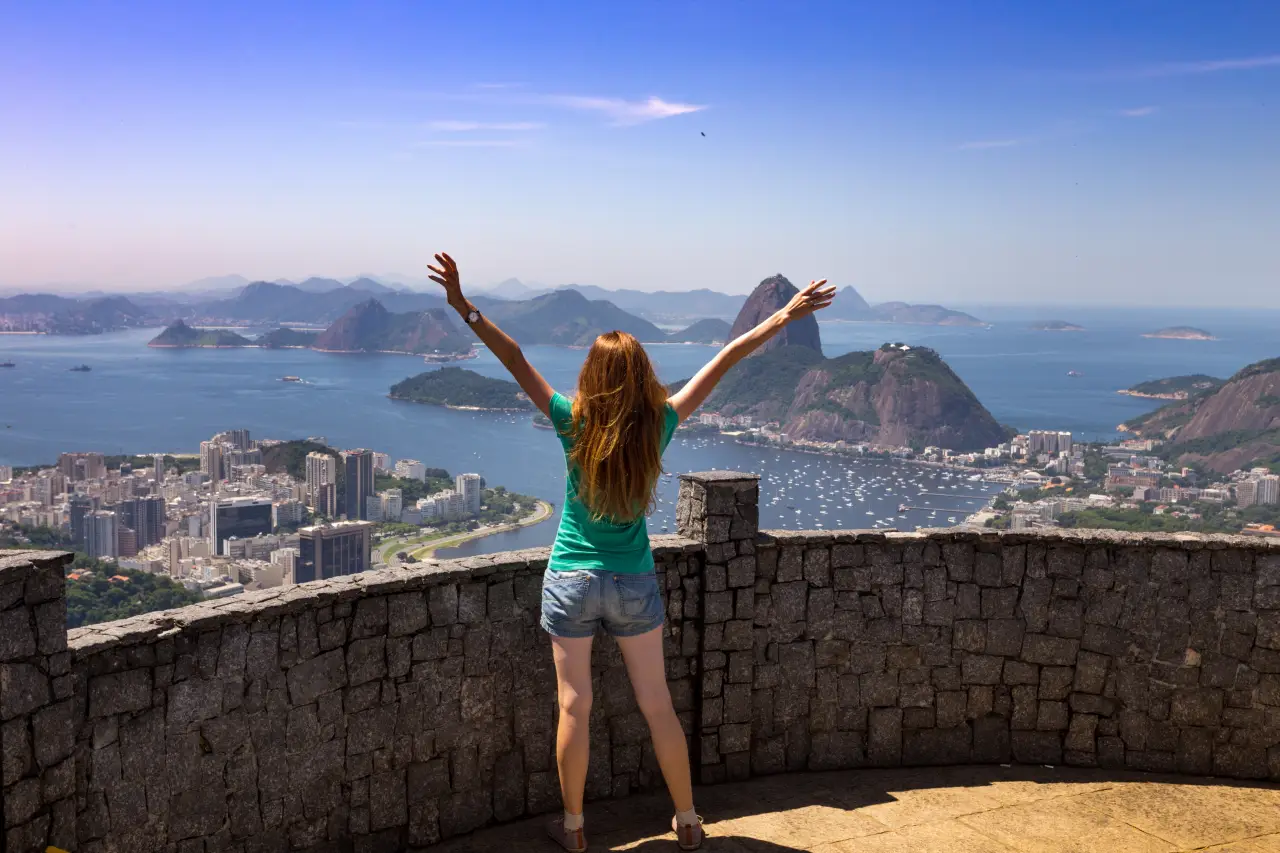
At the heart of festivities remains Rio de Janeiro, where samba parades at the Sambadrome, street blocos and beachfront celebrations are expected to draw millions of domestic and international visitors. Tourism officials project Carnival will generate billions in economic activity, reinforcing its role as one of South America’s largest tourism events.
But 2026 is shaping up to be more than a seasonal spike. Authorities say rising interest is extending across the full calendar, with travellers increasingly booking longer, multi-destination trips.
Botafogo Samba School rehearsal taking place at the Sambodromo in preparation for Carnival 2025. Video credit: Celso Pupo. Video used under license from Shutterstock.com
Culture beyond Rio draws new visitors
While Rio remains Brazil’s most recognisable gateway, an increasing number of visitors are exploring cultural hubs such as Salvador. Known for its Afro-Brazilian heritage, colonial architecture and vibrant music scene, Salvador has become a focal point of Brazil’s push toward more diversified tourism.
Cultural tourism, gastronomy travel and heritage-focused itineraries are increasingly shaping how international travellers experience the country, moving beyond traditional beach holidays toward deeper engagement with Brazil’s history and communities.
Nature tourism surges as sustainability gains focus
Brazil’s vast natural landscapes remain one of its strongest draws in 2026, particularly as global demand rises for eco-tourism and responsible travel. The Amazon Rainforest continues to attract visitors seeking wildlife encounters, river expeditions and conservation-focused experiences.
Across the country, tourism operators are expanding sustainable lodges, guided nature experiences and community-based tourism projects, particularly in rainforest regions, wetlands such as the Pantanal and along Brazil’s extensive coastline.
Officials say nature tourism is now one of the fastest-growing segments of Brazil’s inbound travel market, helping attract higher-spending visitors while promoting environmental protection.
New flights strengthen international access
Expanded air connectivity is playing a crucial role in Brazil’s tourism momentum this year. Brazil’s aviation network is expanding significantly in 2026, with 64 new international routes and 16 extra weekly flights approved to operate through September, enhancing accessibility from key global markets. Carriers involved include major airlines such as Qatar Airways, Turkish Airlines, Air France, Iberia, TAP Air Portugal, American Airlines, Copa Airlines, Air Transat and others.
Among the notable developments in 2026 is the resumption of direct flights between West Africa and northeastern Brazil, alongside capacity increases on transatlantic routes to meet peak-season demand.
Tourism leaders say improved connectivity is encouraging travellers to go beyond Rio and São Paulo, supporting growth in beach regions, eco-destinations, and historic cities.
Government targets accelerate tourism ambitions
Driving this expansion is the Brazilian Ministry of Tourism, which has made international tourism a central pillar of economic development under its National Tourism Plan running through 2027.
Key goals shaping 2026 include:
- Pushing annual international arrivals toward and beyond 10 million visitors
- Increasing tourism revenue from foreign travellers
- Expanding Brazil’s presence in major global travel markets
- Embedding sustainability across new tourism investments
- Encouraging growth beyond traditional hotspots
Officials have acknowledged that several original visitor targets have been reached earlier than expected following the record 2025 performance, and the focus for 2026 is on converting demand into longer stays, broader itineraries and higher visitor spend.
Iconic landscapes remain global magnets
Natural landmarks such as Iguazu Falls continue to anchor Brazil’s international tourism appeal. The massive waterfall system, surrounded by protected rainforest, remains one of South America’s most visited attractions.
Combined with thousands of kilometres of tropical beaches, national parks and biodiversity hotspots, Brazil offers a breadth of landscapes few destinations can match, a factor tourism analysts say is increasingly influencing travel decisions.
Balancing rapid growth with sustainability
The surge in popularity also brings challenges. Infrastructure pressure, environmental protection and workforce development are growing priorities as visitor numbers rise.
Authorities are expanding visitor management programmes in high-traffic destinations, increasing sustainability standards for tourism operators and investing in training across hospitality and transport sectors.
Industry leaders say the success of Brazil’s tourism boom will depend on ensuring growth remains responsible and inclusive, lessons learned from overcrowding issues faced by popular destinations worldwide.
A pivotal year for Brazil’s global travel standing
With record visitor numbers behind it and a packed 2026 calendar ahead, Brazil is entering what tourism officials describe as a defining period for the country’s international positioning.
Strong cultural demand, booming nature tourism, improved connectivity and ambitious government targets are reshaping Brazil from a seasonal holiday hotspot into a year-round global destination.
For travellers in 2026, Brazil offers something increasingly rare in a crowded tourism market: world-class festivals, iconic cities, vast natural landscapes and authentic local experiences, all within one country.
As global travel continues its post-pandemic reshaping, Brazil is no longer simply benefiting from renewed demand. It is emerging as one of the destinations setting the pace for international tourism growth this decade.
Top Photo Credit: Mostovyi Sergii Igorevich / Shutterstock.com