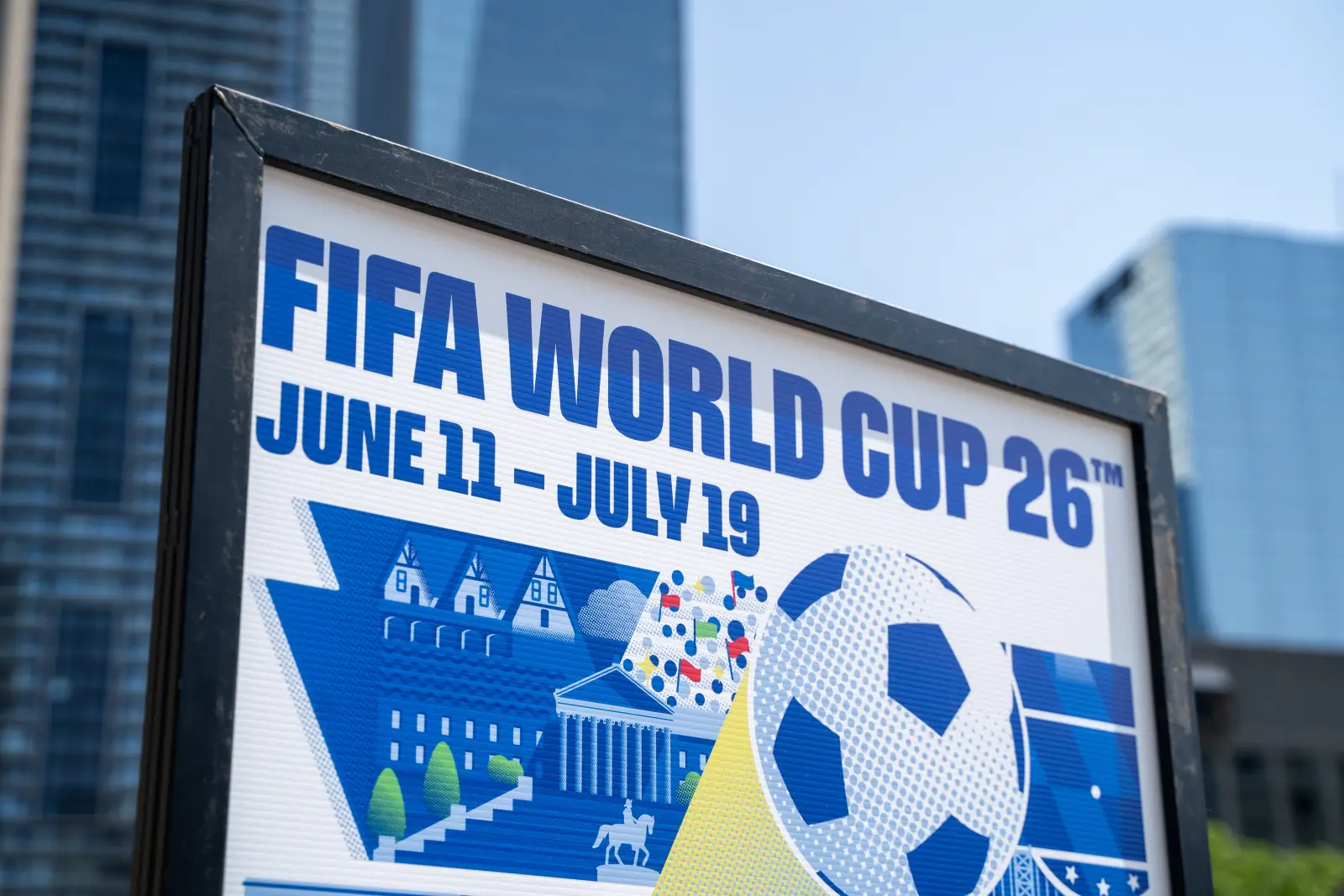
A new study released by the U.S. Travel Association finds that visitors attending the 2026 FIFA World Cup are expected to stay longer and spend significantly more than typical international travelers, offering major economic potential for destinations across the United States. International visitors are projected to spend more than $5,000 per person, around 1.7 times higher than average inbound travel spending.
The research also shows that one in three visitors plans to stay longer than two weeks, while more than 80% are open to exploring destinations beyond major gateway cities. The findings suggest the tournament could distribute tourism spending more widely across the country if conditions are favorable.
The study draws on travel intentions from soccer fans across 10 key markets in North America, Europe and Latin America. It highlights that the 2026 World Cup could drive extended stays, increased spending and broader travel patterns beyond host cities.
“This research shows visitors aren’t just coming for the matches, they are coming to experience America,” said Geoff Freeman, President and CEO of the U.S. Travel Association. “Being prepared and welcoming is not just good for visitors. It strengthens our economy, supports 15 million jobs and reinforces the values we share as a nation.”
However, the report warns that several factors could limit the full economic impact. Safety concerns have emerged as a key issue among potential visitors, with the study noting the importance of the $600 million investment in homeland security tied to the event.
Perceptions around entry policies may also influence travel decisions. Around 34% of respondents expressed concern about potential increases in visa application fees, while 32% cited proposed social media requirements for the Electronic System for Travel Authorization application. These measures have not been implemented, but the study suggests misperceptions could still affect demand.
The U.S. Travel Association says clear communication around entry requirements, along with efforts to highlight historically low crime rates, will be critical in converting interest into confirmed travel plans.
“In sports, you don’t show up to the championship unprepared. The 2026 World Cup is America’s championship moment—the largest sporting event in history, on our soil, with the world watching,” Freeman added. “The demand is there. The fans are coming. Now it’s time for Washington to make sure we are ready to win.”
The findings position the 2026 World Cup as a major opportunity not only for host cities but also for smaller destinations that could benefit from extended visitor itineraries. Industry leaders are calling on policymakers to address entry barriers, restore Brand USA funding and ensure travel systems operate at full capacity ahead of the tournament.
With the event approaching, the study underscores that preparation, perception and policy will play a decisive role in determining how much of the projected tourism demand translates into actual economic gains.
Photo Credit: Erman Gunes / Shutterstock.com