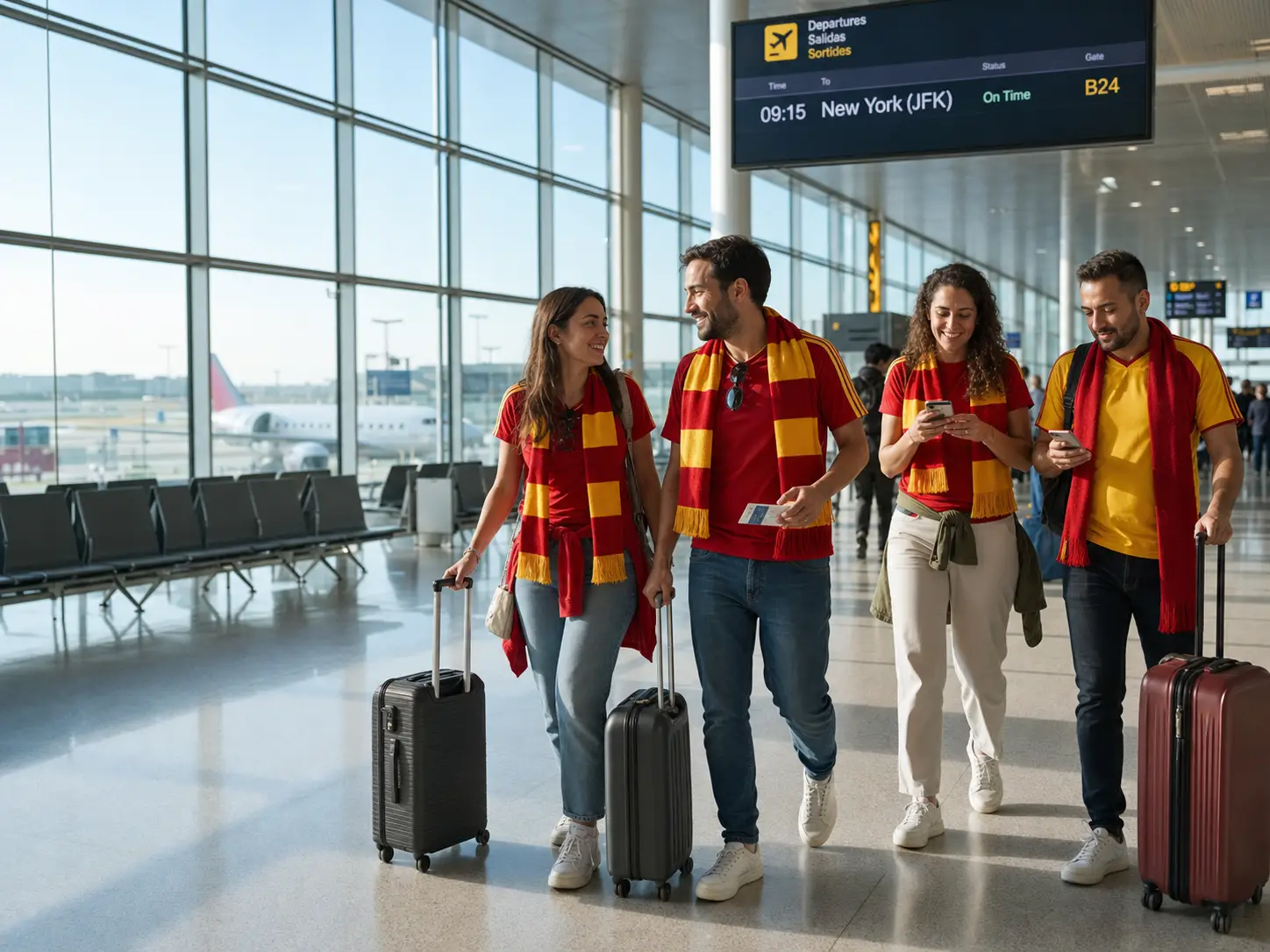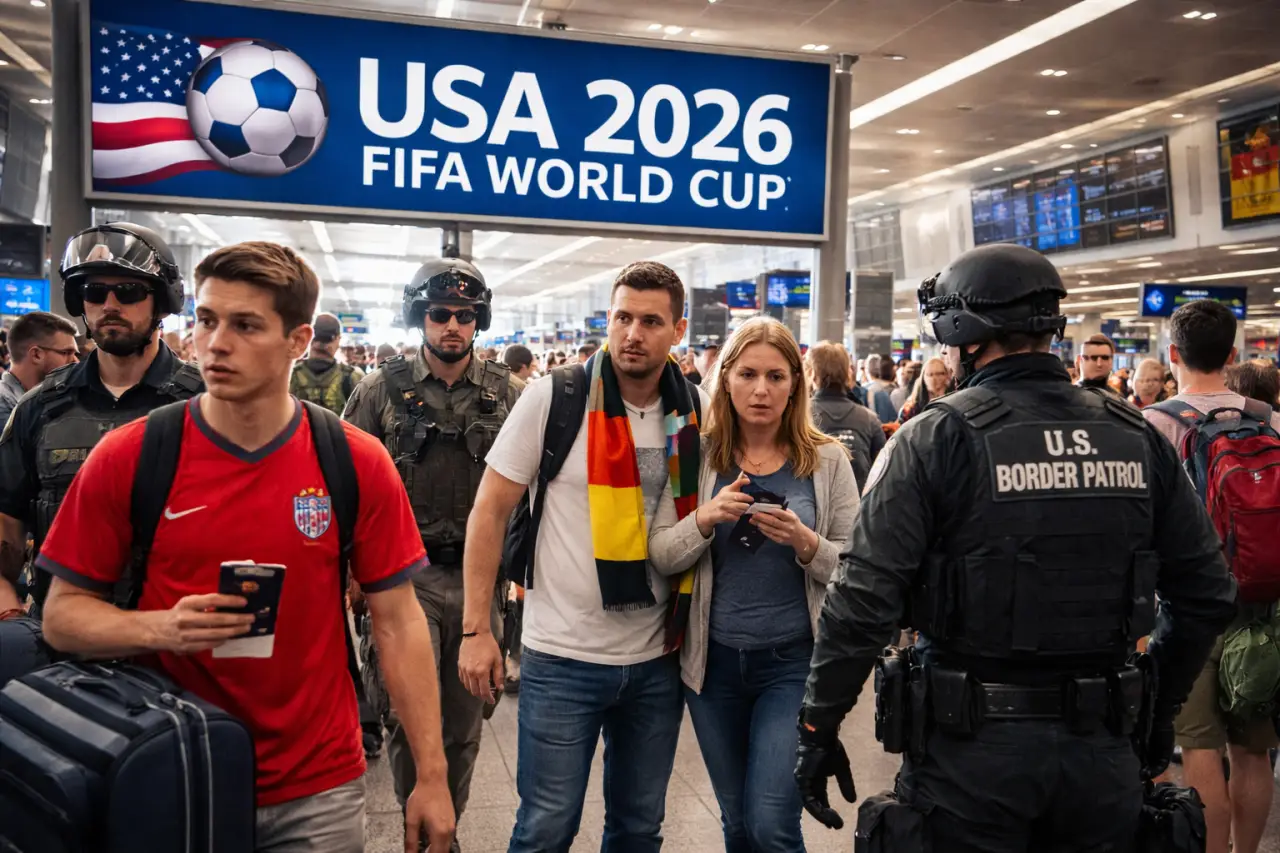
The United States is preparing to co-host this summer’s FIFA World Cup alongside Mexico and Canada, with matches scheduled from June 11 to July 19, but growing political tensions and border concerns are shaping how international fans view travel plans.
Reports of anti-European rhetoric from President Donald Trump, accounts of Germans experiencing entry problems, and recent fatal encounters involving US immigration authorities have raised questions about how welcoming the country feels to overseas visitors.
The debate has intensified after prominent figures publicly warned supporters against travelling to the US, prompting football fans to weigh their passion for the tournament against personal safety and entry risks. The concerns arrive just months before teams and supporters are expected to cross borders in large numbers for one of the world’s biggest sporting events.
Warnings from football figures raise alarm
Former FIFA president Sepp Blatter urged fans to avoid travelling to the US, writing on the X platform: “For fans, there is only one piece of advice: Stay away from the USA.” The Swiss national added that he agreed with governance expert Mark Pieth “to question this World Cup,” reinforcing unease among parts of the football community.
Pieth, who chaired a FIFA commission on association governance from 2011 to 2013, echoed similar concerns in an interview with the Swiss newspaper Tagesanzeiger. “Upon arrival, fans should expect that if they don’t please the officials, they’ll be sent straight back home on the next flight. If they’re lucky,” he said.
Travel confidence tested ahead of kick-off
The US remains one of three host nations for the tournament, yet recent headlines have challenged its image as an easy destination for international travellers. Reports of German visitors encountering difficulties at US entry points, combined with accounts of immigration enforcement officers killing civilians, have contributed to a perception of unpredictability at the border.
For many fans, the attraction of iconic stadiums, major cities and the atmosphere of a summer World Cup competes with uncertainty about treatment on arrival and personal safety. Supporters are now reassessing travel insurance, transit routes and alternative match destinations in Mexico and Canada as they consider where to base themselves during the tournament.
Tourism operators and airlines expect demand patterns to become clearer closer to kick-off, but the current mood highlights how political signals and security concerns can quickly influence travel behaviour. Whether excitement for football ultimately outweighs hesitation remains an open question as the countdown to June continues.