The 2026 FIFA World Cup kicks off on 11 June 2026, all the way to 19 July 2026, spanning across 16 host cities in Canada, Mexico and the United States.
That geography is the point, and the problem. Summer conditions will vary wildly, from coastal humidity to high altitude thin air, and those environmental fluctuations can subtly influence the market that the followers of the sport obsess over: match totals (goals scored).
Sports scientists don’t debate that weather “decides” football matches. But they do show that heat stress changes the way teams run, the way they press and manage energy, which in turn can change the number and quality of chances created.
Heat and humidity: why “feels like” is important to goals
Hot conditions aren’t just unpleasant, they’re a performance constraint. Football in heat is often measured with the Wet Bulb Globe Temperature (WBGT), which is a composite measure that considers factors such as temperature and humidity (and other factors that contribute to heat stress such as radiant heat and wind).
A British Journal of Sports Medicine analysis of the 2014 World Cup in Brazil concluded that as the heat stress on the environment increased, so did the players’ reduction of high-intensity running and the number of sprints. In other words, they were pacing themselves to survive the game. Separate World Cup-specific discussion pieces looking ahead to World Cup 2026 highlight that afternoon WBGT in several of the host cities can be in a range associated with meaningful heat strain, particularly in places such as Atlanta, Dallas, Houston, Kansas City, Miami and Monterrey.
Why is that important to match totals?
Less pressing, less transition moments. High pressing and high repetition sprints are the cause of turnovers in dangerous areas. If teams dial those efforts down, you can get fewer “chaos” chances, the kind that spike expected goals and inflate totals.
More controlled possession. Teams often slow down the pace, retain the ball, and play safer patterns to deal with fatigue, which can lead to less shots.
Tiredness can lead to late mistakes. Heat can heighten cramping, concentration lapses and defensive misfires, which may result in late goals even though the first hour may be cagey, a pattern bettors sometimes refer to as “slow start, chaotic finish.” (This is deductive from the documented decline in high intensity output under heat stress and the practical management of teams).
FIFA cooling breaks and scheduling: a lever that could shift totals
The debate over heat is not theoretical. Player groups have called for more stringent protections with WBGT levels, such as breaks in the heat with lower WBGT levels and game rescheduling in high WBGT levels. Meanwhile, research modelling 2026 conditions using historical hourly weather data has warned of the material extreme heat risk for scheduling across host locations.
From a totals perspective, mitigation is important because additional breaks can lower physiological strain and maintain higher intensity later — perhaps leading to more late game chances, as opposed to a second half fade.
Altitude: the Mexico (and Denver) factor
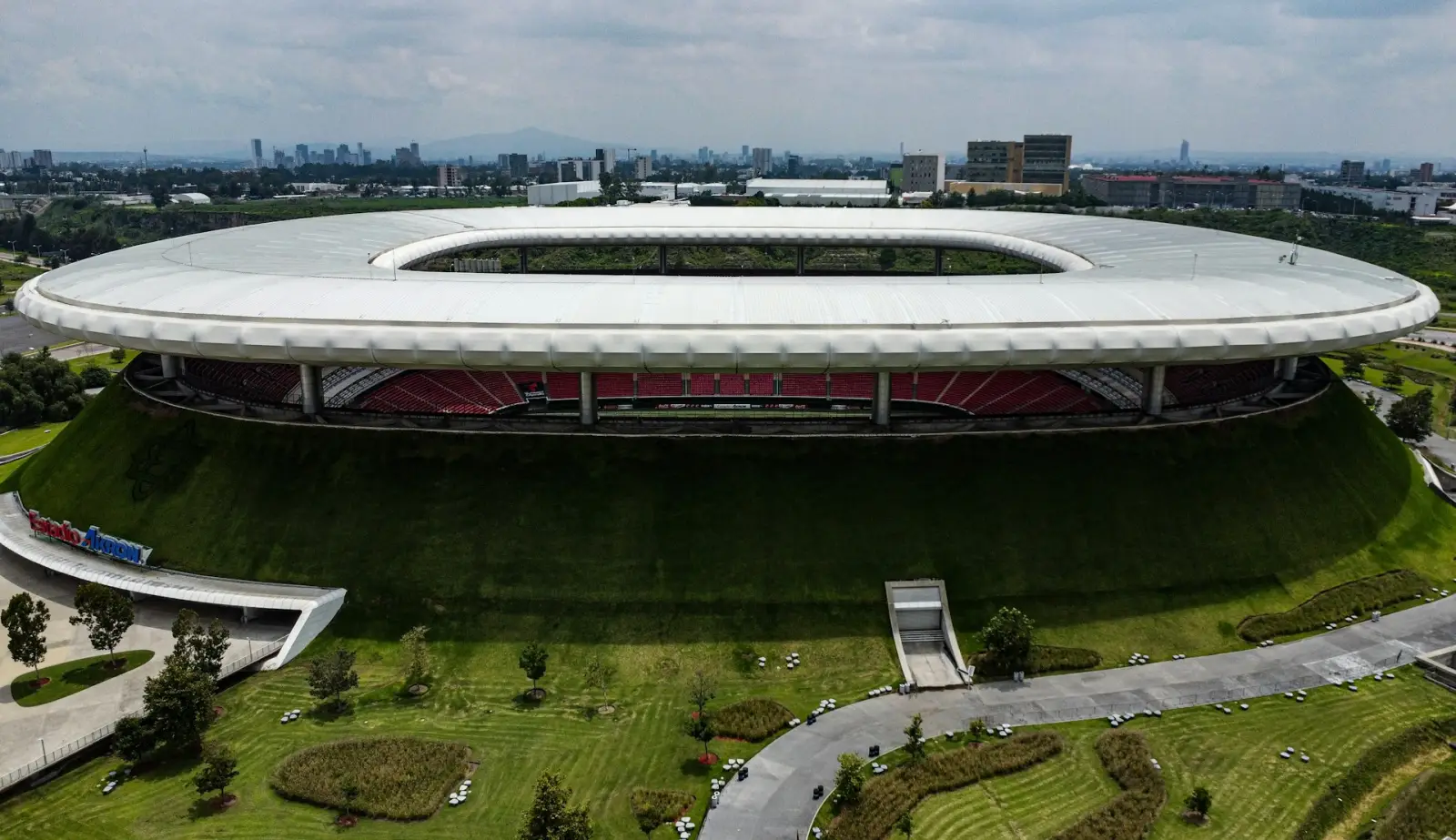
Altitude is the other headline variable, and 2026 has real altitude in the mix. Mexico City is at a height of approximately 2,240 m above sea level, whereas Guadalajara has a height of about 1,566 meters and Monterrey is located at a distance of 540 meters from sea level. Denver (another host city) is famously “The Mile High City” at about 1609 m.
At altitude, teams arriving from sea level are seeing the lower availability of oxygen, which can depress repeating high-intensity actions, again pushing games towards slower tempo and fewer transitions. But there’s a twist: decreased air density can affect ball flight as well. Peer reviewed analysis of environmental effects on the trajectory of a football (including direct free kicks) reveals that altitude and air conditions can have significant effects on the behaviour of a ball.
So altitude can cause totals to be pulled in one direction or another:
- Downward pressure through decreased pressing, repeat sprint capacity.
- Upward pressure if unfamiliar ball flight, longer range efforts, set pieces, extra high-quality looks, especially early in group matches when teams are still adapting.
What to watch out for in 2026 if you’re interested in match totals
If you’re trying to predict whether heat, humidity and altitude will push a fixture over or under, keep it simple:
- Kick-off time and WBGT risk (in the afternoon in warmer and more humid cities tend to be the danger zone).
- Travel and acclimatisation (it is more likely that teams arriving late to altitude/heat will handle pace more conservatively).
- Style match-up (pressing sides losing more of their edge in oppressive conditions changing chance creation).
The 2026 World Cup will still be decided by talent, tactics and moments. But in a tournament spread across climates and elevations, the environment may be a silent force in changing the rhythm of matches, and it’s often a match rhythm where totals are won or lost.