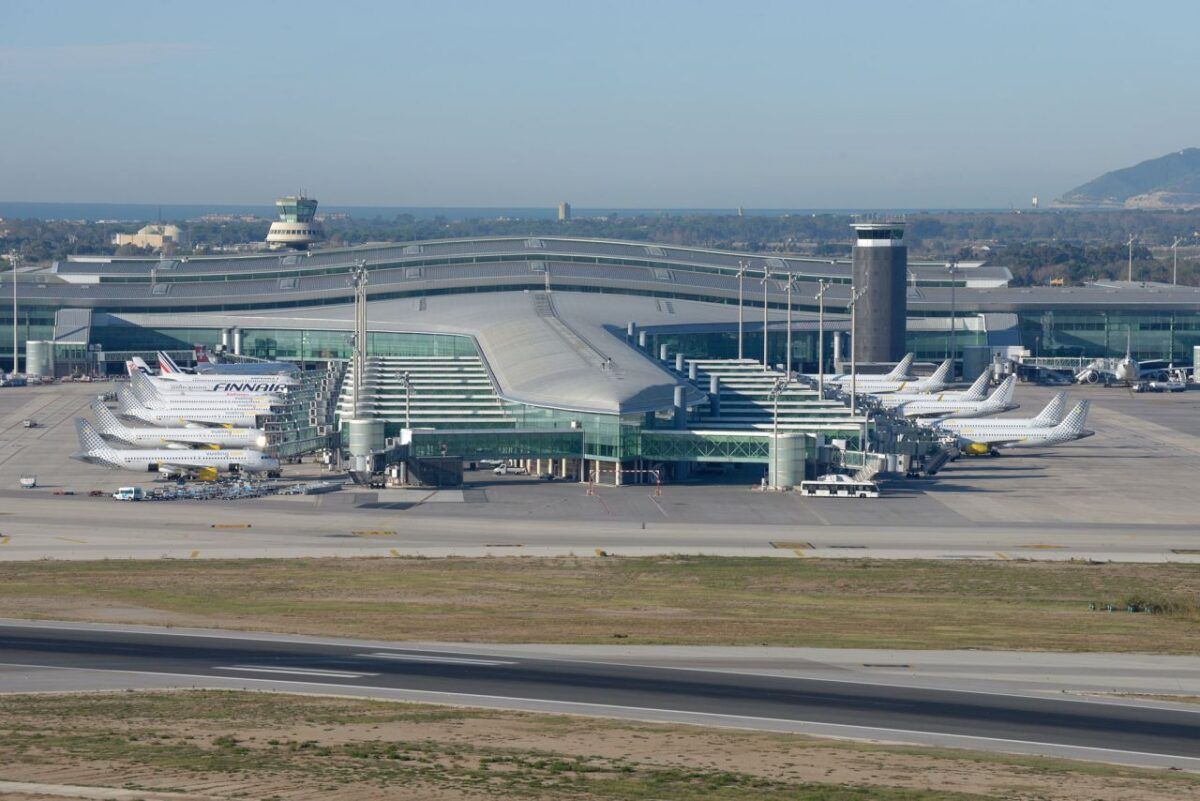
Vueling President and Chief Executive Officer Carolina Martinoli is calling for the expansion of Barcelona-El Prat Airport, arguing that increased capacity is needed to support rising passenger demand, larger aircraft deployments, and the airline’s growing role as the city’s main connectivity provider.
Speaking in recent interviews, Martinoli said Vueling now accounts for around 40% of traffic at the airport and believes infrastructure growth is essential to sustain economic activity, tourism flows, and high-frequency domestic and European routes operating from Barcelona.
Capacity pressures at Barcelona’s main gateway
Barcelona-El Prat Airport has seen sustained traffic growth in recent years as leisure and business travel across Southern Europe rebounds and airlines add short- and medium-haul services. The airport functions as Catalonia’s primary international gateway and a major base for low-cost and hybrid carriers serving the Mediterranean region.
Vueling, which operates one of the largest networks at El Prat, has continued to expand frequencies and destinations, positioning Barcelona as a central hub for point-to-point travel within Spain and across Europe. According to Martinoli, the airline’s scale at the airport makes long-term infrastructure planning increasingly urgent.
“Barcelona must expand its airport in line with its ambition,” said Carolina Martinoli, President and CEO of Vueling.
She highlighted that newer aircraft entering Vueling’s fleet feature higher seating capacity, allowing the airline to carry more passengers per flight. While this improves operational efficiency, it also places additional pressure on terminal infrastructure, runways, and ground services during peak travel periods.
Fleet growth strengthens case for expansion
Vueling has been modernizing its fleet as part of wider efforts by its parent group to improve fuel efficiency and reduce operating costs. The introduction of higher-density configurations is designed to meet strong leisure demand across Mediterranean markets, particularly during summer travel seasons.
Martinoli said the combination of fleet upgrades and rising route frequencies reinforces the need for additional airport capacity. Larger aircraft and fuller flights translate into higher passenger throughput, placing strain on existing terminal space, security checkpoints, and boarding operations.
She also pointed to Barcelona’s role as a business, tourism, and cultural hub, noting that air connectivity plays a central role in maintaining the city’s competitiveness against other major European destinations with expanding airport infrastructure.
“Vueling’s dense route network enables frequent domestic travel and strong European links,” said Carolina Martinoli, President and CEO of Vueling.
While detailed expansion plans remain subject to political approval and environmental review, the renewed public push from one of the airport’s largest operators adds momentum to long-running debates over El Prat’s future development.
Previous proposals have included runway extensions and terminal upgrades aimed at accommodating long-haul growth and higher passenger volumes. Environmental concerns and regional planning disputes have slowed progress in past years, despite consistent traffic growth.
Industry analysts note that Barcelona faces increasing competition from other Mediterranean hubs that have invested heavily in airport modernization to capture rising tourism flows from Europe, the Middle East, and North America.
For airlines like Vueling, infrastructure constraints can limit schedule flexibility and future expansion, particularly during peak summer periods when demand for short-haul leisure travel is strongest.
Martinoli’s comments signal that major carriers operating at El Prat are preparing for continued growth in passenger numbers and expect airport infrastructure to evolve accordingly.
As travel demand across Southern Europe remains strong in early 2026, pressure is likely to increase on Spanish authorities and airport operators to revisit stalled expansion projects and align capacity planning with long-term traffic forecasts.
The debate over Barcelona-El Prat’s future is expected to intensify as airlines finalize summer schedules and passenger volumes approach pre-pandemic and record levels across the region.