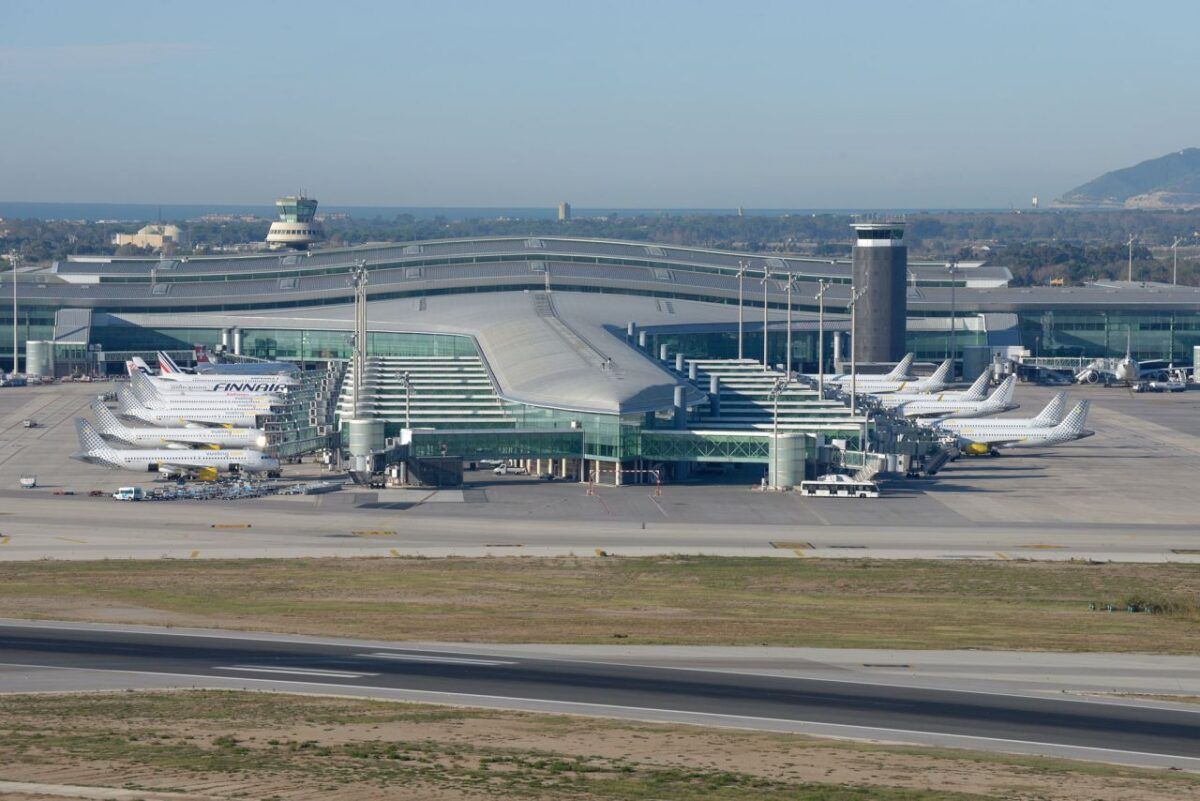
Catalonia’s airports handled more than 1.7 million international passengers in March, a 5.7% increase compared with the same month a year earlier, according to data released by Spain’s Ministry of Industry and Tourism. The region accounted for 20.3% of all international travellers arriving in Spain during the month.
Barcelona’s Josep Tarradellas Barcelona-El Prat Airport handled almost all of the international traffic in the region. Growth was driven by low-cost airlines, which recorded a 9.6% rise in international passengers, while traditional carriers saw a 4.6% decline.
In the first quarter of the year, Catalonia’s airports received nearly 4.7 million international passengers, up 5.6% year on year. The region represented 20.9% of all foreign travellers arriving in Spain between January and March.
The figures underline Catalonia’s continued importance as a gateway for international tourism into Spain, particularly through Barcelona, one of Europe’s busiest and most connected cities. The steady rise in passenger numbers reflects sustained demand for city breaks, cultural tourism and business travel, alongside the recovery and expansion of airline routes following recent years of disruption.
Barcelona-El Prat Airport remained the dominant hub, handling 4.6 million international passengers in the first quarter alone, equivalent to 98% of the region’s total. This marked a 5.5% increase compared with the same period in 2025, reinforcing the airport’s central role in Catalonia’s aviation network.
Other regional airports in Catalonia, including Girona and Reus, handle a much smaller share of international traffic and are largely focused on low-cost and seasonal routes.
Low-cost carriers continued to strengthen their position in the market. Of the total international passengers passing through Barcelona in the first three months of the year, 3.2 million travelled with budget airlines, a 6.1% year-on-year increase. These carriers have expanded route networks and frequencies, making short-haul and medium-haul travel more accessible and competitive.
Traditional airlines also contributed to overall growth, although at a slower pace. Nearly 1.4 million international passengers flew with full-service carriers in the first quarter, representing a 4.1% increase compared with the previous year. Despite the decline recorded in March alone, the quarterly data suggests some resilience in this segment, particularly on long-haul and premium routes.
The data highlights a broader trend across European aviation, where low-cost operators continue to capture a growing share of passenger traffic. Their ability to offer competitive fares and adapt quickly to demand has reshaped travel patterns, particularly for leisure travellers and short trips.
At the same time, Barcelona’s strong performance reflects its enduring appeal as a global destination. The city attracts a wide range of visitors, from tourists drawn to its architecture and coastline to business travellers attending international events and conferences.
Spain as a whole continues to benefit from robust international travel demand, with Catalonia playing a key role in sustaining national growth figures. The region’s share of more than one fifth of all foreign arrivals underscores its strategic importance within the country’s tourism sector.
With the peak summer season approaching, industry observers will be watching whether the upward trend continues, particularly as airlines adjust capacity and pricing in response to demand. For now, the latest figures point to steady growth and a strong start to the year for Catalonia’s airports.