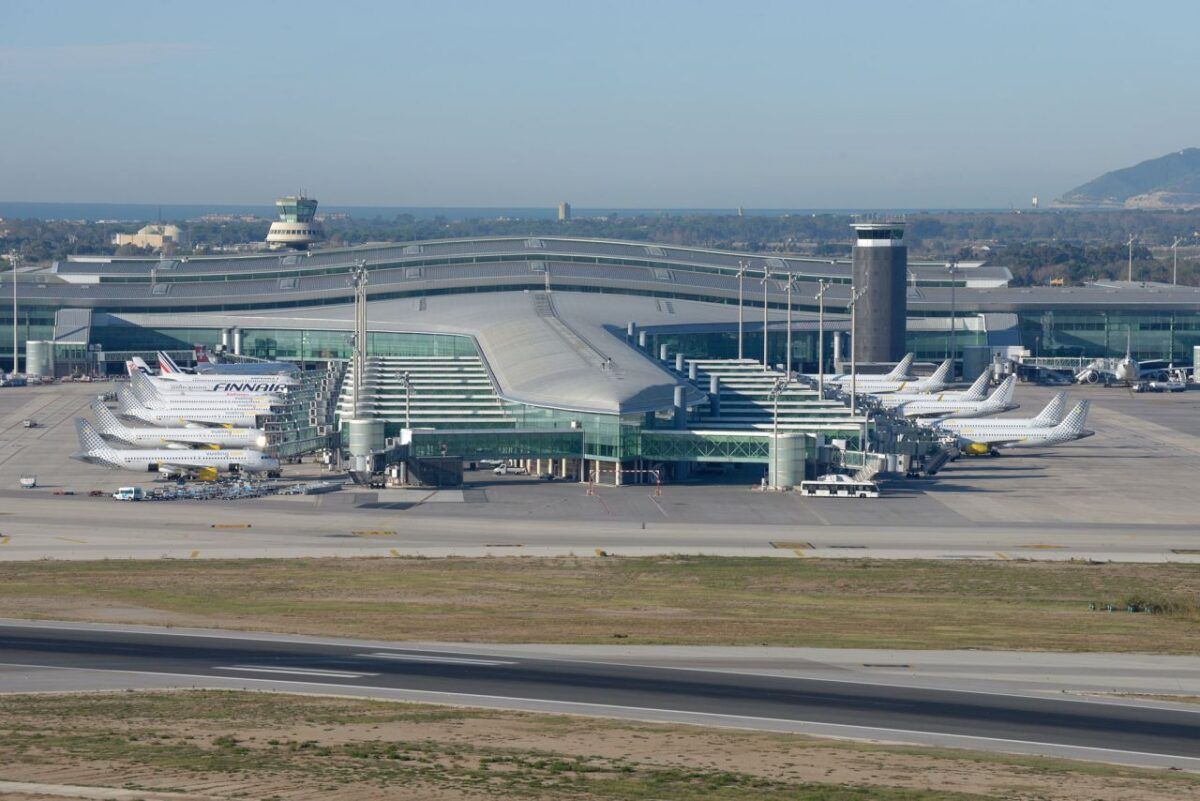
Barcelona El Prat Airport expansion finally approved, putting an end to four years of political, environmental, and bureaucratic gridlock. With this decision, the Catalan government has given the go-ahead for one of Spain’s most contested infrastructure projects, a move that could reshape the future of intercontinental travel through the Catalan capital.
The approved plan includes the long-debated extension of the third runway, though at a reduced scale compared to what was initially proposed by airport operator Aena in 2021. In return, the government has negotiated environmental compensation measures to address the anticipated biodiversity loss at La Ricarda, a protected wetland adjacent to the airport.
Political Shifts and Delayed Decisions
The decision comes after years of polarization. On one side were business and tourism stakeholders pushing for growth and better international connectivity. On the other, environmentalists and residents voiced deep concern over ecological damage and the impact on surrounding communities like Gavà Mar and Castelldefels.
Although similar plans nearly received approval in 2021, disagreements within the then-ruling coalition between Junts and ERC halted the process. Since then, the issue remained dormant, locked within political debates and technical evaluations—until now. With the shift in regional leadership to Salvador Illa’s government and a more strategic regional vision for Catalonia’s airport network, the expansion proposal was re-evaluated and ultimately endorsed.
What the Expansion Includes
The most controversial element—the third runway—will be extended, albeit to a lesser extent than Aena originally envisioned. This partial expansion is seen as a compromise, limiting encroachment on La Ricarda while still allowing room for El Prat to grow its capacity for long-haul flights. The expansion also includes construction of a satellite terminal and upgrades to airport governance structures.
Environmental groups remain cautious. The deal includes compensation measures to mitigate the damage to La Ricarda’s ecosystem, but skepticism remains about enforcement. Aena has promised to fund biodiversity restoration, while regional authorities say oversight mechanisms will be put in place.
Funding, Timeline, and DORA III
Aena, which is listed on the stock exchange and finances infrastructure projects through airline fees, has earmarked approximately €1.7 billion for the expansion. However, this figure could increase depending on the final cost of environmental compensations and governance reforms.
The entire project must now be folded into Spain’s upcoming Airport Regulation Document (DORA III), which outlines future airport developments and is expected to be approved in the second half of 2026. As a result, no groundbreaking or construction will begin until that document is finalized. If all goes according to plan, the expansion won’t be complete until around 2034.
Reorganizing Airspace Across Catalonia
Another major element in winning political support—particularly from ERC—was the commitment to redistribute air traffic among Catalonia’s other airports in Girona and Reus. This regional rebalancing aims to ease pressure on El Prat while giving secondary airports greater roles in the country’s aviation network. It also addresses local complaints about noise pollution and overflights in residential areas south of the city.
While questions remain about flight paths and community impact, supporters argue that a modernized and expanded El Prat is essential for Barcelona’s competitiveness on the global stage. With more long-haul capacity, the city could attract new airline routes and become a stronger hub for transatlantic and Asian connections.
From Gridlock to Takeoff
Barcelona El Prat Airport expansion finally approved after years of uncertainty—and with it comes both hope and apprehension. For business leaders and tourism advocates, it’s a long-awaited step toward greater connectivity. For conservationists and local residents, it’s a test of whether growth can be achieved without sacrificing ecological and community well-being.
While the bulldozers won’t arrive tomorrow, the approval marks a clear shift in Catalonia’s infrastructure priorities. Now, all eyes are on DORA III and whether the vision for a more balanced, forward-thinking airport system in Spain’s northeast can become reality before the end of the next decade.