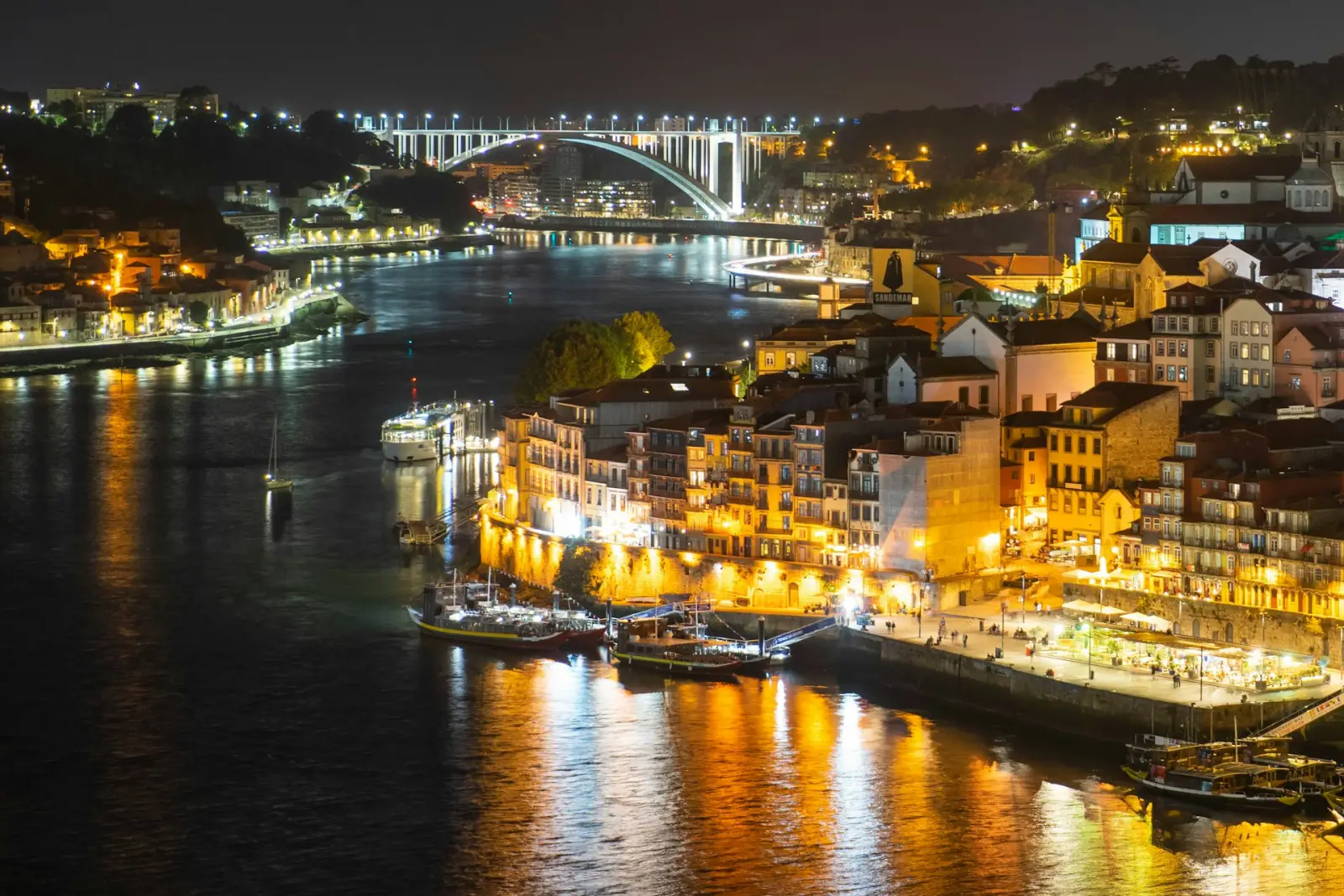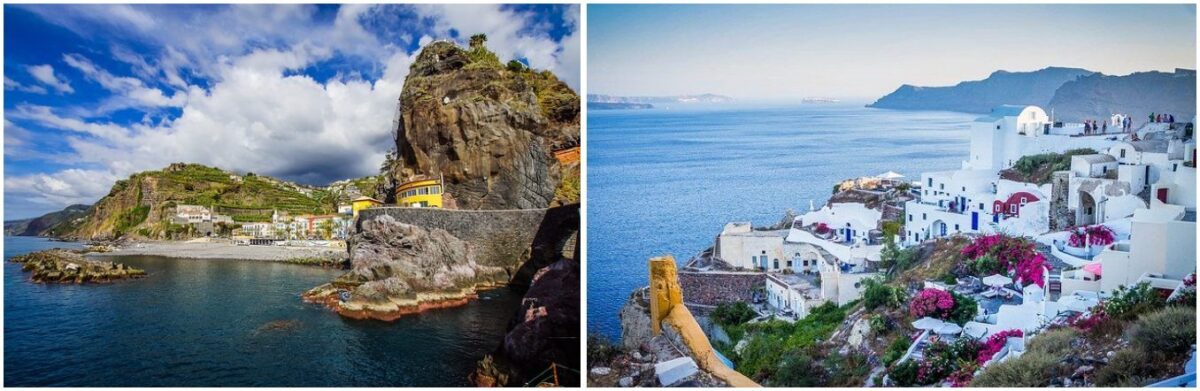
Portugal has spent the last decade quietly turning into one of Europe’s most interesting walking destinations. The infrastructure is now in place. The trail network is well marked. The villages along the routes have absorbed the new traveller traffic without losing their character. What used to be a niche option that traded heavily on the Camino’s overflow has matured into a category of its own, with operators that specialise in the country’s specific terrain rather than treating it as a Spanish footnote.
For travellers looking past the obvious city itineraries and considering a multi-day walking trip, the practical questions start with the operator rather than the route. The market has matured to the point where the top hiking tours in Portugal compete on logistics and curation rather than on the novelty of the destination, which is why the choice between operators now matters more than the choice between countries. The criteria worth knowing before booking are mostly logistical, but a few of them will shape how a traveller talks about the trip for years afterwards.
Why Portugal Walks Differently to Anywhere Else in Europe
Portugal’s geography produces a walking experience that does not translate cleanly from any of its neighbours. The country is small enough that a week-long itinerary can move from coastal cliff paths to mountain interior to terraced vineyard country without rushing. The terrain shifts in a way that other European trails do not.
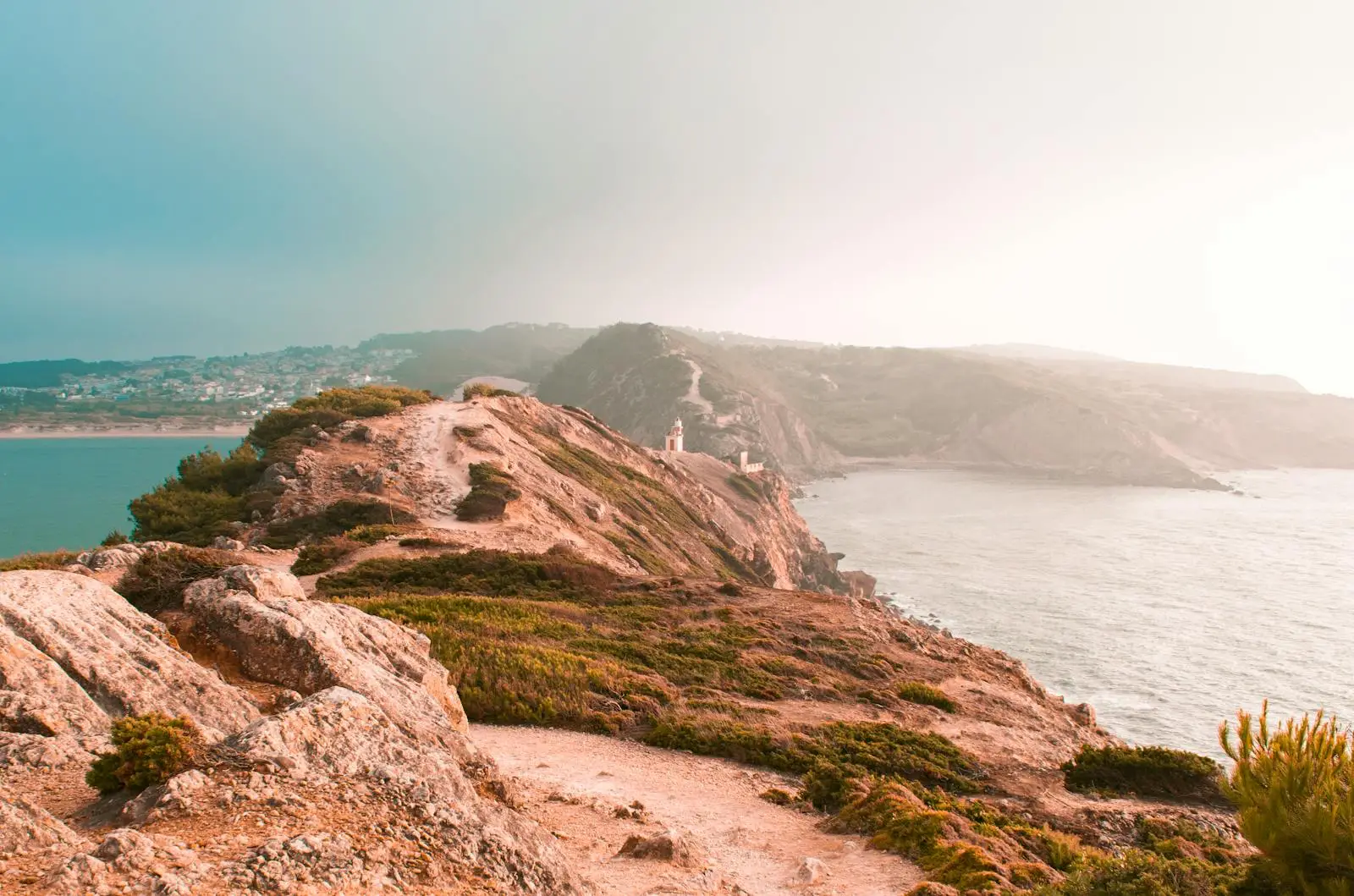
The Atlantic coast carries the longest continuous walking corridor. The Rota Vicentina in the southwest and the Caminho dos Faroleiros along the northwest combine cliff-top paths, sheltered estuaries, and small fishing villages that have been quietly converted into trail-stage stops. The wind off the ocean is a constant factor and walkers who have hiked Spain’s interior often underestimate its effect on daily energy.
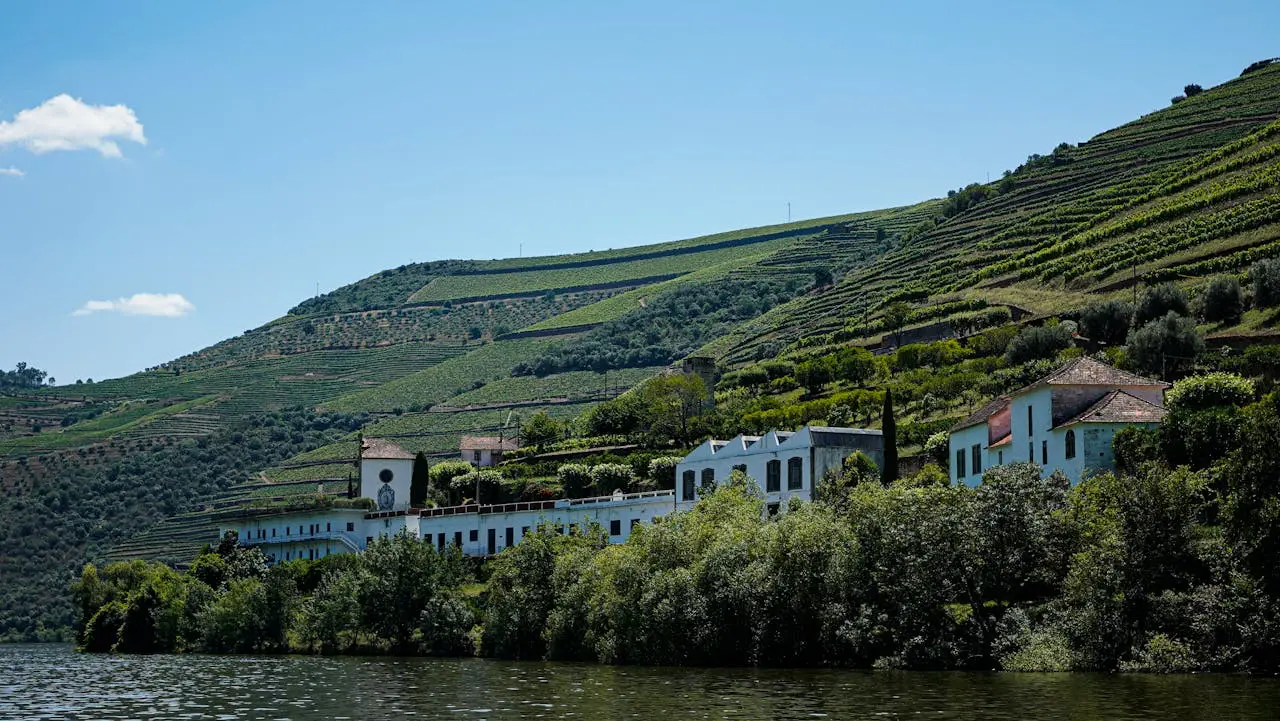
The Douro Valley produces a different walking week entirely. Terraced vineyards, schist-stone trails, and small village inns shape itineraries that read more like wine-country walks than wilderness ones. The Alto Douro Wine Region carries UNESCO World Heritage protection, which is part of why the cultural fabric of the valley has held together as walking-tour traffic has grown. The official tourism authority’s Portugal travel information page covers the visa and entry side, which most EU and U.S. travellers find straightforward, but the on-the-ground walking specifics are not the kind of thing that ends up on a state-department page.
The interior of the Serra da Estrela and the parks around the Spanish border deliver Portugal’s higher-altitude option. These routes are quieter, the villages are more spread out, and the weather windows are narrower than the coastal options. A walker who is used to the Lake District or the Cévennes will recognise the rhythm. The unique element is the network of pousadas and rural inns that absorb walkers in places that look from a map like they should not have any accommodation at all.
What a Modern Tour Operator Actually Does
The category has matured well past the early-2010s setup of a guidebook plus a list of bus connections. A current Portugal walking-tour operator typically combines several functions.
Luggage transfer between stages. The operator collects bags at one inn each morning and delivers them to the next inn by evening, leaving walkers to carry only a daypack. This single feature is the largest single multiplier on how enjoyable a multi-day Portuguese walk feels.
Inn-to-inn routing with confirmed bookings. The walker does not negotiate with rural inns directly. The operator confirms the bed, the meals, and any dietary requirements in advance. This matters more in shoulder-season Portugal than it does in peak Mediterranean summer.
Daily route notes with up-to-date trail conditions. The country’s trail-marking authority is reasonably good but small slips happen, especially after winter storms reshape coastal paths. Notes from an operator who walked the route the same week add a layer of confidence.
Optional guided segments. Most operators offer a self-guided product as the default and a guided option for the segments where the route benefits from local knowledge. The Douro Valley wine-stage and the Serra da Estrela altitude-stage are the two segments where the guided option pays off most reliably.
A 24-hour support phone line in English and Portuguese. Walkers who have only ever travelled in well-marked national-park systems often dismiss this until the day they need it.
How to Choose Between Operators
The decision is rarely about the trail itself, which is shared across all operators on any given route. The decision is about how the operator handles the small things that produce a good trip versus a frustrating one.
A direct conversation before booking. Operators who answer specific questions about pace, dietary requirements, and accessibility within twenty-four hours are the same operators who handle problems on the trail without drama. Operators who reply with generic marketing copy are the ones who require the walker to manage the trip themselves.
Inn quality consistency. Some operators use a mix of two-star roadside inns and beautiful country pousadas. Others curate to a more uniform standard. Both can produce a good trip, but the walker should know which version they are buying before paying.
Route flexibility. Weather happens. The best operators have a documented protocol for shortening or modifying a stage when an Atlantic storm closes a coastal path or a mountain segment becomes unsafe. The walker should ask about this before booking.
Cancellation and rebooking terms. Portugal’s shoulder seasons are increasingly popular and a poorly handled rebooking can erase the value of an otherwise good tour. The terms should be clear in writing.
For travellers used to comparing the European walking-tour scene across countries, Portugal’s operators tend to be smaller and more independently run than the German or Austrian equivalents. This produces more variation between operators but also more genuine country expertise per booking. Travellers who are also weighing other Mediterranean options often find that comparing Portugal directly with the latest advisories around Italian travel gives a clearer picture of which country fits their tolerance for crowds and unpredictability.
When to Go and Why the Season Question Matters
The Portuguese walking calendar has three distinct windows.
Spring, roughly mid-March through May. Wildflowers along the Atlantic, comfortable temperatures inland, and the lowest crowd density of the walking year. Some inland trails are still drying out from winter rains in early March, so the better stages of the calendar tend to fall in April and May.
Autumn, roughly September through early November. The harvest season in the Douro Valley produces the most photographed walking weeks in the country. Coastal paths are still warm and dry. The light in late September is the kind that defines a country’s image in postcards. Bookings for September run six to nine months ahead at the better operators.
Winter, roughly December through February. The Atlantic coast remains walkable for prepared travellers, but rural inns operate on reduced schedules and some interior routes close. Winter walking in Portugal is for the experienced traveller who values quiet, lower prices, and a more contemplative version of the trip.
Summer is best avoided for serious walking. Coastal stretches become crowded and the interior heat makes mid-day walking unpleasant. The shoulder seasons are when Portugal walks at its best.
Common Mistakes Travellers Make Around a Portuguese Walking Trip
A short list of recurring mistakes that show up in operator post-trip surveys.
Underestimating the daily distance. Portugal’s stages are typically twelve to twenty kilometres but the cumulative ascent and the cliff-path scrambles make some twelve-kilometre stages feel like Alpine eighteen-kilometre days. Walkers who have benchmarked themselves on flat European long-distance paths sometimes book a pace that is too aggressive.
Skipping the rest day. A seven-day itinerary without a rest day is mechanically possible but rarely produces the better trip. The Douro Valley and the Algarve coast both reward an unhurried day in the middle of the week.
Carrying too much. The luggage-transfer service is the operator’s biggest gift to the walker. The temptation to pack a third pair of shoes or four extra layers should be resisted.
Overlooking dietary specifics. Rural Portuguese inns serve a heavily traditional menu. Walkers with serious dietary restrictions should confirm in advance with the operator rather than negotiating at each evening’s table.
Ignoring the weather brief. The operator’s weather note for the next morning is not optional reading. Atlantic squalls land faster than the morning forecast often suggests, and the walker who carries a properly chosen rain layer always has a better day than the walker who decides at breakfast that the sky looks fine.
What to Look For in a Portugal Walking-Tour Booking
A short checklist for travellers comparing operators.
A clearly listed daily distance and ascent figure for each stage. Confirmed inn bookings before the walker pays the deposit. A 24-hour support line in English and Portuguese. A documented protocol for weather-related route changes. A cancellation policy in writing with specific dates rather than vague language. A mix of self-guided and guided options where the route warrants. A reasonable luggage-transfer commitment, ideally with same-day delivery before evening. A clear breakdown of meal inclusions and any optional add-ons.
Frequently Asked Questions From Travellers Considering Portugal
How fit do I need to be to enjoy a Portuguese walking week?
Most coastal and Douro routes are accessible to walkers who are comfortable with twelve-to-fifteen kilometre days on rolling terrain. The Serra da Estrela and the Peneda-Gerês high routes require more conditioning. A reputable operator will ask about recent walking experience as part of the booking conversation and adjust the recommended itinerary accordingly.
Can a non-Portuguese-speaking walker do a self-guided tour comfortably?
Yes. Operators provide route notes in English, and most rural inns now have at least one staff member who is comfortable in English. The 24-hour support line covers the rest.
What does a typical week cost?
Self-guided weeks at established operators run roughly €1,200 to €2,400 per person for a six-night programme including inns, breakfasts, and luggage transfer. Guided weeks add €400 to €900 per person. Flights and the first and last airport transfers are usually separate.
Is Portugal a good destination for solo walkers?
Portugal handles solo walkers better than most European hiking destinations. Rural inns are accustomed to single travellers and many operators offer a small single-occupancy supplement rather than the punitive levels common elsewhere. The trail network feels safe and the local culture toward older solo travellers in particular is exceptionally warm.
A Final Note for Travellers Comparing Their Next Trip
The reason Portugal has shifted from a Camino footnote to a destination of its own is that the country produces a walking experience that does not feel like a substitute for anything else. Coastal cliff paths, terraced wine country, and quiet mountain villages combine in a single short-haul trip in a way that the rest of Europe does not quite replicate. The choice between operators matters more than the choice between routes, because the country itself is reliably excellent. The traveller who books with attention to the operator’s logistics tends to come home with a trip that they recommend to friends for years. The traveller who books on the lowest price tends to come home with a story that they are still polite about.