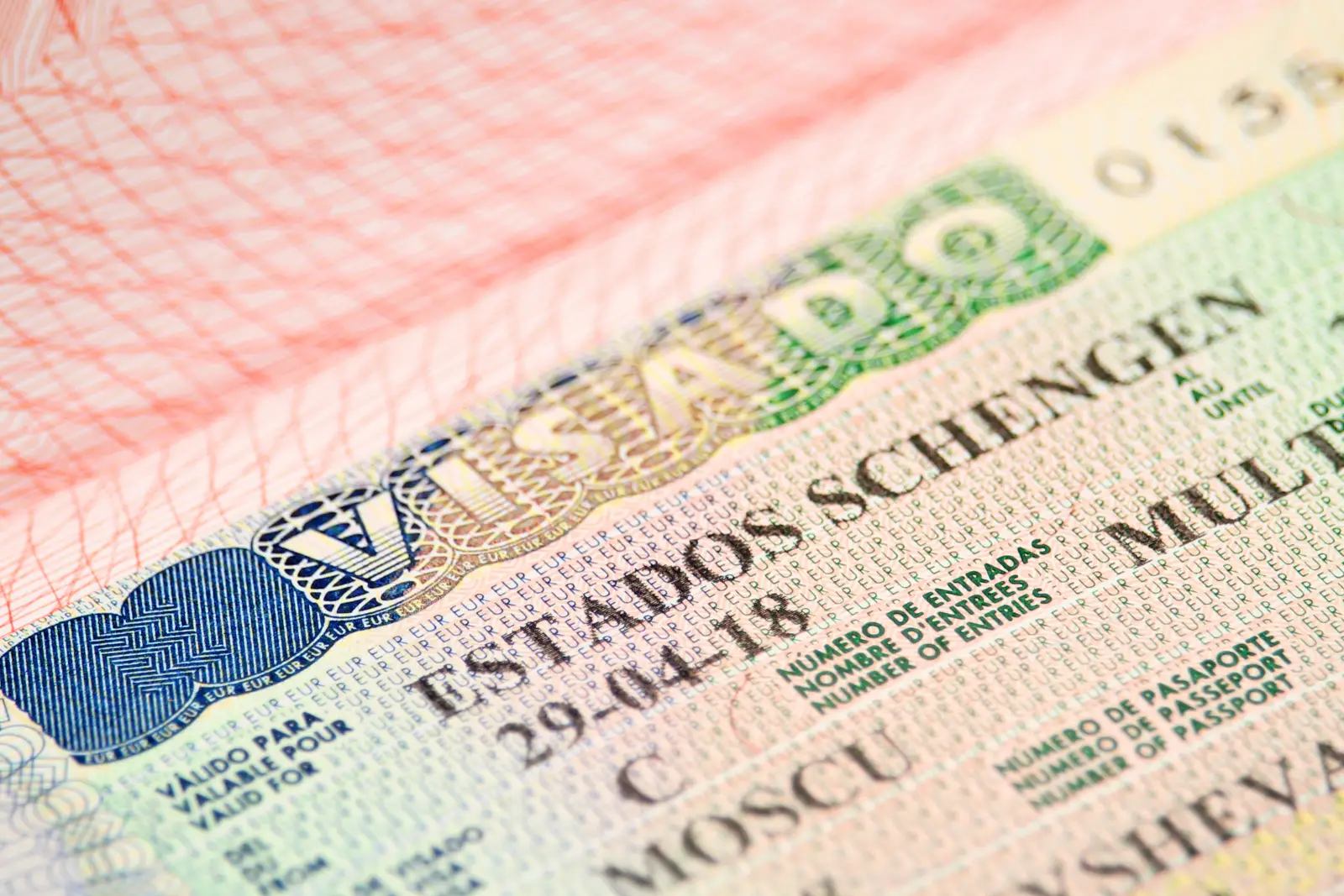
Portugal’s government has confirmed that the European Union’s new Entry/Exit System (EES) will launch on 12 October 2025, replacing manual passport stamping for non-EU citizens at the country’s airports, seaports and land borders.
The system will digitally register travelers’ entry and exit dates and collect biometric data to enforce the 90-days-in-180 rule for short stays in the Schengen area.
The EES is part of an EU-wide rollout and will apply to all non-EU citizens entering the Schengen zone for short stays, whether they require a visa or not. Authorities said the new system should ultimately speed up border checks once travelers are registered but warned that processing times may initially be longer as biometric data is captured for the first time.
How the Entry/Exit System Works
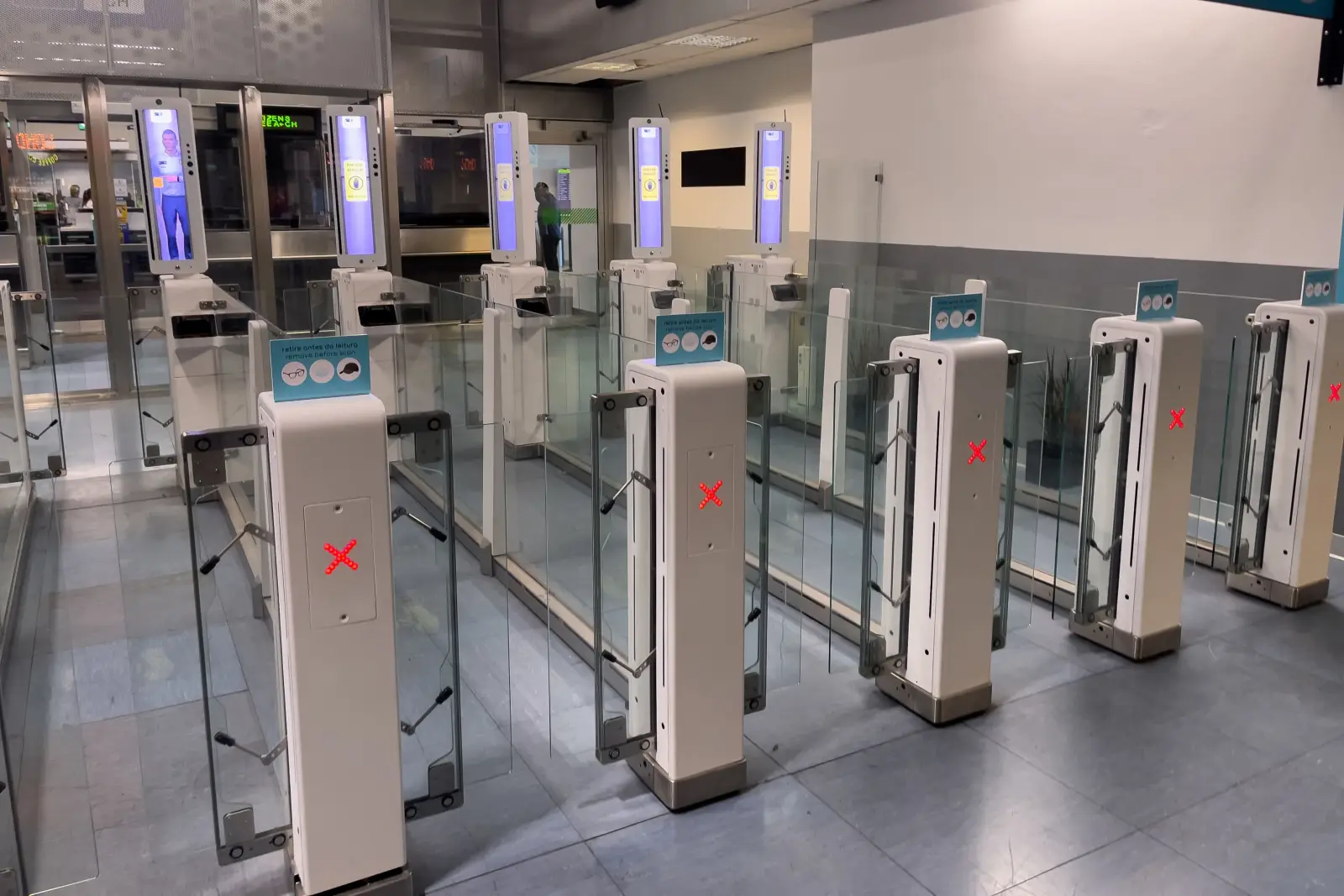
The EES will replace the practice of stamping passports at border crossings. Instead, automated systems will record the date, time and location of each entry and exit, allowing authorities to track compliance with the 90-days-in-180 rule. On first entry, travelers will be required to provide fingerprints and a facial image, which will be stored alongside their travel history.
According to local news, the Internal Security System (SSI), along with law enforcement agencies, airport and port operators, and aviation regulators, is overseeing the implementation in Portugal. Officials said the objective is to enhance border security and ensure consistent enforcement of stay limits across the Schengen zone. The system will also automatically identify travelers who overstay the permitted 90-day limit.
Rollout Timeline and Regional Impact
The European Commission has confirmed that the EES will be introduced across all Schengen member states starting 12 October 2025, with a phased implementation expected to take up to six months. Full functionality across all entry points in the EU is scheduled by 10 April 2026. Portugal will begin applying the new system immediately at its international airports and major land border crossings with Spain.
The transition is expected to impact travel flows, particularly at airports in Lisbon, Porto and Faro, which process millions of non-EU travelers each year. Border officials are preparing for longer queues in the early weeks as passengers submit their biometric data, though they expect faster clearance in the long term once registrations are complete.
The Portuguese authorities are urging travelers to allow additional time for border formalities, especially during the initial phase of implementation. They also emphasized the importance of ensuring travel documents are valid before arrival to avoid delays under the new system.
Non-EU citizens entering Portugal for short stays will need to undergo the EES registration process from 12 October. This includes travelers from countries such as the United States, United Kingdom, Canada and Australia, who are currently permitted visa-free entry for up to 90 days. Exemptions will apply to individuals holding residence permits or long-stay visas issued by Schengen states.
The system will apply equally at air, sea and land borders. Once registered, travelers will not need to provide their biometrics again for each entry, but their entries and exits will be recorded digitally at every crossing. Authorities say this will reduce the risk of passport misuse and increase transparency in managing non-EU arrivals and departures.
While the system is designed to make crossings more efficient in the long term, Portuguese officials and EU institutions acknowledge the likelihood of bottlenecks during the initial rollout. Travelers are advised to monitor updates from airports and airlines and to arrive early at departure points until operations stabilize.
The EES is one of the European Union’s flagship “smart borders” projects, intended to modernize border management and strengthen the integrity of the Schengen area. By digitizing entry and exit records, the system eliminates reliance on manual passport stamps, which officials say are less reliable for calculating stays and detecting overstays.
The project has been delayed several times due to technical and logistical challenges, but the EU now considers it ready for deployment. Officials said the biometric database will support both border management and law enforcement functions, while maintaining compliance with European data protection rules.
Portugal, like other EU member states, has conducted system tests in coordination with airports, maritime authorities and police services. Training of border staff is ongoing to prepare for the influx of travelers during the initial phase. The government has emphasized that, despite expected challenges at the start, the system will improve efficiency and security once fully operational.
With less than a month before the launch, Portugal’s government is focusing on communicating the changes to travelers and industry stakeholders. Airports and airlines are updating passenger information materials, while government agencies are issuing advisories on the new requirements. The EES is expected to mark a significant shift in how non-EU citizens enter and leave the Schengen area, replacing decades of manual stamping with a centralized digital system.
Photo Credit: max.ku / Shutterstock.com