Portugal is compact, good value, and easy to stitch into workable routes. Cities sit on direct rail lines, coast and countryside are never far apart, and the big hits fit together without complicated connections. That makes the country a rare thing in travel planning: a destination where you can choose one backbone route, then add short, photogenic detours that do not break your schedule or budget.
For baseline route outlines and sample durations, Portugal trips can serve as a neutral reference point. The briefing below translates that big picture into season-aware routes and on-the-ground essentials you can actually use.
When to go
Spring – March to May. Mild days, long light, and green landscapes. Urban blossoms in Lisbon and Porto pair well with monastery towns inland. Coasts can be breezy, but that keeps crowds lighter outside holidays.
Summer – June to August. Warm to hot across the mainland, hottest in the interior. The Atlantic moderates the Algarve and the Lisboa coast, though afternoons can be bright and windy. This is beach-and-late-dinner season, with lively waterfronts.
Autumn – September to November. Reliable travel weather with sea temperatures still comfortable into October. Vineyards in the Douro turn gold, and cities settle back into a local rhythm after summer.
Winter – December to February. Cooler and wetter, especially in the north, but museum time is excellent and prices are softer. The south has plenty of clear days for coast walks. Madeira is springlike year round; the Azores mix sun and showers.
Core northbound spine: Lisbon to Porto
For first timers, the simplest structure is a northbound arc from Lisbon to Porto, with one or two stops en route. Treat Lisbon as your soft landing for jet lag and orientation, then follow the rail line or highway north. Trains link capital to capital comfortably, with central stations at both ends and local connections that are straightforward. Whether you ride or drive, you can be city center to city center in half a day, leaving room for a museum morning and a river walk at dusk.
Stops that fit without strain. Coimbra sits roughly midway and adds a university hill, riverside strolls, and an easy overnight. Óbidos is a walled postcard best seen morning or evening if you are driving. Aveiro offers canals and, a few minutes away, Costa Nova’s striped houses for a short, colorful pause.
Coastal corridor: light, surf, seafood
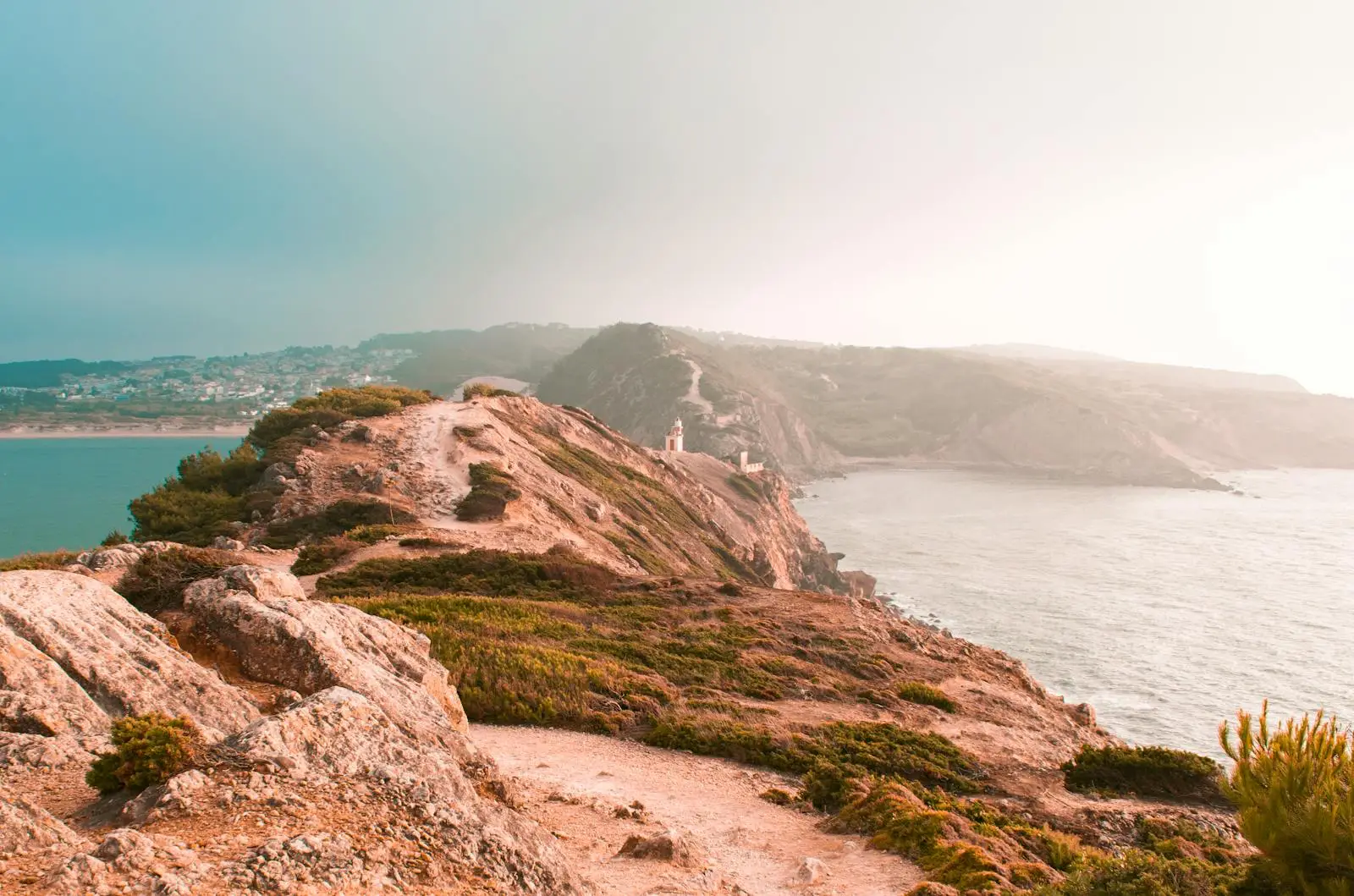
If your travelers want the Atlantic in the itinerary, fold in the coast between Lisbon and Porto. Cascais and Estoril sit on a commuter rail from the capital, so you can bolt on a sea-air afternoon without a car. Drive or bus north and Nazaré brings a dramatic amphitheater beach and, in season, legendary swells. Farther up, Figueira da Foz has broad sands, while Aveiro and Costa Nova deliver pastel house fronts and boardwalks that shoot well at golden hour.
Pacing note. The coastal lane is a time sink in the best way. Build half-day stops rather than all-day commitments. The value is in short, scenic pauses between two well-connected cities.
Interior heritage belt: cloisters, castles, and quiet streets
Swing inland and you pick up a line of UNESCO-class monuments and compact towns made for slow walks.
- Alcobaça impresses with its austere Cistercian lines and echoing nave.
- Batalha is stone lace and late-afternoon shadow play.
- Tomar layers Templar history inside the Convent of Christ and suits an overnight if you prefer smaller bases.
- Coimbra adds student energy after dark and library lore by day.
It is realistic to see one major monastery and one town on a travel day while still reaching your next base before dinner.
Wine country module: the Douro
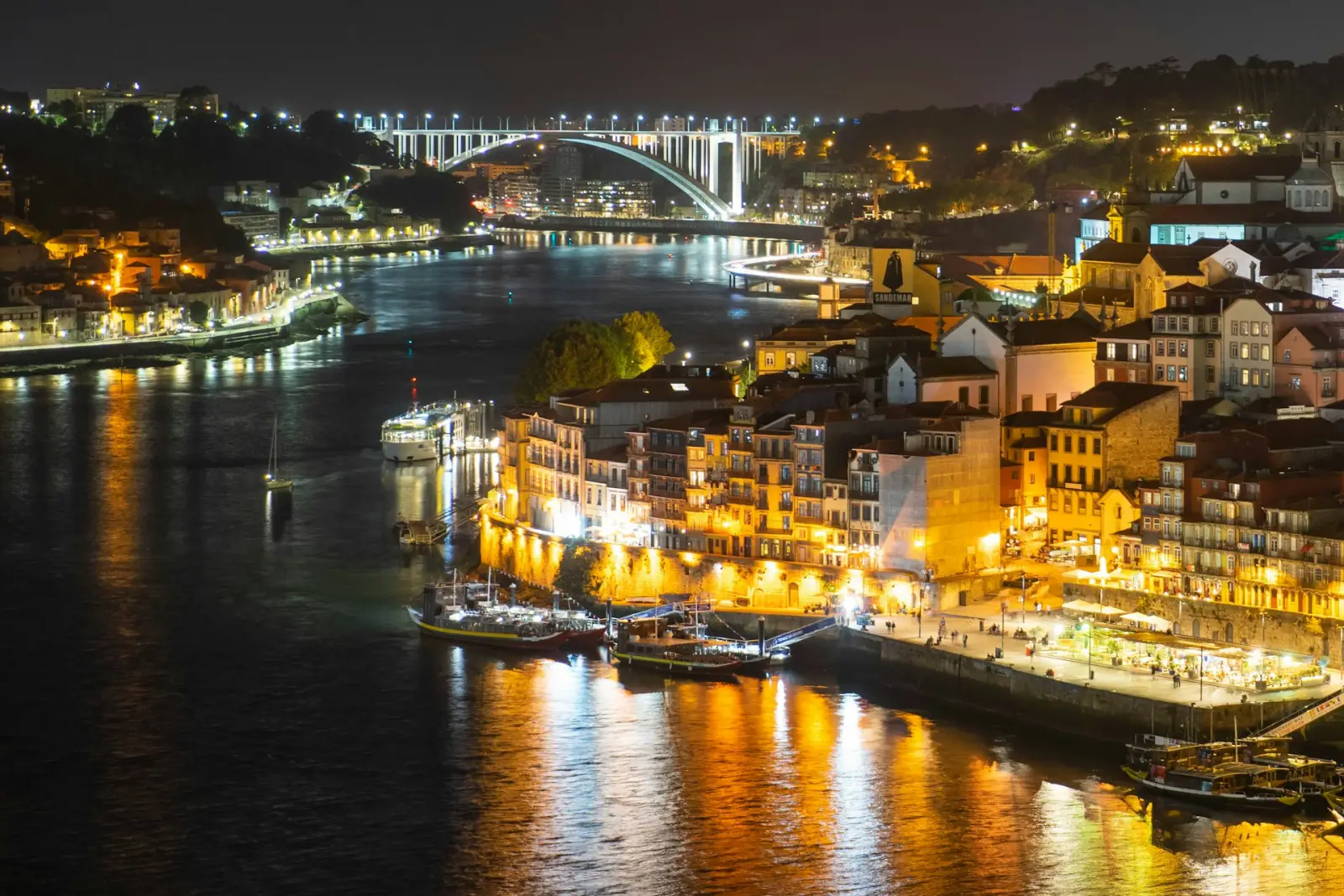
Porto is more than an endpoint. The Douro Valley rides right up to the city’s edge, and you can follow the river by train, road, or boat. Trains trace the water on scenic tracks; self-drivers will find pullouts above Pinhão with terraces that layer into the distance. If time is tight, pair a river ride with a single quinta for a tasting and lunch. If time allows, stay overnight upriver and return the next morning when light is soft and roads are quiet.

Algarve module: cliffs and coves
When a trip needs a warm-water chapter, add the Algarve to the south. Lagos makes a convenient base for cove beaches and clifftop walks around Ponta da Piedade. Tavira suits travelers who prefer a gentler cadence and island beaches reached by short ferries. Trains and buses connect the main towns; a car is helpful only if you plan to string smaller coves in one day. Aim beach time for mornings and late afternoons when light is softer and heat is easier.
Islands module: Madeira and the Azores
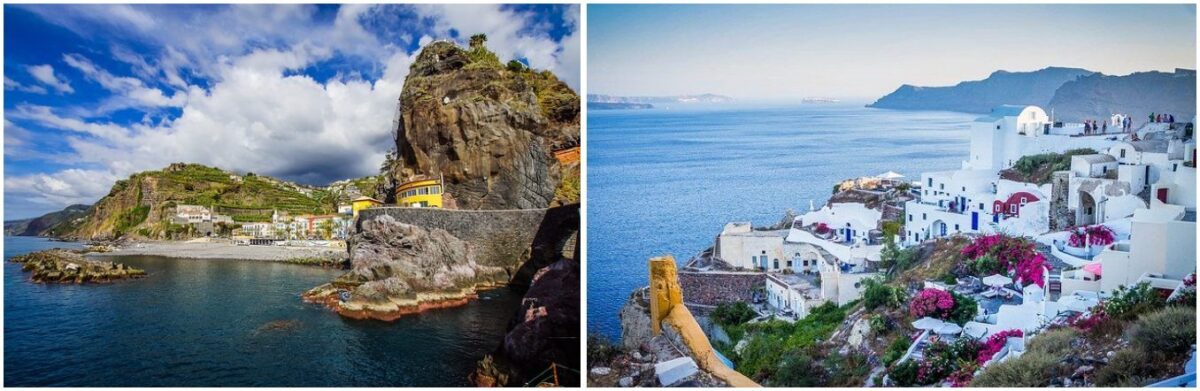
With extra days, islands broaden the palette without long-haul fatigue. Madeira combines levada walks, botanical gardens, and balcony-view hotels with a springlike climate that flatters shoulder-season trips. The Azores suit hikers and landscape photographers who do not mind changeable weather in exchange for crater lakes, hot springs, and green-on-green scenery. On both, build flex days into the plan for weather wiggles.
Traveler essentials that keep the plan smooth
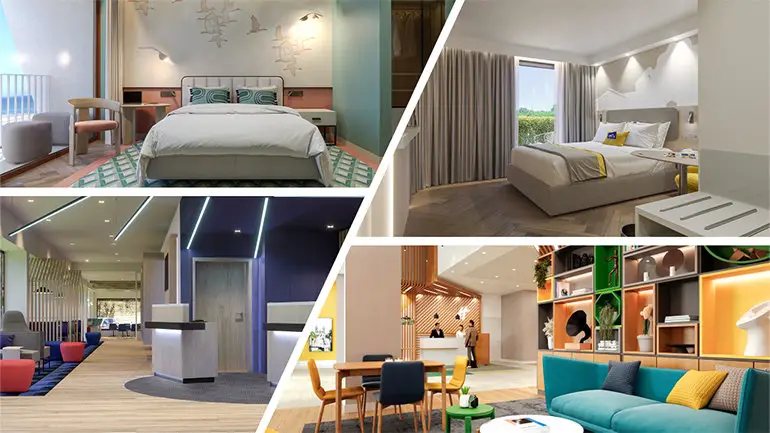
Luggage and streets. Historic centers mean hills and polished paving stones. Encourage soft-sided luggage and grippy soles. Many city hotels sit inside pedestrian zones; check access instructions in advance.
Local transport. Lisbon and Porto both run reliable metro, tram, and bus networks backed by reloadable transit cards. Taxis and ride apps are plentiful in cities. Intercity rail is comfortable, with reserved seats on long segments and simple station layouts. Coaches fill in coastal and inland gaps. If you drive, expect electronic tolls on major highways and limited street parking in old quarters.
Money. Cards are widely accepted, though small cafés and market stalls may prefer cash. ATMs are common. Tipping is modest and discretionary.
Dining rhythm. Lunch can run long and late. Dinner hours vary by region; coastal areas skew later in midsummer. For travelers who prefer earlier dining, book tables or target restaurants in business districts and markets.
Language. English is commonly spoken in hospitality venues, but a few words of Portuguese are appreciated. Signage is clear on main routes and in stations.
Safety and etiquette. Portugal is an easy country for first-time Europe travelers. Normal urban awareness applies. In churches and historic sites, modest dress and quiet voices go a long way.
Connectivity. Wi-Fi is widespread in hotels and cafés. An eSIM or local SIM helps with map apps and rail updates. Keep offline maps for rural stretches and islands.
Accessibility. Those sensitive to stairs and uneven surfaces should plan for extra time in older districts. Many sights provide alternative entrances or lifts; check site notes when scheduling guided visits.

Sample outlines you can lift and adapt
4 nights – Cities and river
Lisbon 2 nights for a jet lag buffer and viewpoints, then rail to Porto 2 nights for blue tiles and a half-day Douro ride. Add a stop in Aveiro if you want a light coastal note between cities.
7 nights – Coast and cloisters
Lisbon 3 nights with a Cascais afternoon, drive or bus to Alcobaça and Batalha en route to Coimbra for 1 night, then Porto 3 nights with a Douro day trip. This keeps transfers short while sampling both coast and interior.
10 nights – Algarve plus northbound spine
Lisbon 3, Algarve 3 based in Lagos or Tavira, then fly or rail north for Porto 3, finishing with a flexible night where weather looks best. This balances beach days with urban evenings.
A planning note to close
Portugal rewards simple structures and light luggage. Pick one spine, decide where you want sea air or stone-and-shadow detours, and hold a little space for weather and whim. With that approach, your travelers get the country’s greatest hits with time left for the small, local moments that make a trip memorable.