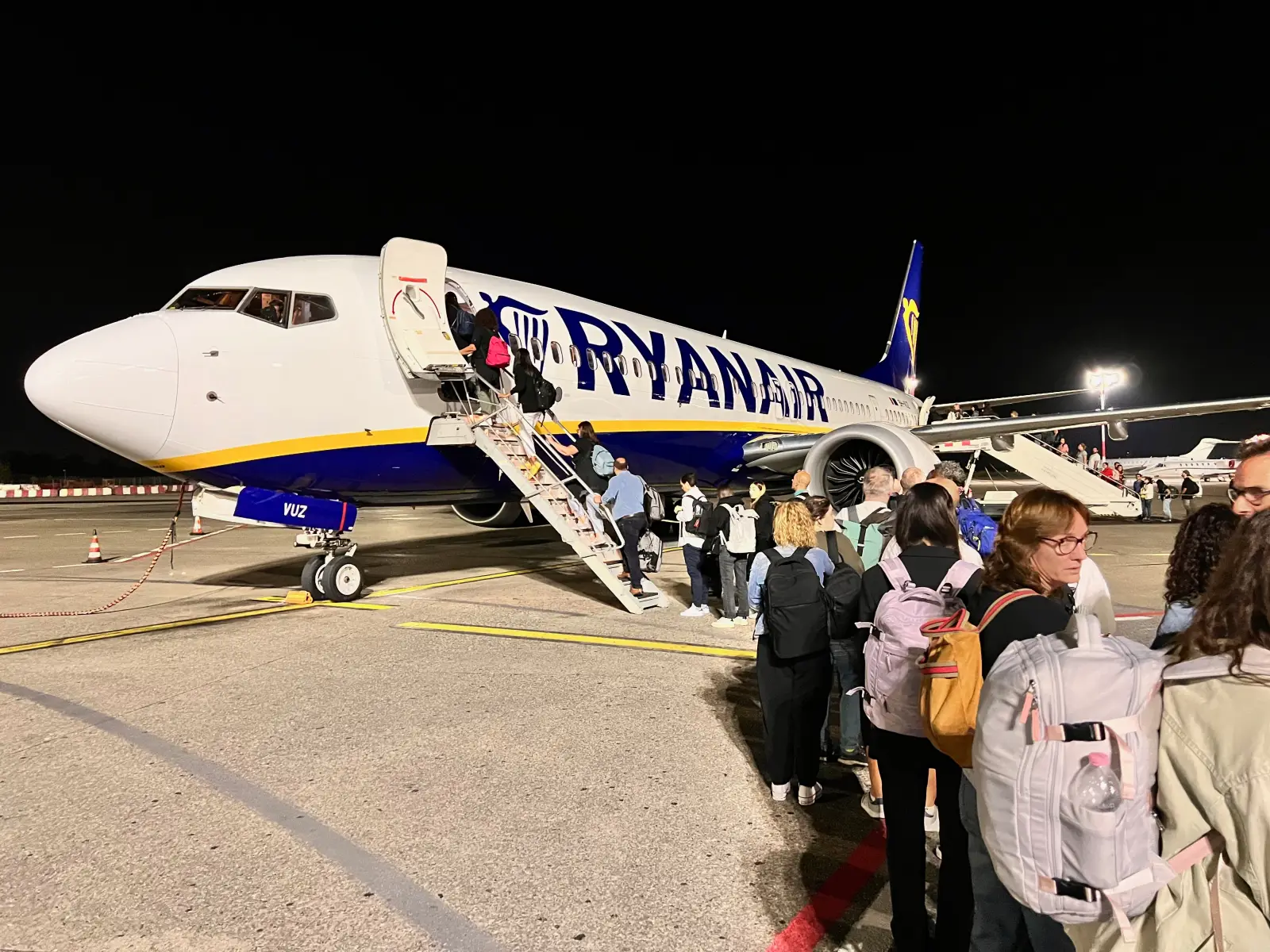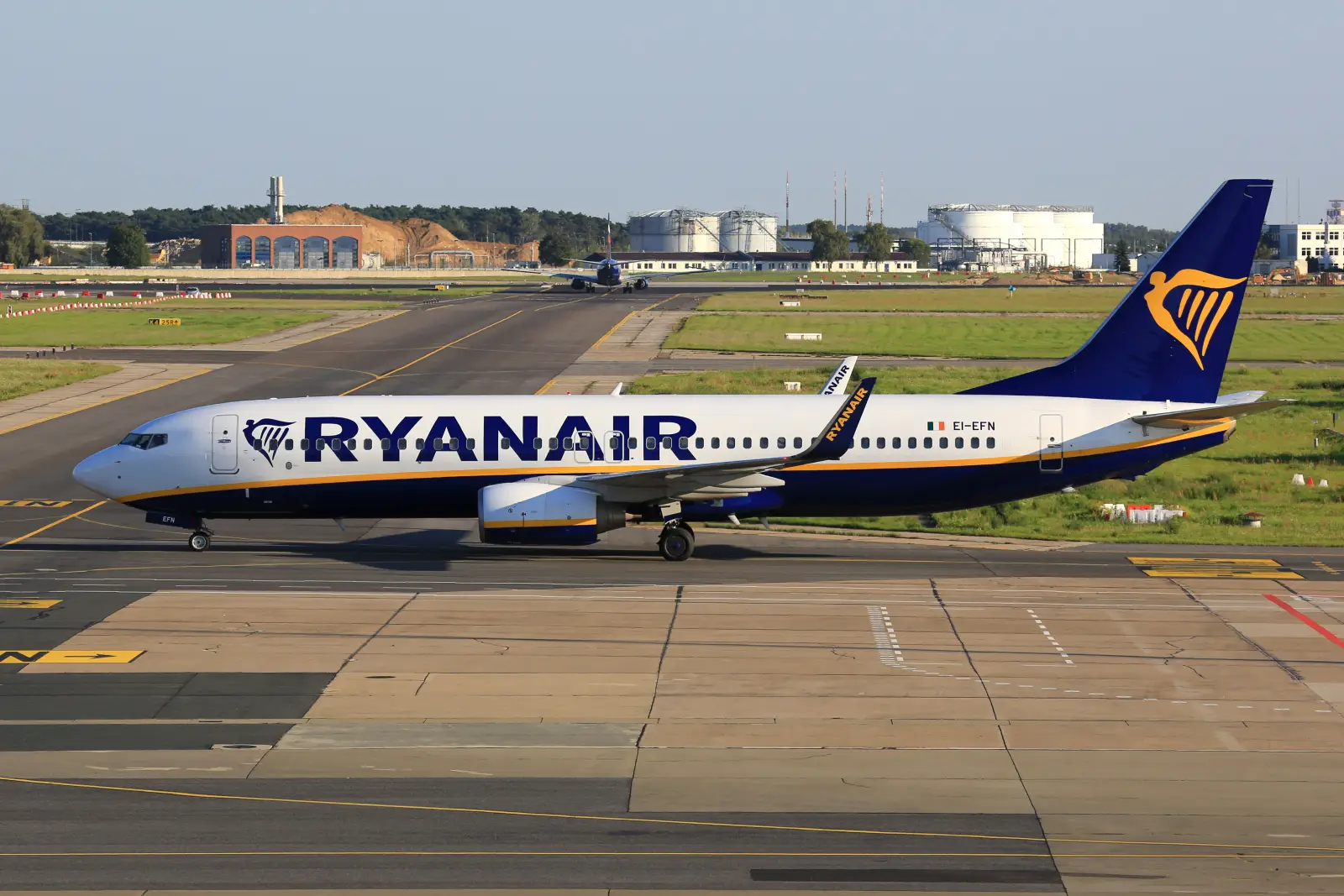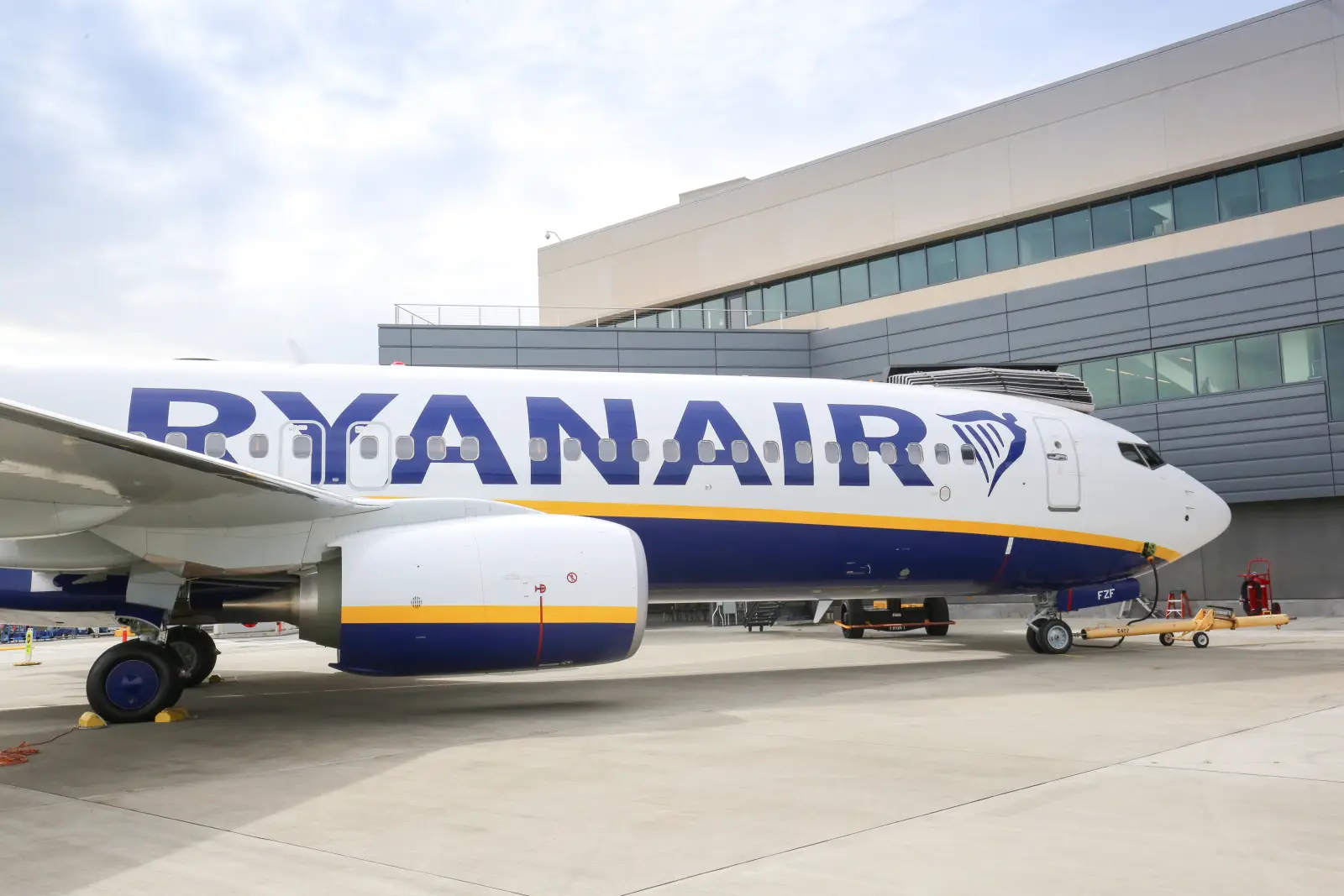
Ryanair has repaid its last €1.2 billion bond, making the Irish low-cost carrier effectively debt-free for the first time since it floated on the stock market in 1997. The repayment was completed on 25 May 2026.
The bond was originally raised during the Covid-19 pandemic, when the global aviation industry faced unprecedented disruption including border closures, grounded fleets, and a near-total collapse of passenger demand. Ryanair, along with most of its peers, borrowed heavily at the time to survive the crisis. Unlike many rivals, the airline has now fully cleared those obligations.
Ryanair Group CFO Neil Sorahan described the occasion as a historic milestone. “Today is a historic day for Ryanair as our Group, following repayment of our final €1.2bn bond, is now effectively debt free,” he said. “Our fortress balance sheet is underpinned by an unencumbered B737 fleet of 620 aircraft, solid ratings (BBB+) from both Fitch Ratings and S&P and strong liquidity. This financial strength further widens the cost gap between Ryanair and our competitors, many of whom are exposed to expensive long-term debt and aircraft leases.”
The airline now holds net cash of €2.1 billion and gross cash of €3.6 billion as of 31 March 2026. Ryanair carried 208 million passengers in its fiscal year 2026, a record figure, and reported a record profit after tax of €2.26 billion, up 40% on the previous year. Those strong results allowed the airline to accelerate the bond repayment.
The fleet of 620 Boeing 737 aircraft is described by the company as “unencumbered,” meaning the aircraft are owned outright and not pledged as collateral against loans or lease agreements. This is significant in an industry where leasing is the dominant model for fleet financing. Major European rivals including IAG, Lufthansa, and Air France-KLM have reduced pandemic-era debt but none has eliminated it entirely.
Ryanair CEO Michael O’Leary has long argued that the airline’s ultra-low cost model and owned fleet give it structural advantages that compound over time. The debt-free status extends that logic: without interest payments, the airline has more flexibility to price competitively and absorb cost pressures such as higher fuel prices and economic uncertainty.
The announcement comes as Ryanair also flagged some near-term caution in its financial outlook. The company warned that first-quarter fares for fiscal 2027 would trail last year’s levels by a mid-single-digit percentage, citing late booking trends, rising fuel costs, and the effects of ongoing conflict in the Middle East on European travel demand. Second-quarter pricing was described as “trending broadly flat,” with the outcome dependent on late summer bookings.
Despite that caution, Ryanair said it expects to carry around 216 million passengers in fiscal 2027, a 4% increase on the current year. Looking further ahead, the airline targets growth to 300 million passengers annually by fiscal year 2034, funded from internal cash generation.
A key part of that expansion plan involves the Boeing 737 MAX 10, whose certification by aviation authorities is expected in late summer 2026, with the first 15 aircraft targeted for delivery in spring 2027. From 2029 onwards, Ryanair plans to take up to 50 MAX 10 deliveries per year. Sorahan said the airline intends to “opportunistically” return to the bond markets at some point in the future to help finance that fleet expansion, but on its own terms and from a position of strength.
During fiscal 2026, Ryanair also continued an active capital return programme, buying back approximately 21 million shares at a cost of €536 million, and declaring a final dividend of €0.195 per share, subject to shareholder approval at its annual general meeting. Since 2008, the airline has retired almost 36% of its total issued share capital through buybacks.
For passengers across Europe, the practical implications are indirect but meaningful. Airlines carrying heavy debt loads face higher financing costs that can eventually flow through into fares, route cuts, or reduced resilience during economic downturns. Ryanair argues that by eliminating those costs, it can continue growing its network while keeping ticket prices lower than rivals, particularly as competitors grapple with aircraft lease commitments and lingering pandemic-era liabilities.
The debt-free milestone also draws a line under one of the most turbulent periods in aviation history, underscoring how differently individual carriers have emerged from the pandemic depending on their financial models. For Ryanair, the message is that the low-cost, asset-heavy ownership model has validated itself, and the airline intends to press that advantage further.