Here’s the trap most fans fall into when they plan a trip to the 2026 World Cup: they look at the map, see 16 host cities across three countries, and try to catch a little of everything. Then they spend half the tournament in airport security lines and the other half jet-lagged in a rental car.
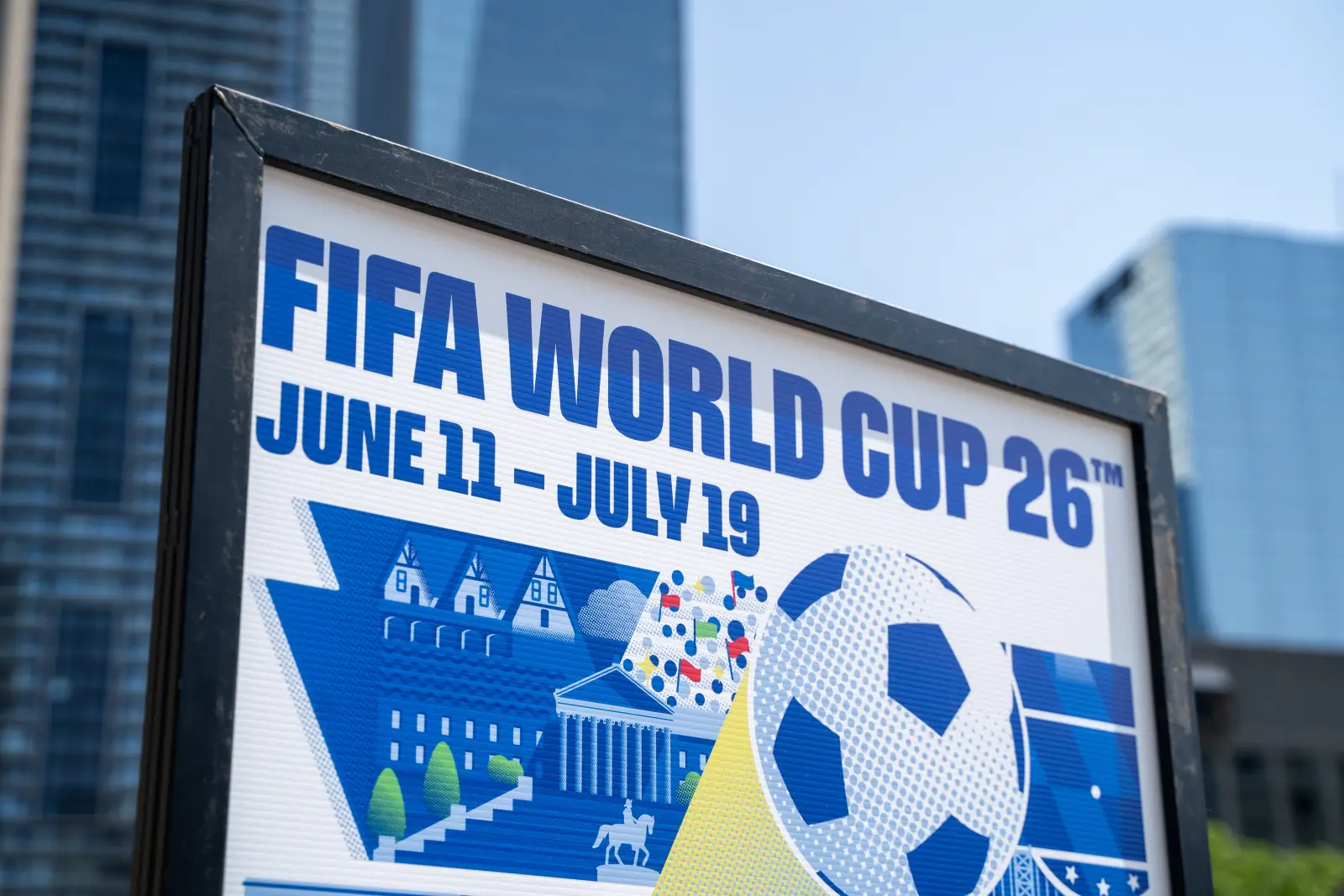
This World Cup is built differently from any before it. It runs from June 11 to July 19, 2026, with 48 teams playing 104 matches across the United States, Mexico, and Canada. That’s 40 more matches than Qatar 2022 and the first time three nations have shared hosting duties. The opportunity is huge. So is the chance to wreck your trip by chasing it.
The good news? FIFA more or less drew the smart route for you. The 16 cities are grouped into three regional clusters, and if you build your trip around one of them, you can see a genuinely interesting slate of matches with short hops instead of red-eye flights. Below is how to do that.
Why You Should Pick a Cluster, Not a Country
The host cities span three time zones and three sets of border rules. Crossing between the US, Mexico, and Canada means separate entry requirements for each, so a route that zigzags across borders will eat days you’d rather spend at the stadium.
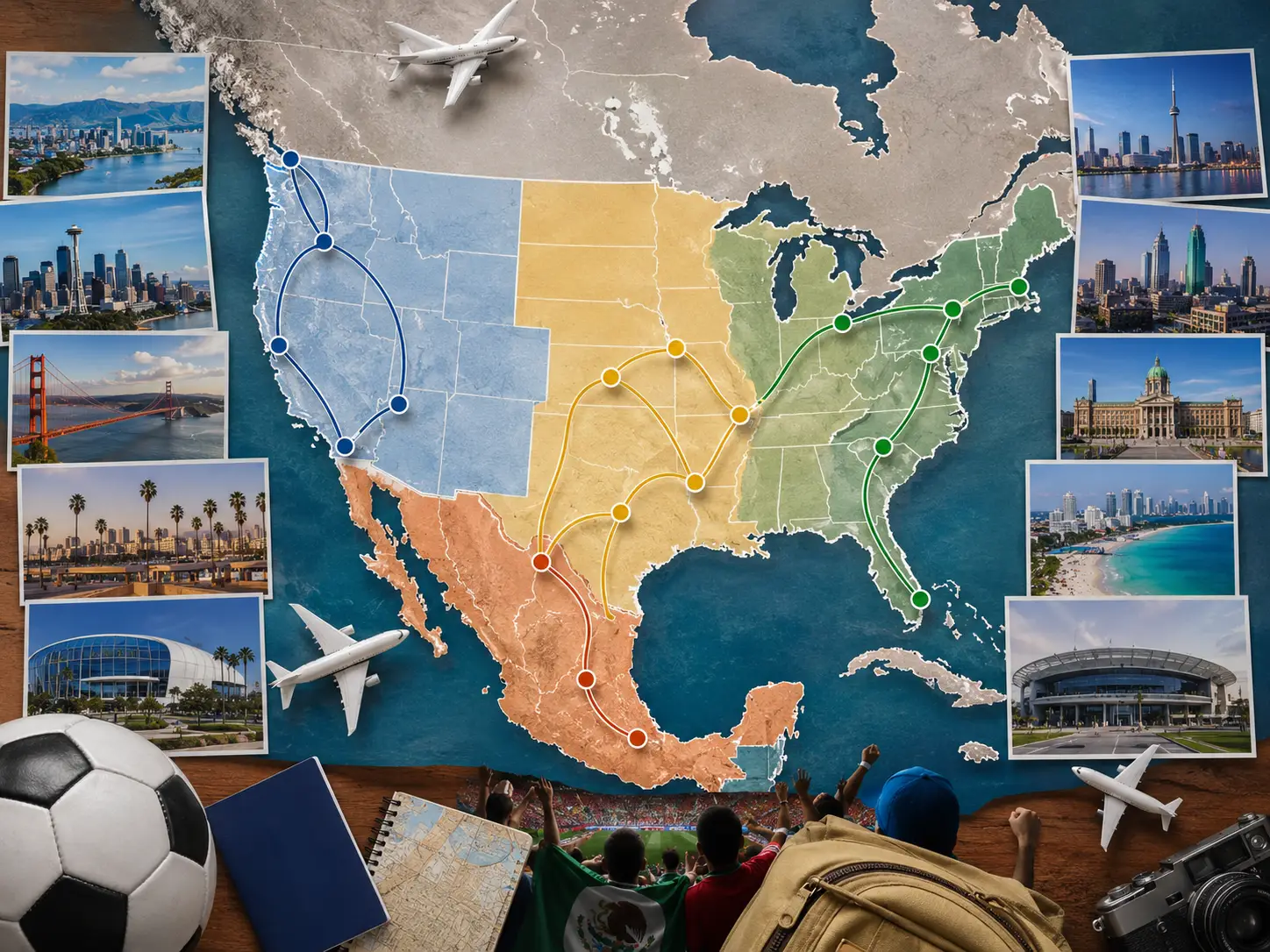
FIFA split the tournament into three regions to cut down travel for teams, and the same logic works beautifully for fans:
- West: Vancouver, Seattle, San Francisco Bay Area (Santa Clara), Los Angeles, and Guadalajara
- Central: Mexico City, Monterrey, Houston, Dallas, Kansas City, and Atlanta
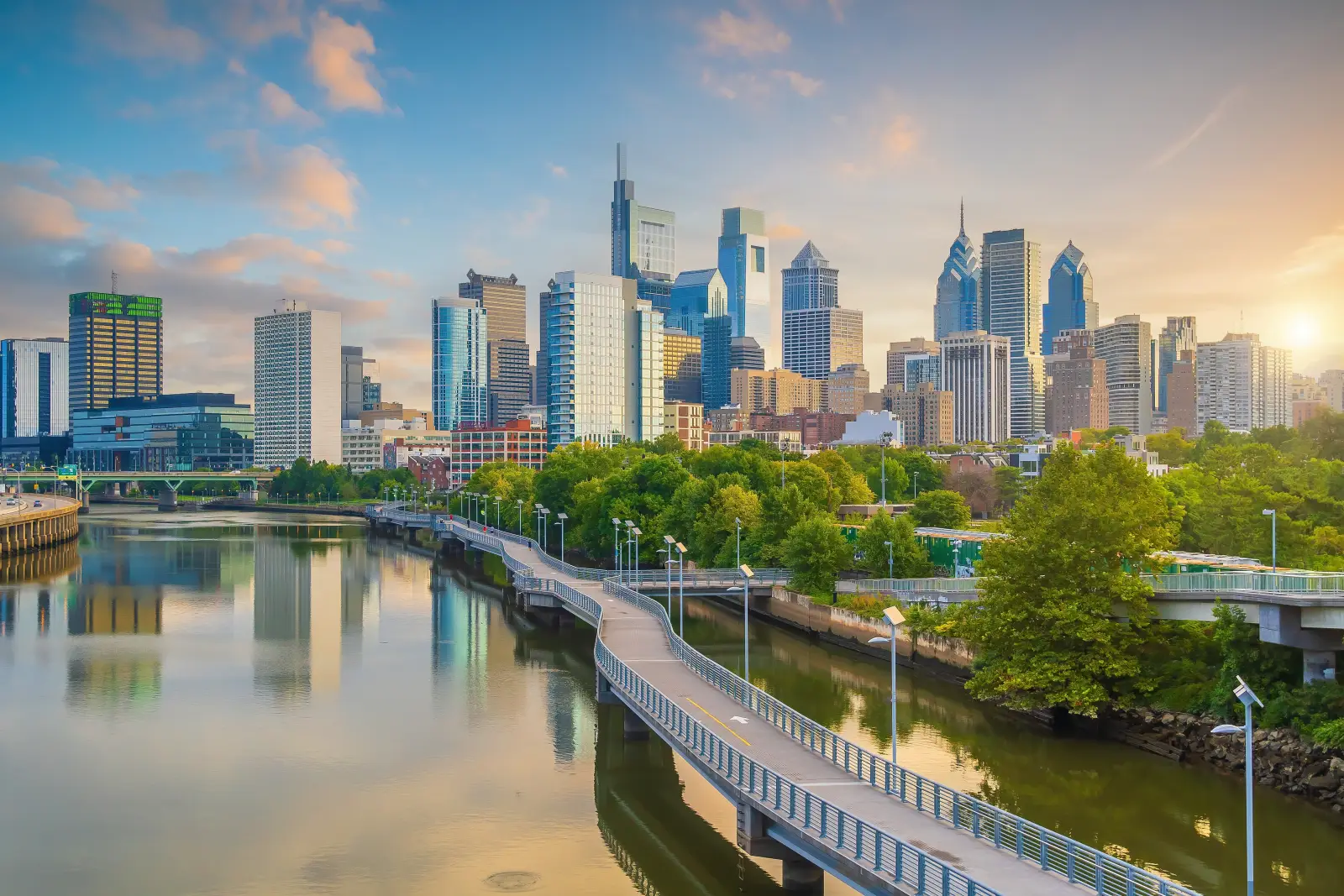
- East: New York/New Jersey, Toronto, Boston, Philadelphia, and Miami
Each cluster has its own personality. The West is a relaxed coastal run with short drives along the I-5 corridor. The Central corridor holds the most drama, including the opening match and both semifinals. The East is where the tournament ends, with the final and the third-place match. Pick the one that matches what you actually want to see, then go deep.
One more planning note before the routes. A lot of travelers like to have a small stake riding on the group-stage chaos, and the cross-border setup makes that surprisingly annoying with cash; you’re juggling dollars, pesos, and Canadian dollars all at once. That’s part of why a lot of traveling fans now run their match-day bets through the sports lobby at BetFury, where everything settles in one crypto wallet no matter which border you crossed that morning. It carries odds on every 2026 World Cup fixture, plus other major events, and the prices tend to be sharper than most crypto books. (Standard advice applies: only wager what you can afford to lose, and check that betting is legal where you are.)
Route 1: The West Coast Run (Group Stage, Minimal Effort)
If your priority is a low-stress trip with the best weather, the West cluster is hard to beat. The Pacific cities sit close enough that you can drive or take a one-hour flight between most of them.
Suggested path: Vancouver → Seattle → San Francisco Bay Area → Los Angeles
This is the cluster for Team USA’s opening run; the US plays its first match in Los Angeles on June 12 and later heads to Seattle. Canada opens at home, with matches in Toronto and Vancouver, so Vancouver gives you a host-nation crowd to start. Los Angeles is the anchor here. SoFi Stadium (branded “Los Angeles Stadium” for the tournament) hosts eight matches, including knockout games, and the city has confirmed ten official fan zones, including Venice Beach.
Why it works:
- Short travel legs, mild June temperatures on the coast, and no border crossing if you skip Vancouver
- LA and the Bay Area both host deep into the knockout rounds, so you can stay west and still see high-stakes football
If you want a taste of Mexico without the long haul, Guadalajara is technically in the West region, though it’s a real flight south. Worth it for one match, not for daily hopping.
Route 2: The Central Corridor (Where the Big Moments Live)
This is the route for fans who want history. The tournament kicks off here on June 11 with Mexico vs. South Africa at Estadio Azteca in Mexico City, the first stadium ever to host three men’s World Cups. Both semifinals land in this cluster too: Dallas (AT&T Stadium, the tournament’s largest at around 94,000 seats) on July 14, and Atlanta on July 15.
Suggested path: Mexico City → Monterrey → Houston → Dallas → Kansas City → Atlanta
A realistic version of this trip splits in two. Catch the opening spectacle in Mexico City in mid-June, then either stay south for Monterrey and Guadalajara group games, or fly up to the Texas-to-Atlanta stretch for the back half and the semifinals in July. These headline fixtures are also the ones the books build their offers around; the boosted World Cup markets tend to cluster on exactly these matches, so it’s worth checking the lines before the semifinals rather than after.
One honest warning: heat. Mexico City, Monterrey, Houston, Dallas, and Kansas City all run hot and humid in summer. Day matches in open-air or partial-roof venues can be brutal, so favor evening kickoffs, pack accordingly, and hydrate like it’s your job.
Quick tip: AT&T Stadium and Mercedes-Benz Stadium (rebranded “Atlanta Stadium”) both have roofs, which makes them far more comfortable than the open-air Texas venues in July. If you’re heat-sensitive, prioritize those.
Route 3: The Eastern Arc (The Knockout Finish)
Want to be there when it ends? The East is your cluster. The final is at MetLife Stadium in East Rutherford, New Jersey (listed as “New York New Jersey Stadium”) on July 19, and Miami hosts the third-place match. This region rewards fans who join late and chase the dense knockout schedule.
Suggested path: Miami → Philadelphia → New York/New Jersey → Boston → Toronto
The Northeast cities are tightly packed; Boston, New York, and Philadelphia are an easy train ride apart on Amtrak’s Acela line, which beats flying once you factor in airport time. Toronto is the outlier, requiring a flight and a border crossing, but it’s hosting World Cup football for the first time ever and the atmosphere should be worth it.
If your dream is the final itself, build everything around July 19 and work backward, picking up Round of 16 and quarterfinal matches in the days before. Just be ready for the prices.
A Few Things Nobody Tells You Until It’s Too Late
Tickets aren’t fixed-price. FIFA uses dynamic pricing, so costs move with demand. As of late May 2026, group-stage tickets generally start around $75 to $200, while final tickets can climb into the thousands. There’s also a Category 4 “supporter entry tier” at roughly $60, but it’s limited to residents of the US, Canada, and Mexico through their national federations, in small batches per match.
Book lodging before tickets, not after. Hotel inventory in host cities is tightening fast. Lock a refundable room early and adjust once you know which matches you’ve got.
Match the cluster to the calendar. Group stage runs June 11 to 27, which is the West and Central sweet spot. The knockouts deepen as the tournament shifts east. If you only have one week, decide whether you want group-stage variety or knockout intensity, because you can’t have both without serious flying.
Time zones matter for your own sanity. Kickoffs are listed in local stadium time across several zones. Keep the local time and your home time side by side so you don’t book a connection that lands an hour after kickoff.
If you’re the type who plans whole trips around live sport, the World Cup isn’t the only thing worth booking flights for in 2026. Several of these same host cities double as winter-sports towns, and there’s a strong case for a separate trip built around where to catch the year’s best ice hockey games once the football wraps up.