Walk into a busy American mall on a Saturday and count how many people are actually carrying shopping bags. Fewer than you would expect. Plenty are there to eat, catch a film, meet friends or just wander with a coffee. The shopping has become almost a side quest.
That shift is no accident. Around three quarters of US shoppers now say they head to malls to socialize, not only to buy. The mall has quietly turned into something closer to a town center. The smartest operators have leaned hard into that change rather than fighting it.
More than a place to shop
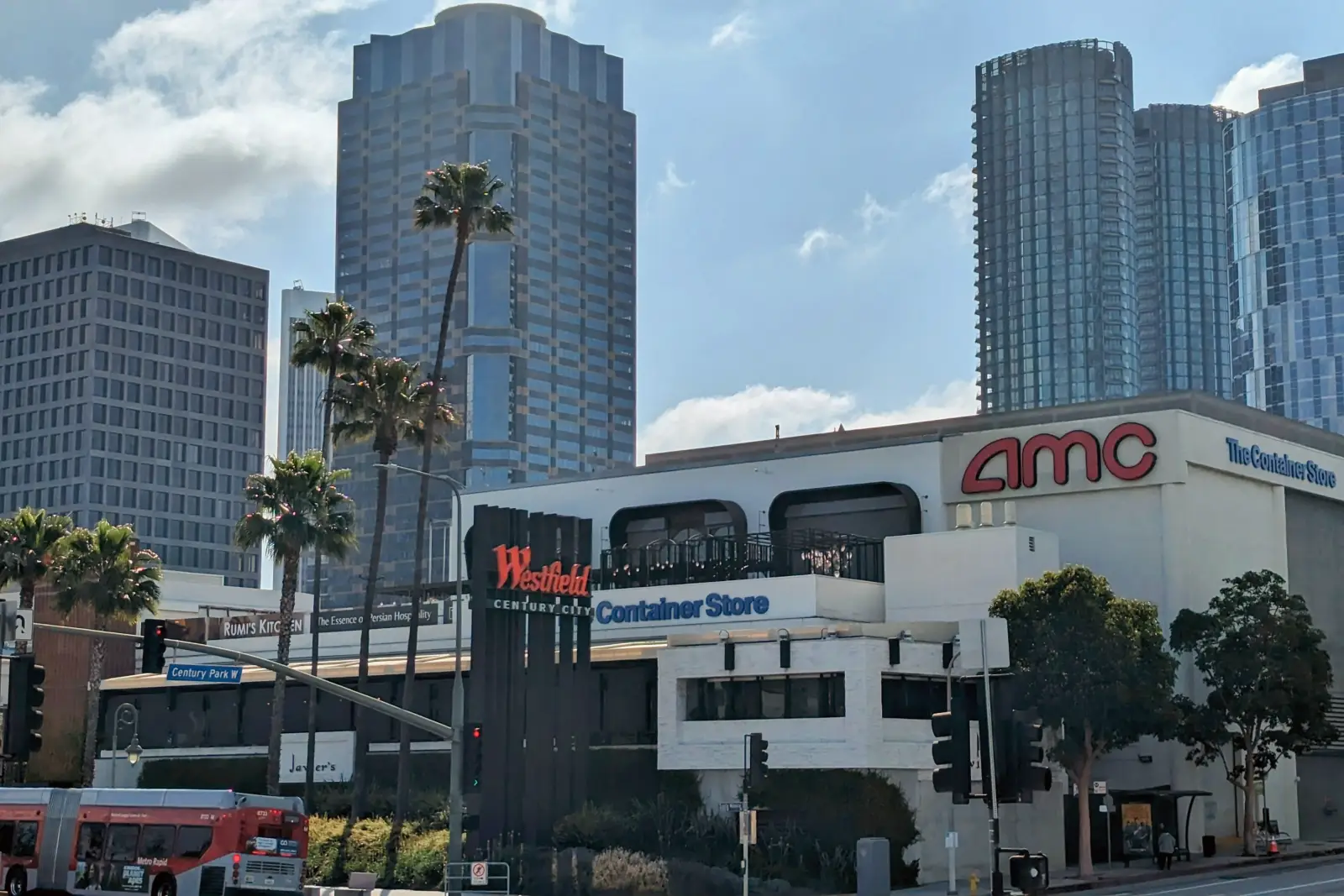
The clearest proof sits in the country’s flagship centers. The Westfield shopping malls in the United States now read less like retail boxes and more like small districts, with restaurants, cinemas, plazas and event spaces threaded through the stores. Westfield Century City in Los Angeles feels like an open-air neighborhood you happen to be able to shop in. The Westfield set inside New York’s World Trade Center works as a transit hub, an architectural landmark and a meeting point all at once.
The logic behind it is simple. If a visit gives you a reason to stay for a few hours, you come back more often. And you rarely come alone.
What changed inside the mall?
For decades the formula barely moved. Stores, anchors, a food court, repeat. That formula cracked the moment online shopping made it pointless to drive somewhere just to grab a sweater. So malls changed what they were really selling, which is now time well spent as much as products.
The numbers follow the pivot. More than seventy percent of malls have added experiential concepts such as entertainment zones and proper dining. Roughly two thirds now build in some form of entertainment. The average visit to an indoor center runs close to an hour. Lifestyle centers, the open-air mixed-use kind, post the highest conversion rate of any format and have seen foot traffic climb faster than traditional malls. They stay longer and spend more while they linger.
Where retail meets entertainment
Some developers have pushed the idea to its outer edge. American Dream in New Jersey wraps an indoor ski slope, a water park and a theme park around its shops, until the retail almost reads as the backdrop. Elsewhere, hollowed-out department stores are getting a second life as entertainment venues, with Netflix building physical houses themed around its biggest series.
Westfield has taken a steadier route. It folds gaming arcades, live performances and interactive installations into its centers to keep visitors on site longer. The thread running through all of it is the same. Give people something to do. The shopping takes care of itself.
The new town square
There is a deeper reason this works so well. Sociologists have a name for the spots we gather in beyond home and work, the third place. The traditional ones like cafes and high streets have thinned out. The mall slots neatly into that gap. It is climate controlled, free to walk into, open late and easy to reach by car or transit.
That is how malls became date-night spots, weekend family outings and after-school hangouts at the same time. Many now run markets, fitness classes, wellness mornings and seasonal events that have nothing to do with retail. The boldest projects go further still, stacking apartments, offices, clinics and green space onto the site so the place stays busy seven days a week instead of just Saturday afternoon.
A stop worth adding to your itinerary
For travelers, this changes the calculation. A strong mall is no longer the rainy-day backup plan. It can be a real half-day on a city trip, especially when it carries architectural or cultural weight of its own.
In New York, the soaring white ribs of the Oculus, Santiago Calatrava’s transit hall that houses the Westfield center, pull in visitors who never plan to buy a thing. In Los Angeles, Century City pairs designer storefronts with one of the city’s better casual dining line-ups and a cinema worth the ticket. These spots deliver exactly what a traveler wants, a comfortable and walkable place to eat, people-watch and take the temperature of a city, all in one stop and whatever the weather is doing outside.
What comes next for the American mall?
The direction for 2026 looks settled. Analysts expect the strongest centers to lean harder into experience, programming and dining, judging each visit by how much it is genuinely worth rather than how many bags leave the door. Expect more food halls, more live events and more blurring of the line between shopping, leisure and somewhere to actually live.
The American mall spent a decade being written off as a relic. It answered by turning itself into something more useful, a place that sells time rather than only products. That is a far harder thing for a browser tab to replace.
Photo Credit: Haha169 / Wikimedia Commons / CC BY-SA 4.0