Oil prices have fallen sharply after the United States and Iran signed an agreement to end their conflict and reopen the Strait of Hormuz, offering European and global airlines the first real prospect of relief from months of soaring jet fuel costs. The deal does not mean an immediate drop in fares, but it has shifted the outlook for an industry that has spent 2026 absorbing a sharp rise in fuel expenses.
Brent crude closed down 4.7 percent at 83.17 US dollars a barrel on 15 June 2026, while US crude fell 4.8 percent to 80.75 US dollars, both benchmarks hitting their lowest levels since early March. Heating oil, widely used as a proxy for jet fuel pricing, declined by more than 3.5 percent on the same day, as traders priced in the prospect of Gulf oil supply returning to global markets.
A Deal Months in the Making
The United States and Iran signed a memorandum of understanding on 17 June 2026 to end the conflict that had disrupted Gulf shipping since February. The agreement commits to the toll-free reopening of the Strait of Hormuz for at least 60 days, the lifting of the US naval blockade of Iranian ports, and a 30-day window for Iran to restore traffic through the strait to pre-war levels. A formal signing covering mine clearance was scheduled for 19 June 2026 in Switzerland, alongside 60 days of follow-on nuclear talks.
Before the conflict, roughly 20 percent of global oil production passed through the Strait of Hormuz. The waterway had been effectively closed since late February, contributing to what the International Energy Agency described as one of the largest supply disruptions in the history of the global oil market.
Tankers Begin Moving, but Slowly
Shipping data shows the reopening is already under way. At least seven vessels transited the strait on 18 June 2026, according to tracking firm Marine Traffic, including four supertankers carrying a combined 8 million barrels of crude, among them the first Saudi-owned tankers to make the journey since the war began. Qatari LNG cargoes have also resumed moving through the waterway.
Despite the progress, shipping executives and analysts caution that a full return to normal flows will take time. Goldman Sachs estimated that Gulf oil flows had already climbed to 11 million barrels a day following the announcement, and the bank lowered its Brent forecast to 80 US dollars a barrel for the fourth quarter of 2026, down from 90 US dollars previously, with a 2027 average forecast of 75 US dollars. Industry figures have warned that clearing the backlog of stranded tankers could take 10 to 15 days on its own, while a full normalisation of insurance premiums, naval checks and shipping confidence could take considerably longer.
What This Means for Jet Fuel and Fares
The easing of oil prices is a meaningful shift for an airline industry that had been bracing for a difficult year on fuel costs. The International Air Transport Association’s pre-deal outlook for 2026 had pointed to average jet fuel prices rising 70 percent year on year, adding an estimated 100 billion US dollars to airlines’ collective fuel bill and cutting industry net profits from 45 billion US dollars in 2025 to 23 billion US dollars in 2026.
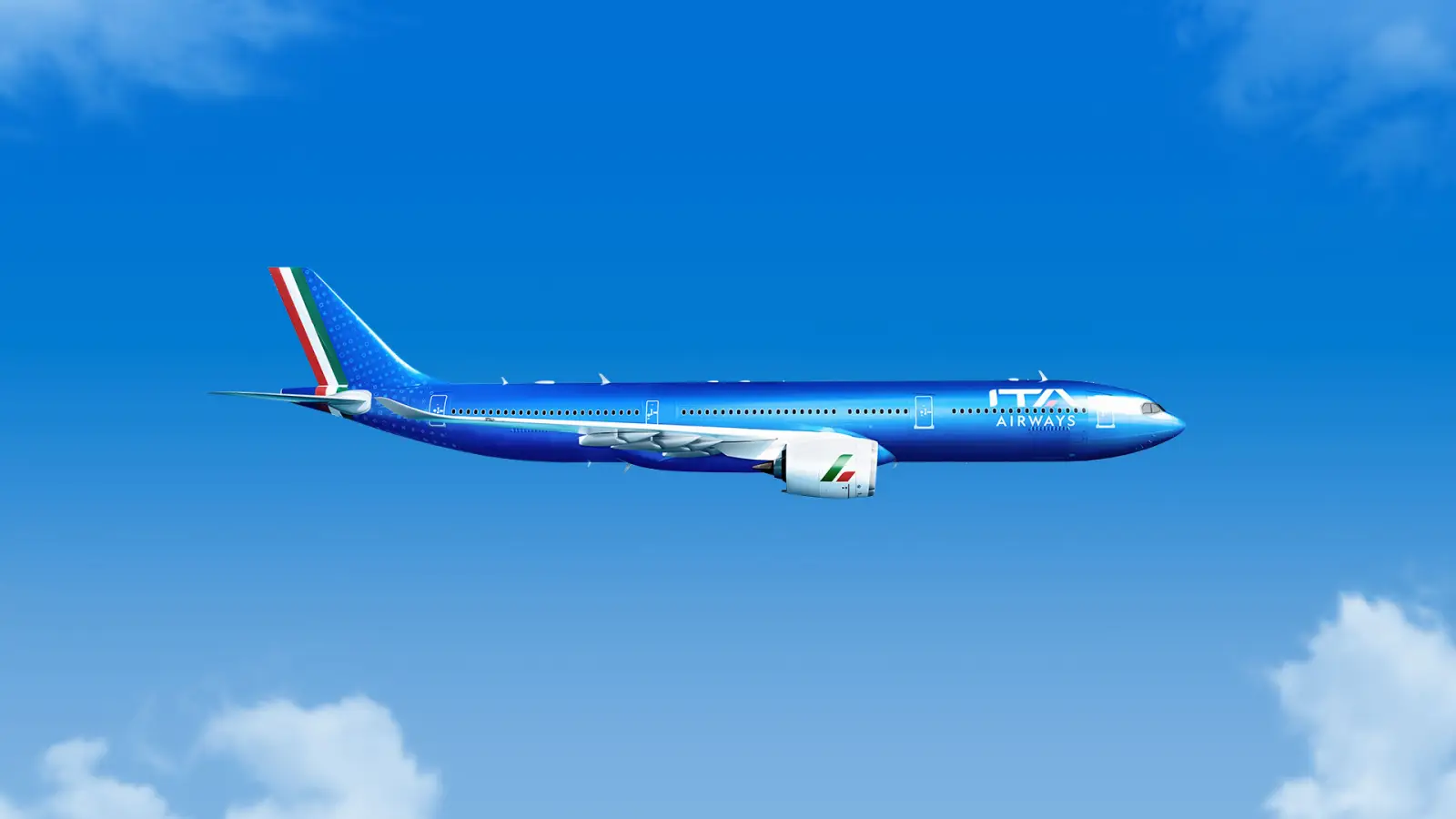
Airline stocks have responded positively to the news, with the US Global Jets exchange traded fund nearing a new high for the year as investors priced in lower fuel costs ahead. Carriers that had already secured strong fuel hedges, such as ITA Airways, which locked in around 80 percent of its 2026 fuel needs and had limited its summer fare increases to between 5 and 10 percent, are particularly well placed to benefit if wholesale prices continue to ease. ITA Airways chief executive Joerg Eberhart had previously said oil markets could take at least six months to stabilise even after a ceasefire, a timeline that now looks broadly consistent with the post-deal outlook from shipping and energy analysts.
Analysts caution that the link between a diplomatic agreement and cheaper jet fuel at the pump is not immediate. Jet fuel is a physical, spot-traded commodity, and even with the Strait of Hormuz reopening, refineries, shipping routes and storage networks need time to normalise. In the United States, average gasoline prices have already eased from a May peak of roughly 4.56 US dollars a gallon to about 4.07 US dollars, according to AAA, but that remains over a dollar higher than pre-war levels, illustrating how gradually the relief is likely to filter through to broader fuel markets, including aviation fuel.
A Cautious Recovery Ahead
For airlines that spent the early summer absorbing costs, hedging aggressively or testing new pricing mechanisms, the Iran agreement offers the clearest signal yet that the worst of the fuel shock may be easing. Ryanair, which had covered about 80 percent of its summer fuel needs in advance, and Air France-KLM, which had leaned on scale and diversification rather than a single pricing strategy, are among the carriers whose hedging positions could look increasingly favourable if oil prices continue to soften through the rest of 2026.
At the same time, the International Air Transport Association’s broader caution from earlier in June, that the fuel situation remains under control but the balance could shift again, still applies. With mine clearance, insurance normalisation and the rebuilding of Gulf production capacity all still under way, airlines and travellers are likely to see fuel costs ease gradually over the second half of 2026 rather than reverse overnight.