Tourism on Iran’s Hormuz Island has declined sharply as more than two months of conflict involving the United States and Israel continues to disrupt shipping and security conditions in the Strait of Hormuz, one of the world’s most important maritime routes. The downturn is affecting guesthouses, tour operators, cafés and other small businesses on the island as regional instability spreads beyond energy and freight markets into local tourism economies.
France 24 reported that residents on the island are remaining despite mounting uncertainty, while other reports describe worsening economic pressure tied to reduced maritime activity and falling visitor numbers. The conflict has already disrupted commercial shipping through the strait, increased insurance costs for vessels and raised concerns across travel and transport industries in the Gulf region.
Tourism businesses face growing economic strain
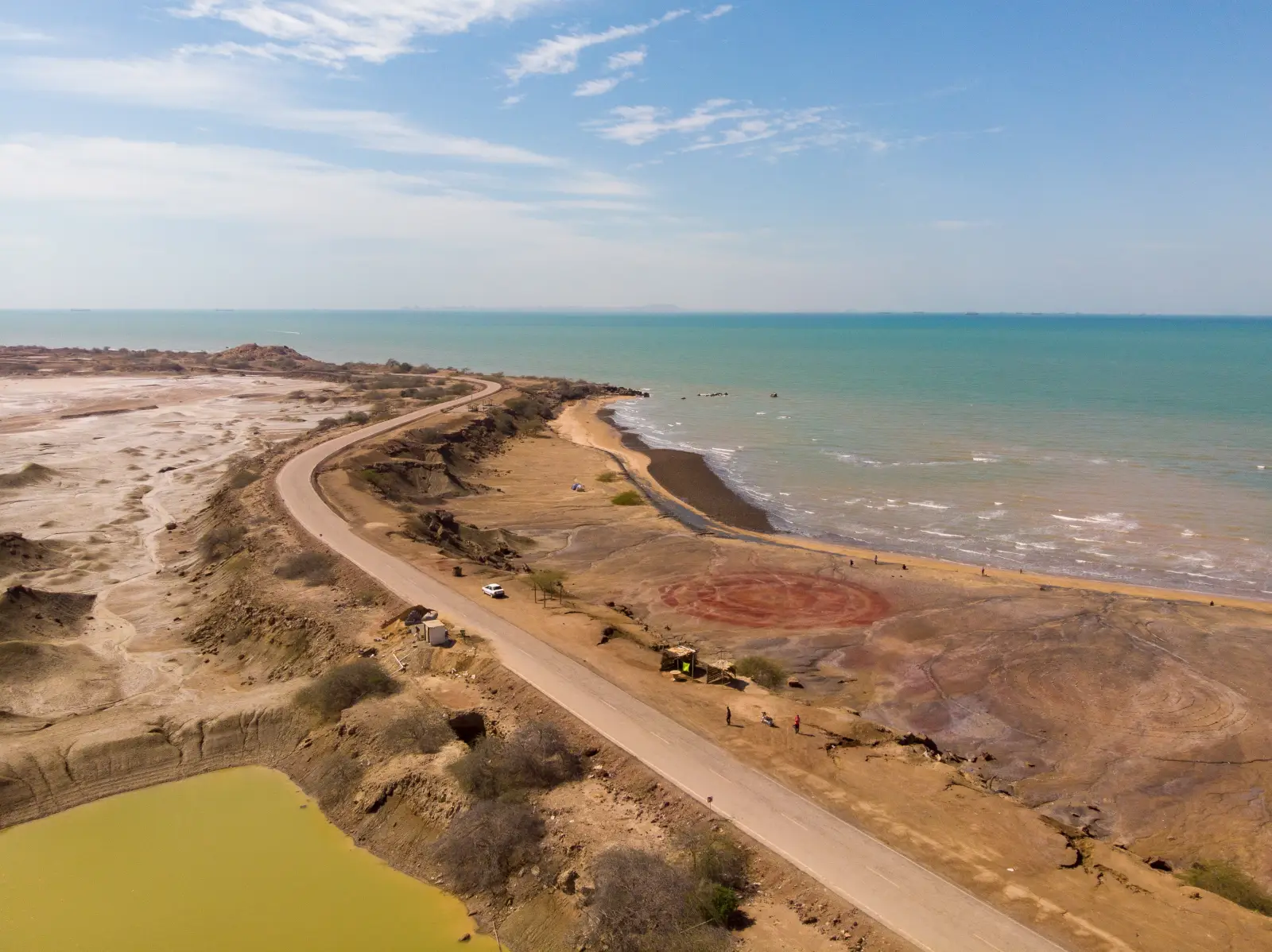
Hormuz Island, located off Iran’s southern coast near the entrance to the Persian Gulf, has become known in recent years for its volcanic landscapes, red mineral-rich beaches and growing domestic tourism sector. Local businesses have increasingly depended on visitors travelling to the island for eco-tourism, cultural tourism and short-stay holidays.
That activity has weakened significantly since tensions escalated in and around the Strait of Hormuz earlier this year. Maritime security concerns and uncertainty surrounding the conflict have discouraged travel to the area and disrupted ferry and shipping operations linked to the island.
France 24 said residents remain “anchored” on the island despite the uncertainty surrounding the conflict. The broadcaster reported that tourism is among several sectors now facing economic fallout from the wider regional crisis.
Spanish newspaper El País reported that some island residents have started leaving because economic activity linked to tourism and fishing has slowed sharply. The publication described conditions on the island as increasingly difficult as the disruption to maritime traffic continues.
The Strait of Hormuz handles roughly one fifth of global oil shipments and remains one of the world’s most strategically important maritime chokepoints. Security threats in the area have historically affected freight prices, shipping insurance and regional trade flows, but analysts say the current disruption is also exposing the vulnerability of tourism-dependent communities.
Shipping companies operating in the Gulf have already adjusted routes and schedules in response to the conflict. According to Reuters, a CMA CGM container ship was hit while transiting the Strait of Hormuz earlier this month, injuring crew members and intensifying concerns over navigation safety in the region.
Regional travel sector also affected
The impact of the crisis is spreading beyond Hormuz Island as Gulf tourism operators monitor growing instability across maritime and transport networks. Industry observers warn that prolonged insecurity in the Strait of Hormuz could affect cruise itineraries, ferry services and visitor confidence across several Gulf destinations.
Travel advisories and security concerns have also increased pressure on regional tourism investment and hospitality demand. Analysts say destinations not directly involved in the conflict may still experience weaker visitor demand if tensions continue through the summer travel season.
France and Britain are discussing possible international maritime security measures aimed at restoring safe navigation through the Strait of Hormuz once conditions allow. Reuters reported that France has already moved the aircraft carrier Charles de Gaulle into the wider region as part of preparations linked to the crisis.
The economic impact on Hormuz Island highlights how geopolitical tensions in strategic maritime zones can quickly spread into civilian industries such as tourism. As the conflict enters its third month, local businesses on the island face growing uncertainty over how long the downturn will continue and when visitor traffic may begin to recover.
Photo Credit: Roger Paris / Shutterstock.com