The closure of the Strait of Hormuz has forced policymakers in Asia to face questions over the security of other maritime chokepoints, including the Straits of Malacca, which is the world’s busiest waterway for international trade, as reported by Reuters.
The Straits of Malacca is the largest ‘oil transit chokepoint’ in the world
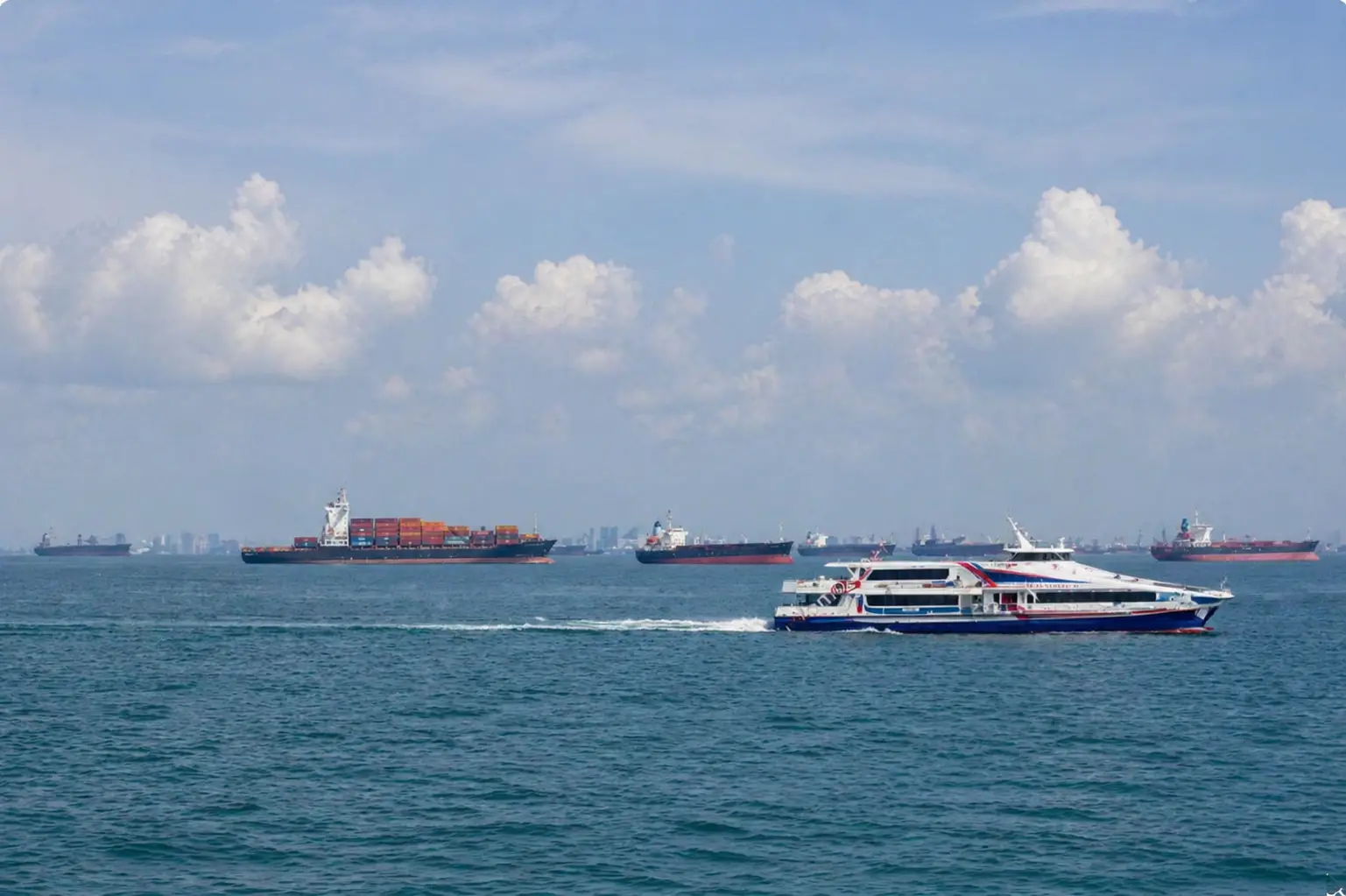
The Straits of Malacca is one of the world’s busiest and most important shipping lanes. It is a vital artery linking the Southeast Asian economy with the rest of the world. It is therefore not surprising that security in the Straits is a matter of great importance internationally.
The 900-km (550-mile) long Strait, bounded by Malaysia, Indonesia, Thailand and Singapore, provides the shortest sea route from East Asia to the Middle East and Europe.
It carries nearly 22% of the world’s maritime trade, according to the Center for Strategic and International Studies. This includes oil and gas shipments from the Middle East to China, Japan and South Korea.
Malacca is the largest “oil transit chokepoint” in the world and the only one that outpaces Hormuz, according to the U.S. Energy Information Administration.
In the first half of 2025, some 23.2 million barrels of oil per day were transported through the Malacca Strait, accounting for 29% of total maritime oil flows. The next largest chokepoint, Hormuz, saw about 20.9 million bpd pass through.
More than 102,500 ships, mostly commercial vessels, transited through the Malacca Strait in 2025, up from around 94,300 in 2024, data from Malaysia’s Marine Department showed. These include most tankers, but some very large vessels avoid the strait because of draught restrictions and go south around Indonesia instead.
This route allows the Straits of Malacca to be bypassed if it were closed, but it adds to journey time which would delay shipments and drive up prices.
Cruise ships also use the Straits for cruising from Singapore to Malaysian destinations of Port Klang, Penang and Langkawi island as well as to Phuket.
Concerns about the Straits of Malacca
At its narrowest point in the Phillips Channel of the Singapore Strait, the Malacca Strait is only 1.7 miles (2.7 km) wide, creating a natural bottleneck, as well as potential for collisions, grounding, or oil spills.
Some parts of the strait are relatively shallow, with a depth of 25-27 metres (82-90 ft), restricting the largest vessels, but even very large crude carriers measuring more than 350 metres long, 60 metres wide, and with a draft of more than 20 metres, make the transit.
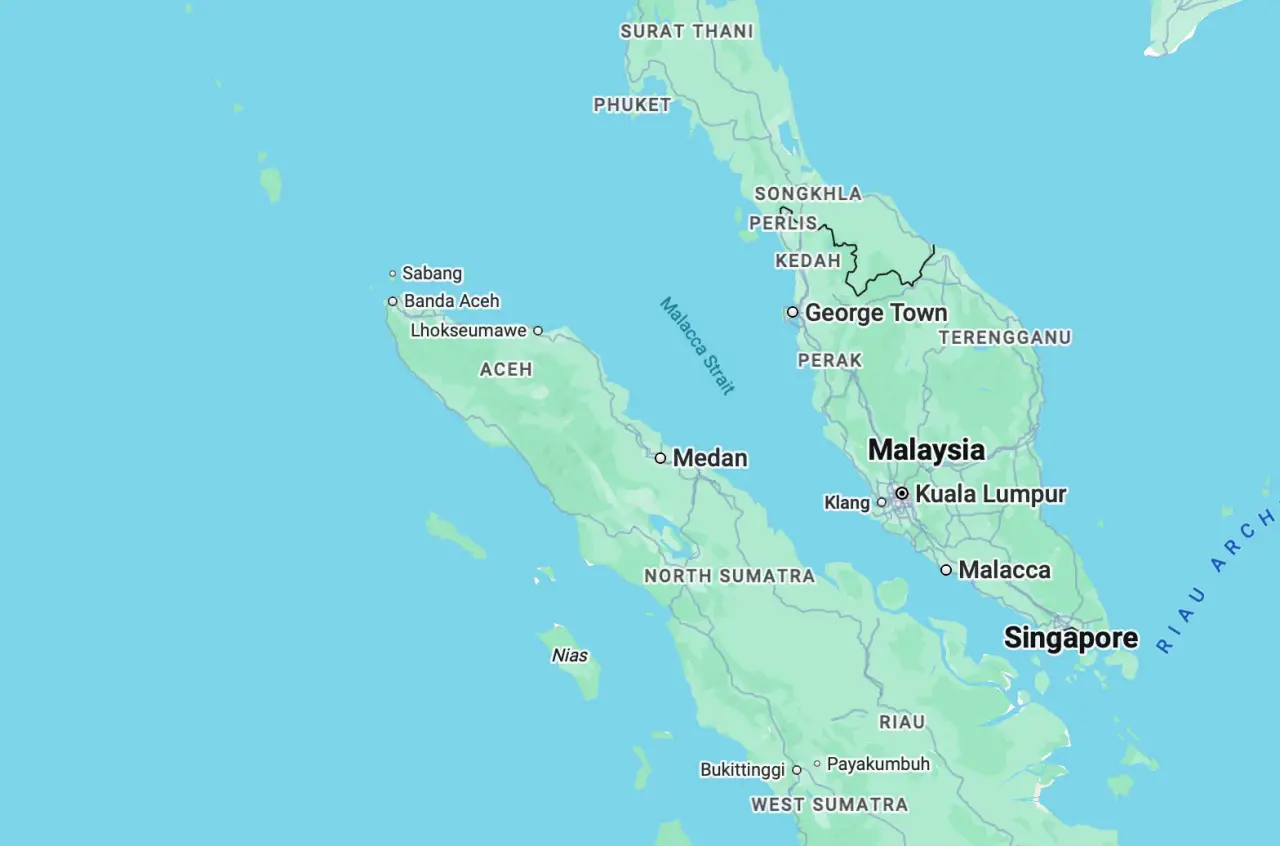
For years, the Strait has been a hotbed of piracy and attacks on merchant vessels. Last year saw criminal attacks spike to at least 104, but these have fallen off in Q1 of this year, according to the ReCAAP Information Sharing Centre, an organisation established by regional governments to combat piracy.
The narrow and congested waterway has been strategically important to Beijing, with around 75% of China’s seaborne crude oil imports passing through it from the Middle East and Africa, data from tanker tracker Vortexa shows.
The Iran crisis has crystallised long-standing worries about how chokepoints such as Malacca could be affected if a conflict breaks out in the South China Sea or the Taiwan Strait, where another 21% of global maritime trade transits, according to CSIS.
Comments from government ministers
Indonesian Finance Minister Purbaya Yudhi Sadewa made waves on this week by openly musing about ways countries could impose tolls on ships as a way to monetise the Strait, before noting that such an arrangement is not possible.
When asked about the risks of tolls or other restrictions on movement in the strait, Singapore Foreign Affairs Minister Vivian Balakrishnan told CNBC that the nations along the strait share a strategic interest to keep it open, and have agreed not to collect tolls.
He also said Singapore had assured the United States and China that the right of passage was guaranteed for all and it would not participate in any efforts to block the strait or impose tolls.
But if Singapore is forced to choose between China or the United States, Balakrishnan said that Singapore will “refuse to choose. “We are acting in our own long-aterm national interest. We will be useful, but we will not be made use of,” he added.
Malaysian Foreign Minister Mohamad Hasan also said that no unilateral decisions can be made about the Strait and that Malaysia is on the same page with Singapore, Indonesia and Thailand, and they conduct joint patrols to ensure the waterway remains open.